Welcome to Hebei Luban Metal Structure Co., LTD.



The Future of Living: Exploring Metal Container Houses
Release Time:
Jul 07,2026
Metal container houses have emerged as one of the most innovative housing solutions in recent years. Utilizing repurposed shipping containers, these homes offer a sustainable and cost-effective alternative to traditional construction methods. As the housing industry increasingly focuses on sustainability and efficiency, metal container houses present an intriguing option for both homeowners and bu
One of the key benefits of metal container houses is their environmental impact. By repurposing shipping containers that would otherwise contribute to waste, builders can significantly reduce the carbon footprint associated with new construction. This form of housing often requires less energy to produce and can be designed to include energy-efficient features such as solar panels and rainwater harvesting systems. As sustainability becomes a priority for many, metal container houses align perfectly with these values.
In terms of cost, metal container houses can be a more budget-friendly option than traditional homes. The base structure is often much cheaper than conventional building materials, allowing homeowners to allocate their budgets towards customizations and high-quality finishes. Additionally, due to their modular nature, these homes can be constructed quickly, cutting down on labor costs and time spent on-site. This efficiency can be particularly appealing for first-time homeowners or those looking for affordable housing solutions.
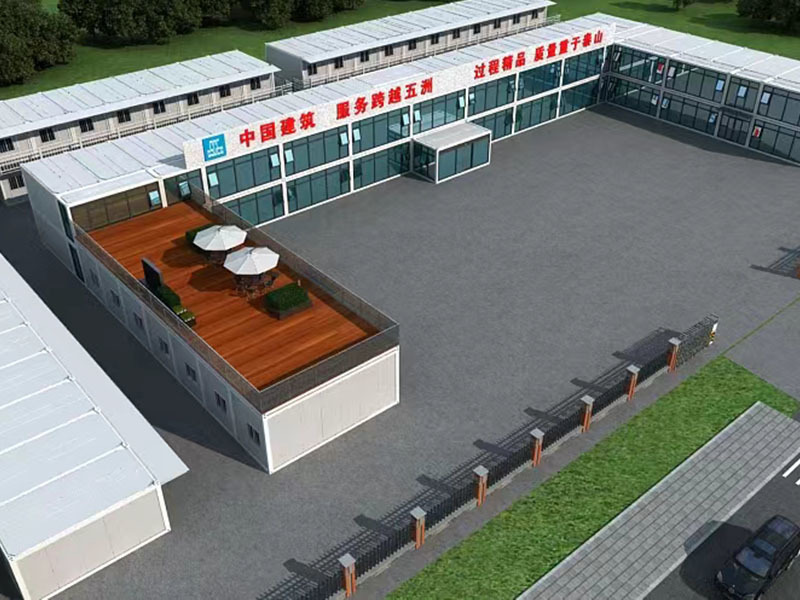
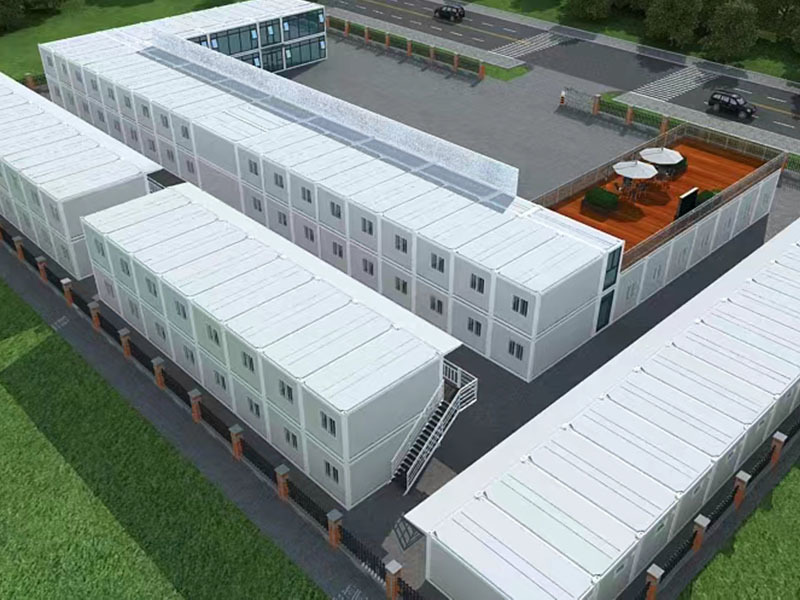
The design possibilities for metal container houses are virtually limitless. Architects and designers have embraced the unique shape of shipping containers to create eye-catching and functional living spaces. These homes can be stacked, combined, and transformed into multi-story structures, allowing for innovative floor plans and creative uses of space. The industrial aesthetic of metal containers can also be enhanced with various finishes, landscaping, and interior design elements, enabling homeowners to express their personal style.
However, it is important to consider some challenges associated with metal container houses. Insulation is a critical aspect of building with containers, as metal can conduct heat and cold more than traditional materials. Proper insulation techniques are essential to ensure comfort throughout the seasons. Additionally, local building codes and zoning regulations may impose restrictions on container homes, so it is vital to conduct thorough research before embarking on such a project.
In summary, metal container houses represent a forward-thinking approach to modern living, combining sustainability, affordability, and design flexibility. As the housing landscape continues to evolve, these unique structures are likely to gain popularity among environmentally conscious individuals and innovative builders alike. Whether you are considering a metal container home for personal use or as an investment opportunity, understanding the benefits and challenges can help guide your decision-making process, making it a worthwhile venture in the ever-changing world of architecture and design.
Key words:
What Else Might You Learn?



Can't find the service you're looking for? Contact us!
To inquire about our products, please leave your email to us and we will contact you within 24 hours.
Add
Wen 'an County, Langfang City, Hebei Province, China