Welcome to Hebei Luban Metal Structure Co., LTD.



Transformative Living: A Comprehensive Guide to Building a Container Home
Release Time:
Jun 27,2026
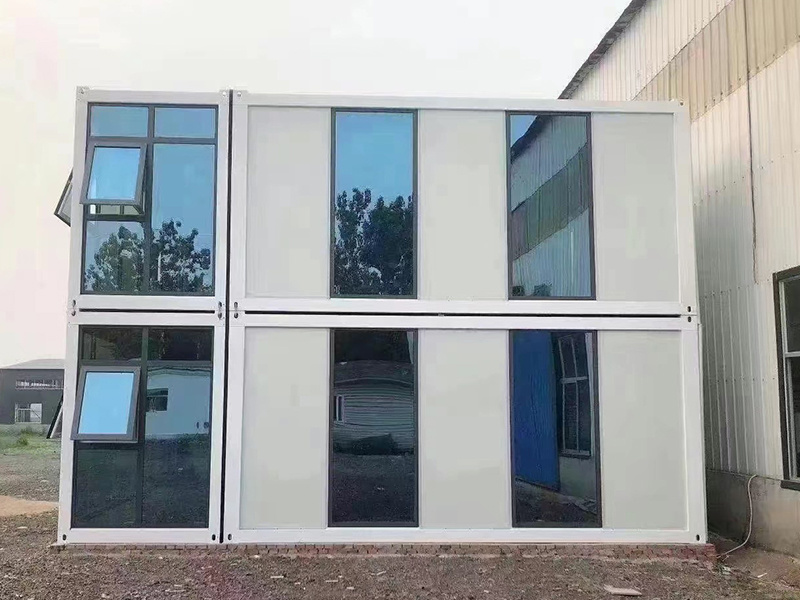
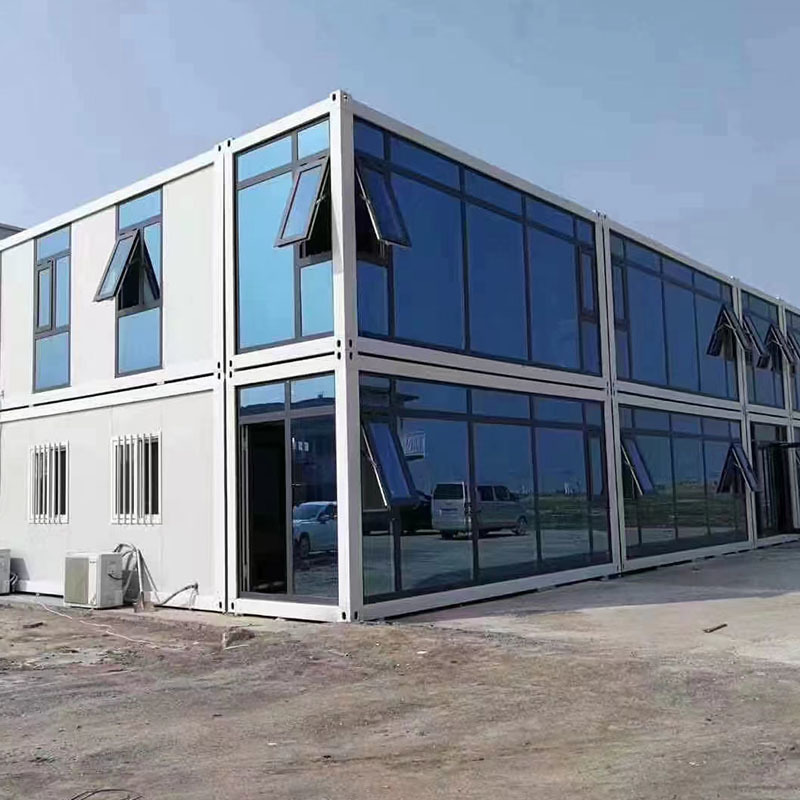
Building a container home has gained immense popularity over the last few years, driven by the desire for sustainable living, cost-efficient construction, and unique architectural designs. These homes, made from repurposed shipping containers, offer a flexible and customizable housing solution that aligns with modern environmental consciousness. If you are considering building a container home, th
**1. Planning and Design:**
Before diving into construction, thorough planning is essential. Start by assessing your needs, preferences, and the intended use of the space. Consider factors such as the number of occupants, lifestyle habits, and desired amenities. Sketching a rough floor plan can help visualize the layout. Container homes can be stacked or arranged in various configurations, allowing for creativity in design. Ensure that your plans comply with local building codes and zoning regulations, as these can significantly impact your project.
**2. Site Selection:**
The location of your container home is crucial. Look for a plot of land that offers accessibility to utilities like water, electricity, and sewage. Evaluate the terrain and climate of the area to determine any necessary preparations, such as foundation work or insulation needs. Container homes can be placed on a permanent foundation or designed for mobility, depending on your lifestyle and preferences.
**3. Insulation and Ventilation:**
One of the challenges of building a container home is managing temperature control. Containers are typically made of metal, which can become hot in the summer and cold in the winter. Investing in proper insulation materials, such as spray foam or rigid foam boards, is essential for maintaining comfortable indoor temperatures. Additionally, ensure adequate ventilation to prevent condensation and mold growth, particularly in humid environments.
**4. Sustainability:**
One of the most compelling reasons for building a container home is its sustainability aspect. Recycling shipping containers reduces waste and minimizes the need for new building materials. You can further enhance the eco-friendliness of your home by incorporating solar panels, rainwater harvesting systems, and energy-efficient appliances. Emphasizing sustainable practices not only benefits the environment but can also lead to long-term cost savings.
**5. Interior Finishing and Customization:**
Once the structural framework is complete, focus on the interior finishing. Container homes can be just as stylish and functional as traditional houses. Choose materials that reflect your personal style while ensuring durability and ease of maintenance. Consider open floor plans and multifunctional furniture to maximize space efficiency.
In conclusion, building a container home offers a unique opportunity to create a personalized and sustainable living space. By carefully planning your design, selecting the right site, focusing on insulation and ventilation, prioritizing sustainability, and customizing the interior, you can turn a simple shipping container into a comfortable and stylish home that meets your needs. With the right approach and resources, the journey to building a container home can be both rewarding and fulfilling.
Key words:
What Else Might You Learn?




Can't find the service you're looking for? Contact us!
To inquire about our products, please leave your email to us and we will contact you within 24 hours.
Add
Wen 'an County, Langfang City, Hebei Province, China