Welcome to Hebei Luban Metal Structure Co., LTD.



Why Container Houses Are the Future of Sustainable Living
Release Time:
Jul 02,2026
Why Container Houses Are the Future of Sustainable Living Container houses represent a transformative shift in the way we approach housing and sustainable living. With increasing concerns about environmental impact, rising housing costs, and the need for innovative solutions to urban challenges, container homes have emerged as a practical and viable alternative. This comprehensive article delves i
Why Container Houses Are the Future of Sustainable Living
Container houses represent a transformative shift in the way we approach housing and sustainable living. With increasing concerns about environmental impact, rising housing costs, and the need for innovative solutions to urban challenges, container homes have emerged as a practical and viable alternative. This comprehensive article delves into the myriad reasons why container houses are not just a trend, but a cornerstone of future sustainable living.
Table of Contents
1. The Concept of Container Houses
2. Environmental Benefits of Container Homes
2.1 Reducing Waste and Recycling
2.2 Energy Efficiency in Design
3. Cost-Effectiveness of Container Construction
3.1 Affordability Compared to Traditional Homes
3.2 Quick Construction Times
4. Versatility and Customization Options
4.1 Diverse Design Possibilities
4.2 Use in Various Settings
5. Container Houses and Urban Development
5.1 Addressing Housing Shortages
5.2 Community Revitalization
6. Challenges and Considerations
6.1 Zoning and Building Regulations
6.2 Insulation and Climate Control
7. Real-World Examples of Container Homes
8. Conclusion
9. FAQs
1. The Concept of Container Houses
Container houses are constructed using repurposed shipping containers, a solution born from the need for affordable housing options and sustainable construction practices. At their core, these homes are meant to be both functional and adaptable. The use of containers makes it possible to create unique living spaces that can be tailored to individual needs while minimizing environmental footprints. As urbanization continues to rise, the need for innovative housing solutions becomes increasingly crucial.
2. Environmental Benefits of Container Homes
Container houses contribute significantly to sustainability by capitalizing on existing materials. This not only reduces the demand for new resources but also promotes recycling and waste reduction.
2.1 Reducing Waste and Recycling
Utilizing shipping containers, which would otherwise languish in ports or landfills, helps reduce waste. Each container repurposed into a home represents a step toward a more sustainable future. This innovative approach to housing helps combat the construction waste crisis, contributing to a circular economy.
2.2 Energy Efficiency in Design
Container homes can be designed to maximize energy efficiency. With proper insulation and the integration of renewable energy sources like solar panels, these homes can significantly reduce energy consumption. Incorporating energy-efficient appliances further enhances their sustainability, making them a smart choice for eco-conscious individuals.
3. Cost-Effectiveness of Container Construction
One of the most compelling aspects of container houses is their cost-effectiveness. As housing prices soar in many urban areas, container homes provide an affordable alternative without compromising quality.
3.1 Affordability Compared to Traditional Homes
Building a container house is often significantly cheaper than constructing a traditional home. The cost savings stem from lower material expenses, reduced construction times, and the ability to utilize second-hand containers. This affordability makes homeownership achievable for many who might otherwise be priced out of the market.
3.2 Quick Construction Times
Container homes can be built in a fraction of the time it takes to construct traditional houses. With pre-fabricated components and a rapid assembly process, homeowners can move into their new spaces much sooner. This speed not only benefits individual buyers but also addresses broader housing demands in communities.
4. Versatility and Customization Options
Container homes offer unparalleled versatility in design and functionality. Homeowners can customize their spaces to suit their preferences and needs.
4.1 Diverse Design Possibilities
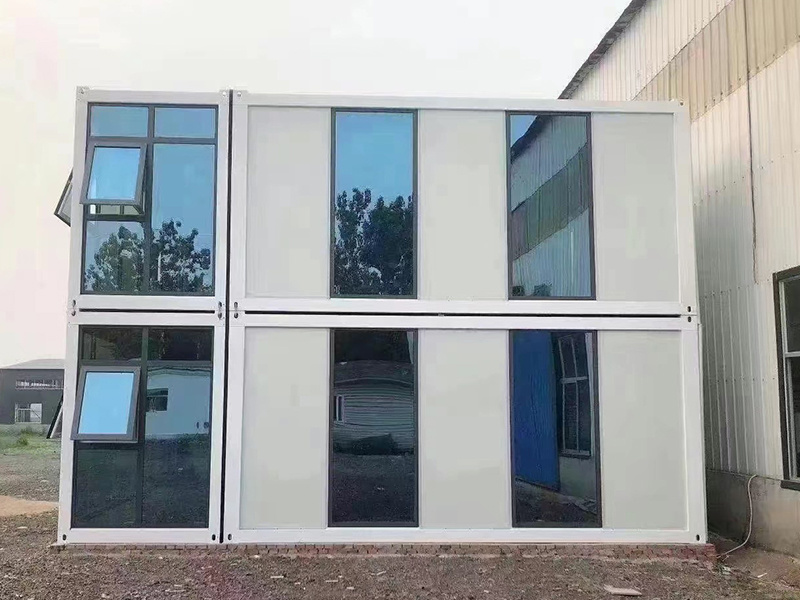
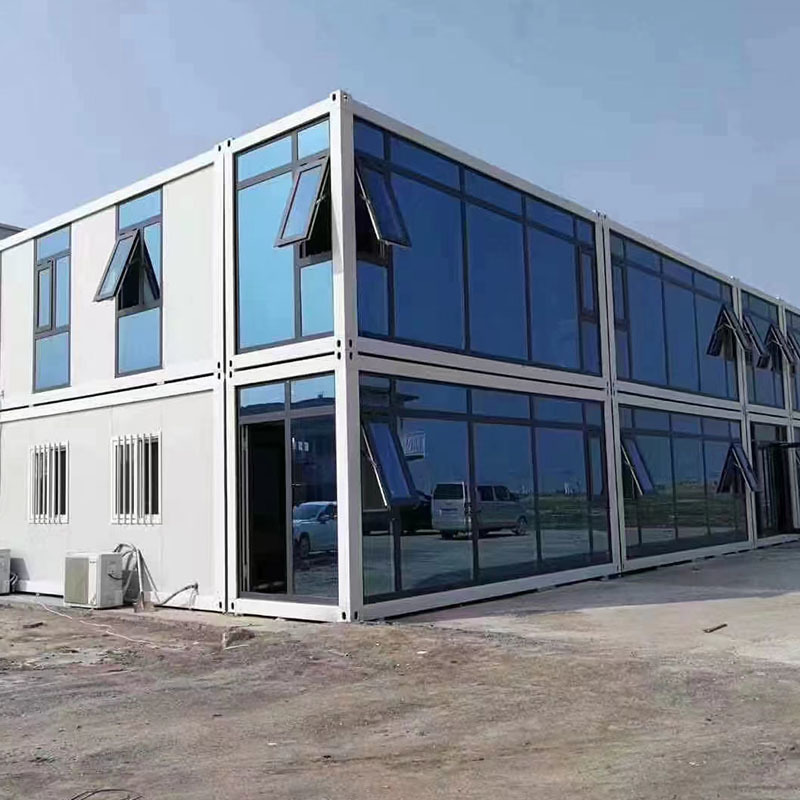
Container houses can be stacked, arranged, and modified to create a wide array of architectural styles. This flexibility allows for creative expression, making it easy to achieve everything from minimalist designs to elaborate multi-unit structures. The possibilities are virtually limitless, appealing to diverse tastes and lifestyles.
4.2 Use in Various Settings
Whether in urban centers, suburban neighborhoods, or rural landscapes, container homes adapt seamlessly to any environment. Their portability allows for relocation, making them suitable for various scenarios, including vacation homes, emergency shelters, and permanent residences.
5. Container Houses and Urban Development
As cities continue to grow, container houses play a pivotal role in sustainable urban development.
5.1 Addressing Housing Shortages
The demand for affordable housing has never been greater, particularly in urban areas. Container homes provide a practical solution to housing shortages, offering quick and affordable options for those in need. By utilizing vacant lots or underutilized spaces, container homes can help revitalize neighborhoods while providing much-needed housing.
5.2 Community Revitalization
Incorporating container houses into urban development plans can foster community engagement and social interaction. By creating vibrant, mixed-use spaces that integrate residential, commercial, and recreational areas, container homes can help revitalize declining neighborhoods and promote a sense of community.
6. Challenges and Considerations
While the benefits of container homes are compelling, potential homeowners must consider various challenges.
6.1 Zoning and Building Regulations
Navigating local zoning laws and building regulations can be a significant hurdle for container home enthusiasts. Each municipality may have different rules regarding the use of shipping containers as residences, necessitating thorough research and planning.
6.2 Insulation and Climate Control
Shipping containers are made of metal, which can lead to extreme temperatures inside. Proper insulation is crucial to ensure comfort and energy efficiency. Homeowners must invest in high-quality insulation materials and consider climate control systems to maintain a livable environment year-round.
7. Real-World Examples of Container Homes
Across the globe, innovative container homes have become beacons of sustainable living. From sleek modern designs in urban centers to rustic retreats in nature, these homes showcase the versatility and appeal of container construction. Notable projects include:
- The **Container House** in Mexico City, designed for minimal environmental impact while maximizing aesthetic appeal.
- The **Kylie’s Container Home** in Australia, which features a stunning interior and integrates solar technology for energy efficiency.
- Various **tiny home communities** that utilize shipping containers to address affordable housing shortages.
These examples illustrate the potential of container homes to offer sustainable living solutions across various contexts.
8. Conclusion
Container houses stand at the intersection of sustainability, affordability, and innovative design. As urban populations rise and environmental concerns deepen, these homes offer a practical solution that meets the needs of contemporary society. By repurposing shipping containers, we can create livable, eco-friendly spaces that contribute to a more sustainable future. Embracing this trend not only benefits individual homeowners but also helps to address larger issues related to housing shortages and urban revitalization. With ongoing advancements in design and construction practices, container homes are poised to play a central role in the future of sustainable living.
9. FAQs
1. What is a container house made from?
Container houses are constructed from repurposed shipping containers, typically made of steel.
2. Are container houses safe?
Yes, when built to code and properly insulated, container houses are safe and durable structures.
3. How much do container houses cost?
The cost varies depending on location, design, and customization but is generally lower than traditional homes.
4. Can container homes be relocated?
Yes, one of the advantages of container homes is their portability; they can be moved to different locations.
5. What are the energy efficiency options for container houses?
Container homes can be equipped with solar panels, energy-efficient appliances, and high-quality insulation to maximize energy efficiency.
Key words:
What Else Might You Learn?




Can't find the service you're looking for? Contact us!
To inquire about our products, please leave your email to us and we will contact you within 24 hours.
Add
Wen 'an County, Langfang City, Hebei Province, China