Welcome to Hebei Luban Metal Structure Co., LTD.



Exploring Temporary Construction Housing: A Practical Solution for Projects
Release Time:
Feb 04,2026
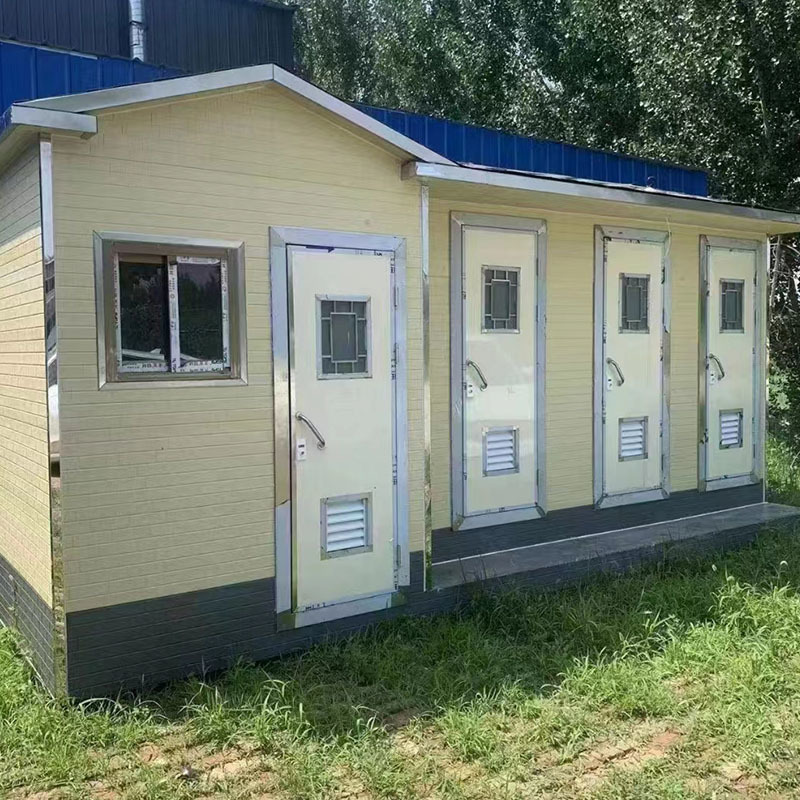
Temporary construction housing refers to structures that are designed to provide shelter for workers and project personnel during the duration of a construction project. These housing solutions are typically prefabricated, modular, or portable, allowing for quick assembly and disassembly, making them ideal for short-term use. One of the key advantages of temporary construction housing is its cost-
One of the key advantages of temporary construction housing is its cost-effectiveness. By providing on-site accommodation, construction companies can reduce transportation costs for workers who would otherwise need to commute from distant locations. This not only saves money but also enhances productivity, as workers can easily access the site without the stress of long daily commutes.
In addition to cost savings, temporary construction housing also promotes safety and efficiency. Workers who reside on-site can quickly respond to emergencies or changes in project timelines, ensuring that work continues uninterrupted. Furthermore, having a dedicated living space can help improve workers' morale and well-being, as they can rest and recharge without the pressures of travel.
Temporary construction housing comes in various forms, including mobile trailers, modular units, and even containers that can be repurposed into living spaces. Each type offers its own set of benefits, such as ease of transport, scalability, and adaptability to different site conditions. For instance, modular units can be configured to create multi-room accommodations, complete with essential amenities like kitchen facilities and bathrooms, making them a comfortable option for long-term projects.
Moreover, these housing solutions are designed with modern energy efficiency standards in mind. Many temporary constructions can be equipped with energy-efficient appliances and sustainable materials, contributing to a reduced environmental footprint. This approach aligns with the growing demand for sustainable practices within the construction industry, showcasing a commitment to eco-friendly operations.
As the construction industry continues to evolve, the need for adaptable and practical solutions like temporary construction housing is becoming increasingly important. Whether it's for large infrastructure projects, remote locations, or disaster relief efforts, these housing options provide flexibility and support for a wide range of construction needs.
In conclusion, temporary construction housing serves as an invaluable resource in the construction sector, offering various benefits such as cost savings, enhanced safety, and improved worker satisfaction. As construction companies look for innovative ways to optimize their operations, investing in temporary housing solutions can lead to more efficient project execution and a healthier work environment.
Key words:
What Else Might You Learn?




Can't find the service you're looking for? Contact us!
To inquire about our products, please leave your email to us and we will contact you within 24 hours.
Add
Wen 'an County, Langfang City, Hebei Province, China