Welcome to Hebei Luban Metal Structure Co., LTD.



Innovative Sustainability: The Environmental Benefits of Container Houses
Release Time:
Mar 21,2026
Innovative Sustainability: The Environmental Benefits of Container Houses Table of Contents 1. Introduction to Container Houses 2. What Are Container Houses? 3. The Environmental Sustainability of Container Homes 4. Key Benefits of Container Houses 4.1 Reduced Carbon Footprint 4.2 Resource Efficiency 4.3 Waste Reduction 4.4
Innovative Sustainability: The Environmental Benefits of Container Houses
Table of Contents
- 1. Introduction to Container Houses
- 2. What Are Container Houses?
- 3. The Environmental Sustainability of Container Homes
- 4. Key Benefits of Container Houses
- 5. Design Flexibility and Aesthetic Appeal
- 6. Container Houses in Urban Settings
- 7. Challenges and Solutions in Container Home Construction
- 8. The Future of Container Housing
- 9. Conclusion
- 10. Frequently Asked Questions
1. Introduction to Container Houses
In recent years, the architectural landscape has seen a significant shift towards more sustainable living practices. Among these innovations, **container houses** have emerged as a front-runner in the quest for eco-friendly housing solutions. This article delves into the various environmental benefits of container houses, exploring how they contribute to sustainability and the overall reduction of carbon footprints. Container homes not only present a viable housing alternative but also embody a lifestyle choice that emphasizes minimalism and environmental consciousness.
2. What Are Container Houses?
Container houses are constructed from repurposed shipping containers, which are often discarded after their initial use. These steel boxes provide a sturdy and reliable basis for home construction. Their modular nature allows for versatile designs, making them suitable for various uses, including single-family homes, multi-family units, and even commercial spaces.
The growing popularity of container housing is attributed to its affordability, rapid construction time, and the potential for innovative design. Moreover, the use of shipping containers aligns with the principles of sustainability, as it promotes **recycling** and **upcycling** of materials that would otherwise contribute to waste.
3. The Environmental Sustainability of Container Homes
Container homes exemplify **environmental sustainability** through their design and construction processes. The shift towards using shipping containers represents a broader movement towards minimizing waste and enhancing ecological responsibility in the construction industry. By repurposing materials, container houses are a testament to innovative sustainability.
These containers offer significant advantages over traditional building materials, particularly in terms of their environmental impact. The use of pre-existing structures reduces the demand for new resources, conserves energy, and mitigates the environmental consequences associated with the manufacturing of conventional building materials.
4. Key Benefits of Container Houses
Container houses offer a range of benefits that contribute to their status as a sustainable housing option. Below, we explore some of the key advantages:
4.1 Reduced Carbon Footprint
One of the most significant environmental benefits of container houses is their **reduced carbon footprint**. The process of manufacturing traditional building materials—like concrete, wood, and brick—requires significant energy and natural resources. In contrast, constructing homes from shipping containers minimizes this impact, as it reuses existing structures rather than producing new materials.
Moreover, the ability to create energy-efficient designs further reduces the overall environmental impact of container houses. Incorporating features such as solar panels, high-efficiency insulation, and sustainable landscaping can enable homeowners to live off the grid, further decreasing their reliance on fossil fuels.
4.2 Resource Efficiency
Container houses exemplify **resource efficiency** through their smart design and material use. These homes often require fewer resources to build due to their modular nature, which allows for rapid assembly and reduced construction waste. Additionally, the compact size of container homes encourages minimalism, prompting occupants to prioritize essential items and reduce overall consumption.
The efficient use of space also means that container houses can be placed on smaller plots of land, which conserves more extensive areas for natural habitats and green spaces.
4.3 Waste Reduction
Incorporating **waste reduction** strategies into container house design further enhances their sustainability. By repurposing shipping containers that would otherwise be left abandoned, container houses address the issue of urban blight and waste in a practical manner.
Furthermore, many container houses utilize reclaimed materials for interior design and landscaping, effectively minimizing waste. This practice not only reduces the overall ecological footprint of building but also showcases innovative interior design that emphasizes sustainability.
4.4 Energy Efficiency
**Energy efficiency** is another hallmark of container houses. With the right design choices, these homes can significantly reduce energy consumption. High-quality insulation and strategically placed windows can help maintain comfortable temperatures year-round, minimizing the need for heating and cooling systems.
In addition, many container homes are equipped with renewable energy sources like solar panels, enabling homeowners to generate their own energy and further reduce reliance on non-renewable energy sources.
5. Design Flexibility and Aesthetic Appeal
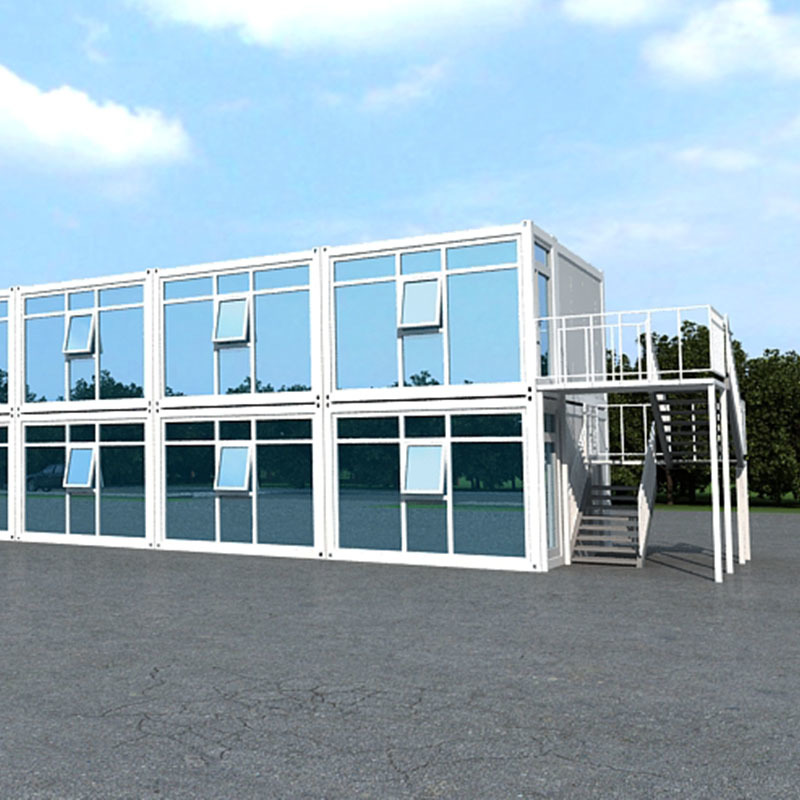
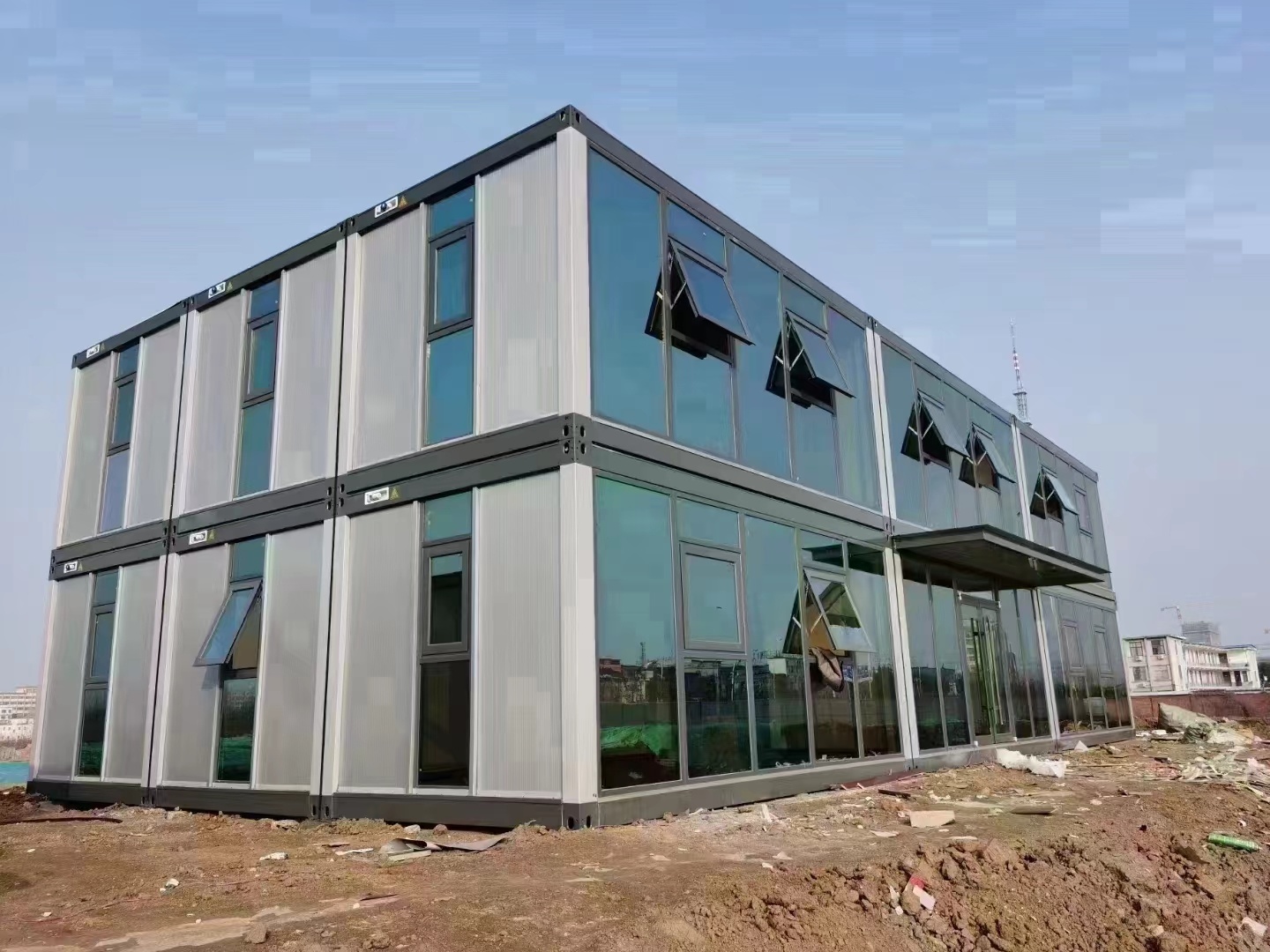
The **design flexibility** of container houses is one of their most appealing aspects. Homeowners can customize these structures in various ways, from stacking multiple containers to creating open-concept living spaces. The adaptability of shipping containers allows for unique architectural designs that can fit into different environments and personal preferences.
Moreover, the aesthetic appeal of container houses often lies in their modern industrial look, which can create striking contrasts against natural landscapes. Homeowners can choose to incorporate eco-friendly materials and finishes, further enhancing both sustainability and visual appeal.
6. Container Houses in Urban Settings
Container houses are particularly well-suited for **urban settings**, where space is limited and the need for sustainable housing solutions is urgent. They can be placed on underutilized lots, vacant land, or even integrated into existing neighborhoods without disrupting the overall aesthetic.
This adaptability not only addresses housing shortages in cities but also promotes community development. Container housing projects can foster vibrant neighborhoods, as they encourage creative living solutions and community engagement.
7. Challenges and Solutions in Container Home Construction
While container houses offer numerous benefits, they are not without challenges. One significant concern is insulation, as shipping containers can become extremely hot or cold depending on the weather. **Proper insulation** is crucial to ensure a comfortable living environment.
Another challenge is the need for compliance with local building codes and regulations, which can vary significantly. Collaborating with experienced architects and builders who specialize in container homes can help navigate these complexities.
By addressing these challenges head-on, builders and homeowners can create successful container housing projects that remain aligned with sustainable principles.
8. The Future of Container Housing
The future of **container housing** looks bright as more people recognize the benefits of sustainable living. As technology advances, the construction process for container homes will become even more efficient, with innovations in pre-fabrication and modular design.
Moreover, with the increasing demand for affordable housing, container houses are likely to become a more prominent solution. Policymakers and urban planners will need to embrace this trend, promoting sustainable housing initiatives that incorporate container homes.
As society shifts towards prioritizing ecological responsibility, container houses will play a crucial role in shaping a sustainable future.
9. Conclusion
Container houses represent a groundbreaking approach to sustainable living, offering numerous environmental benefits that align with contemporary ecological goals. From their reduced carbon footprint and resource efficiency to their aesthetic appeal and adaptability, container homes are paving the way for a greener future in architecture. As more individuals and communities recognize the value of innovative sustainability, container houses will undoubtedly become a cornerstone of environmentally conscious living.
10. Frequently Asked Questions
1. What are the main advantages of container houses?
Container houses offer reduced carbon footprints, resource efficiency, waste reduction, and energy efficiency, making them an excellent choice for sustainable living.
2. How do container houses contribute to sustainability?
By repurposing shipping containers and minimizing new material use, container houses help reduce construction waste and lower overall environmental impacts.
3. Are container homes suitable for urban environments?
Yes, container homes are highly adaptable and can be placed on smaller lots, making them a practical solution for housing shortages in urban areas.
4. What challenges do container houses face?
Common challenges include insulation issues and compliance with local building codes. Collaborating with experienced professionals can help overcome these hurdles.
5. What is the future of container housing?
The future is promising, as advancements in technology and an increasing focus on sustainability will likely lead to more widespread acceptance and innovation within container housing.
Key words:
What Else Might You Learn?





Can't find the service you're looking for? Contact us!
To inquire about our products, please leave your email to us and we will contact you within 24 hours.
Add
Wen 'an County, Langfang City, Hebei Province, China