Welcome to Hebei Luban Metal Structure Co., LTD.



Discover the Versatility and Benefits of Mobile Container Houses
Release Time:
Mar 06,2026
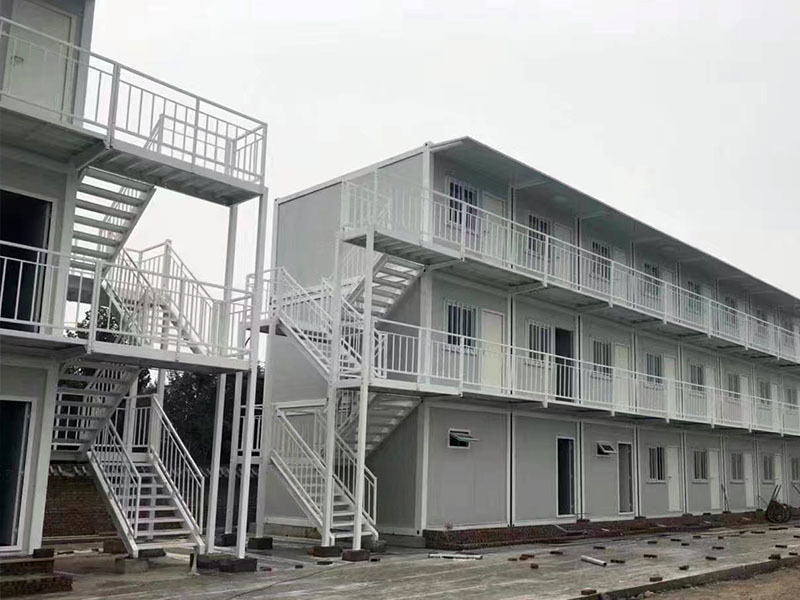
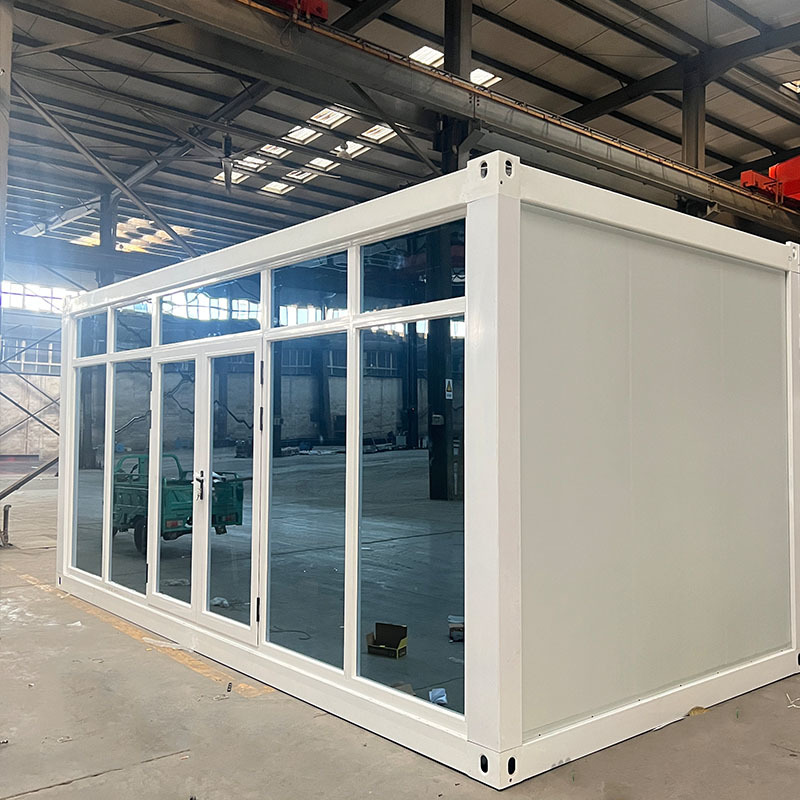
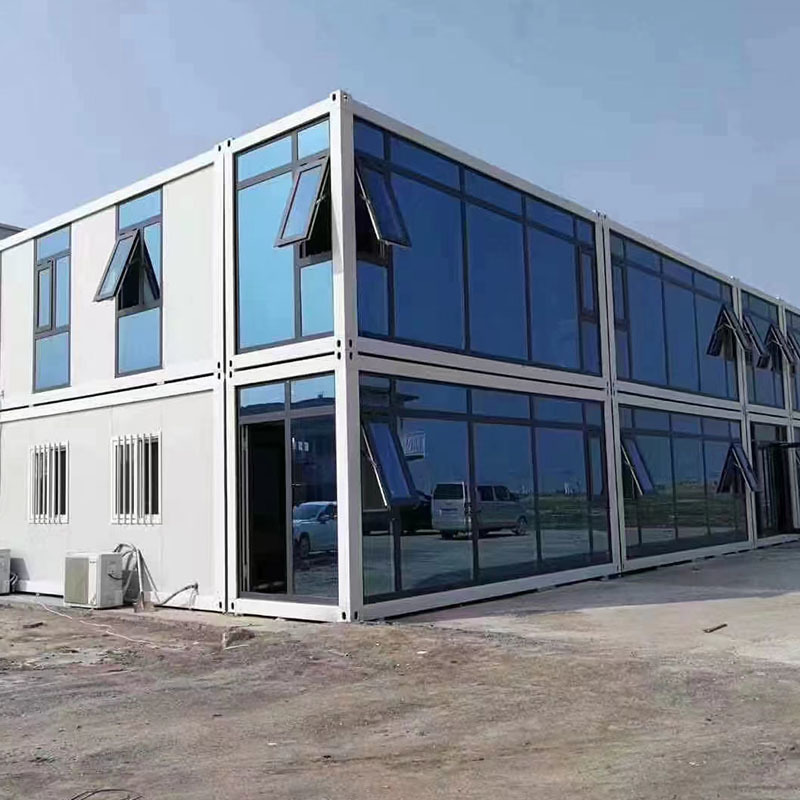
Mobile container houses are an emerging trend in the construction industry that draws upon the use of repurposed shipping containers. These structures offer a unique combination of practicality, affordability, and environmental sustainability. As the world becomes increasingly focused on efficient living spaces, mobile container houses are gaining traction as a viable housing option. One of the pr
One of the primary advantages of mobile container houses is their mobility. Unlike traditional homes, these structures can be easily transported from one location to another. This makes them an attractive option for those who may need to relocate frequently or wish to explore various living environments. Whether you want to set up a cozy retreat in the woods or a miniature home by the beach, mobile container houses provide the flexibility to do so.
In addition to their portability, mobile container houses are also highly customizable. With a variety of design options available, homeowners can tailor their container houses to meet their specific needs and preferences. From modern aesthetics to rustic finishes, the possibilities are virtually limitless. Interior layouts can be adjusted to create functional living spaces, integrating amenities such as kitchens, bathrooms, and sleeping areas, ensuring comfort and convenience.
Environmental concerns are increasingly shaping the way we build and live. Mobile container houses contribute to sustainability by repurposing materials that would otherwise go to waste. Shipping containers are designed to be durable and weather-resistant, making them an ideal foundation for eco-friendly homes. Furthermore, homeowners have the option to incorporate renewable energy solutions, such as solar panels, and utilize energy-efficient materials, further reducing their ecological footprint.
Affordability is another compelling factor driving interest in mobile container houses. While traditional construction can be costly and time-consuming, building with shipping containers often requires less investment and offers faster construction times. This affordability makes them an accessible option for first-time homeowners and those looking to downsize.
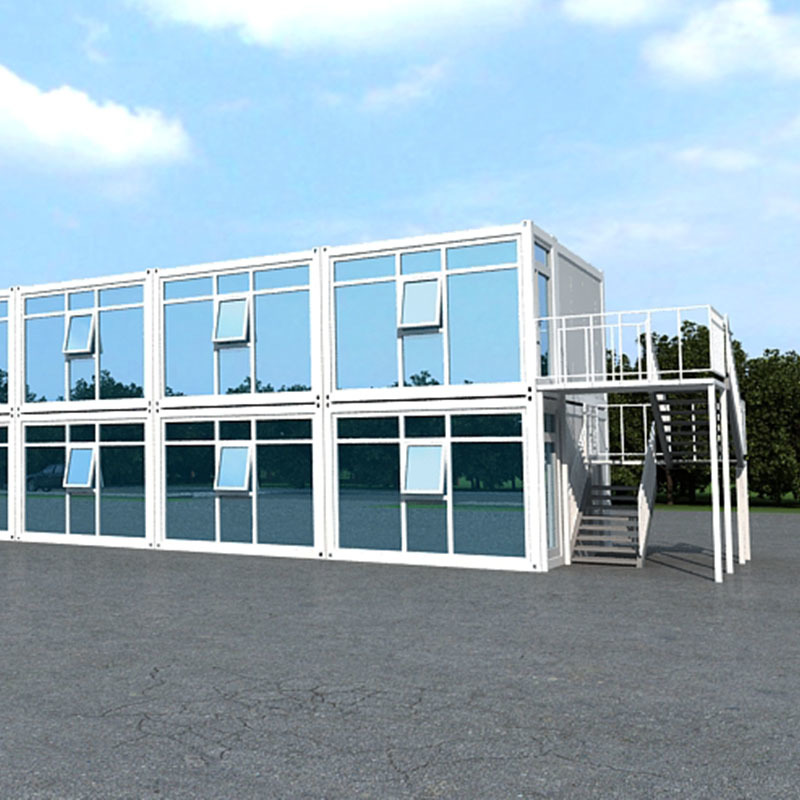
Moreover, mobile container houses can serve various purposes beyond just residential living. Many entrepreneurs are exploring the potential of container houses as innovative commercial spaces, such as pop-up shops, cafes, and offices. Their unique appearance and versatility attract attention, creating a distinctive atmosphere for businesses.
In summary, mobile container houses represent a forward-thinking approach to modern living. With their mobility, customization options, sustainability, and affordability, they provide a compelling alternative to traditional housing solutions. As society continues to explore innovative ways to meet its housing needs, mobile container houses are poised to play a significant role in shaping the future of construction and architecture. Embracing this trend not only offers practical benefits but also aligns with a growing commitment to environmentally responsible living.
Key words:
What Else Might You Learn?



Can't find the service you're looking for? Contact us!
To inquire about our products, please leave your email to us and we will contact you within 24 hours.
Add
Wen 'an County, Langfang City, Hebei Province, China