Welcome to Hebei Luban Metal Structure Co., LTD.



Exploring the Viability of Container Homes: A Modern Solution for Sustainable Living
Release Time:
Mar 16,2026
Container homes, constructed from repurposed shipping containers, are gaining traction as an alternative housing solution. These structures not only offer a cost-effective way to build but also align with the growing demand for environmentally friendly living options. Here are several key points to consider when exploring the viability of container homes in your projects. **1. Sustainability and E
**1. Sustainability and Environmental Impact**
One of the primary advantages of container homes is their sustainability. By repurposing shipping containers, builders can significantly reduce waste associated with traditional construction materials. This approach aligns with modern environmental practices, appealing to eco-conscious consumers and investors. Furthermore, container homes can be designed to incorporate renewable energy sources, such as solar panels, enhancing their green credentials.
**2. Cost-Effectiveness**
Container homes often come with lower upfront costs compared to traditional building methods. The price of used shipping containers can be quite affordable, and the construction process tends to be more streamlined. However, it's essential to account for additional expenses, such as insulation, plumbing, and electrical work. For professionals in the construction industry, understanding these costs can assist in providing accurate estimates and fostering transparent communication with clients.
**3. Versatility in Design**
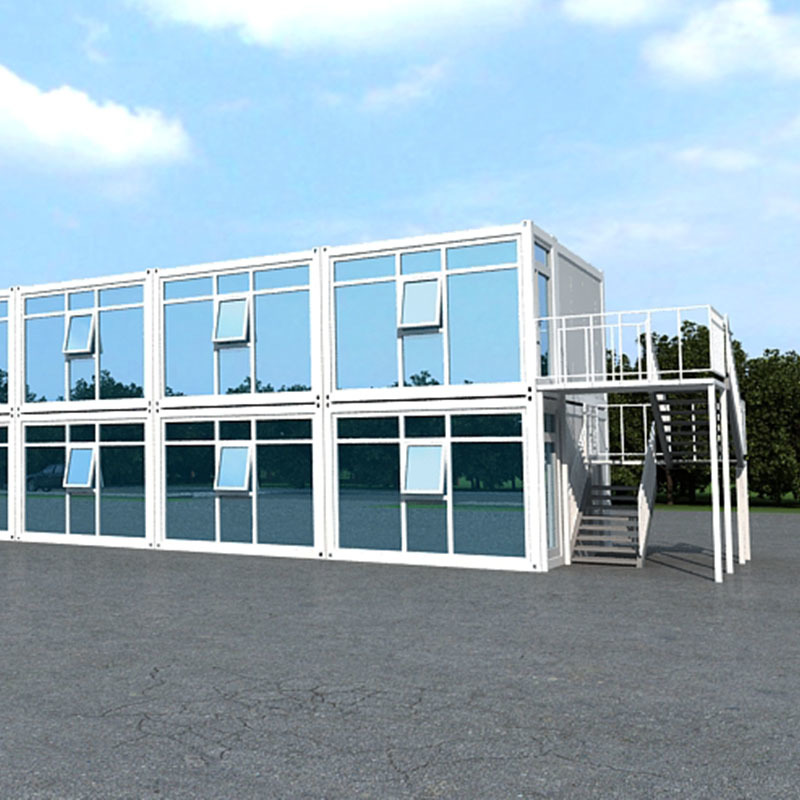
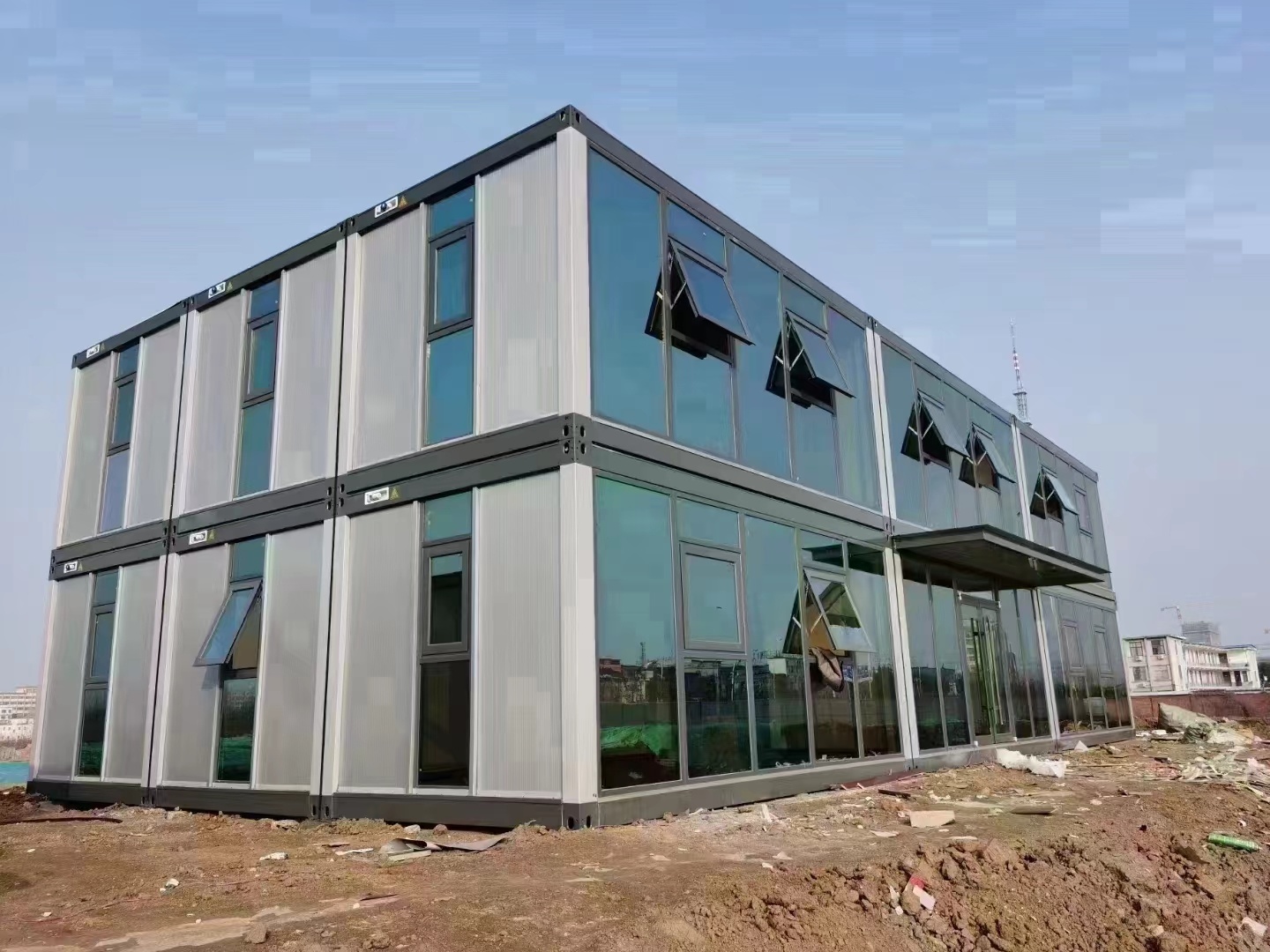
Container homes offer incredible design flexibility. They can be stacked, arranged, or modified to create various layouts, making them suitable for diverse residential needs. Architects and designers have the freedom to create unique spaces that can reflect the client's personality and lifestyle. This adaptability also extends to commercial applications, where container structures can be utilized as pop-up shops, offices, or community hubs.
**4. Building Codes and Regulations**
Before embarking on a container home project, it is critical to understand local building codes and zoning laws. Regulations can vary significantly depending on the location, affecting the design and placement of container structures. Engaging with local authorities early in the planning process can help navigate these complexities and ensure compliance.
**5. Market Demand and Opportunities**
As interest in alternative housing solutions grows, container homes represent a lucrative market opportunity. Professionals in the construction and building materials industry should keep an eye on this trend, as demand for sustainable, affordable housing options continues to rise. Exploring partnerships with container suppliers or investing in training for sustainable building practices can enhance your competitive edge.
In conclusion, container homes provide a compelling option for both sustainable living and innovative design. As industry professionals, understanding the advantages and challenges associated with container architecture can position you to better serve clients seeking modern, eco-friendly housing solutions. Embracing this trend not only benefits your business but also contributes positively to the environment and community.
Key words:
What Else Might You Learn?





Can't find the service you're looking for? Contact us!
To inquire about our products, please leave your email to us and we will contact you within 24 hours.
Add
Wen 'an County, Langfang City, Hebei Province, China