Welcome to Hebei Luban Metal Structure Co., LTD.



Exploring the Inside of Container Houses: Innovative Living Solutions
Release Time:
Jul 17,2026
Container houses are gaining traction as a creative alternative in the housing market, primarily due to their versatility, sustainability, and cost-effectiveness. Made from repurposed shipping containers, these homes are not only environmentally friendly but also provide a unique aesthetic that can be tailored to fit various lifestyles. One of the most appealing aspects of container houses is thei
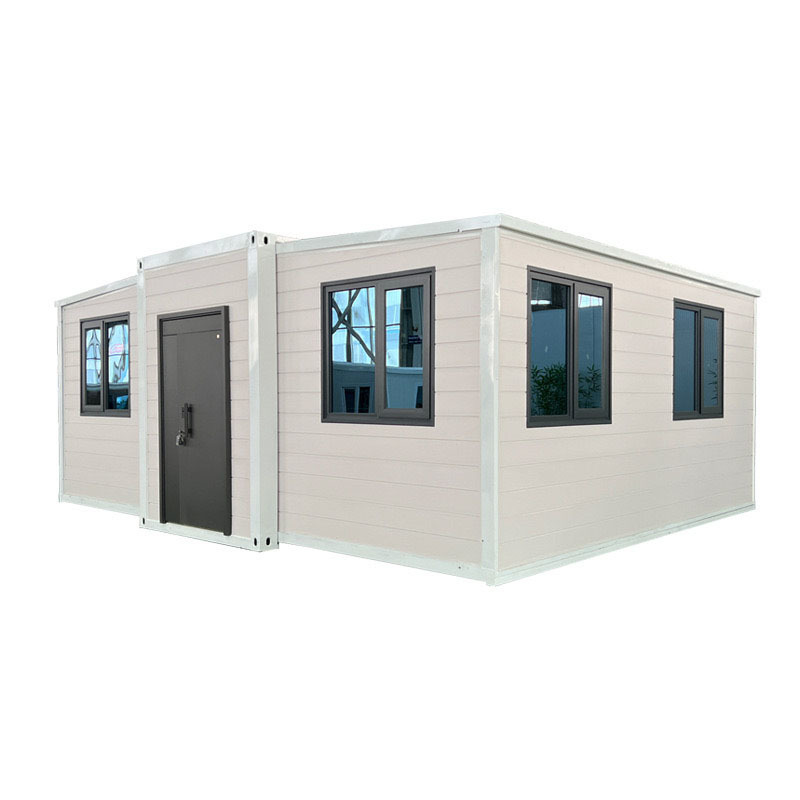
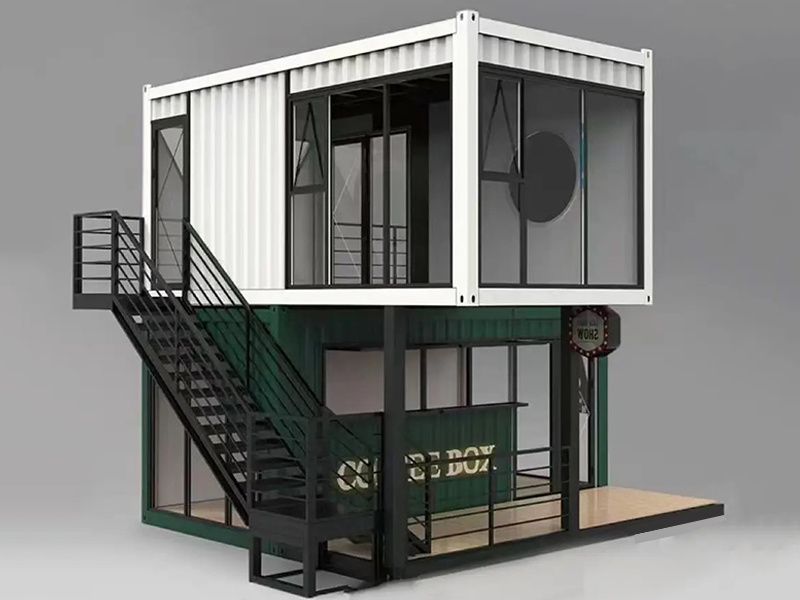
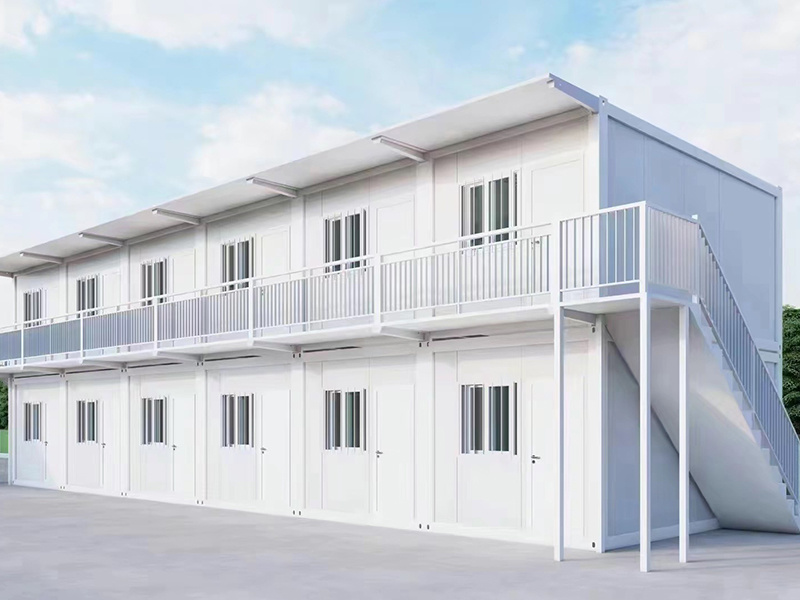
One of the most appealing aspects of container houses is their modular nature. Each container can serve as a separate living space or be combined to create larger structures. This design flexibility allows homeowners to customize their living areas according to personal preferences. For instance, a couple may opt for a single container home, while a family might choose to combine several containers to create a multi-bedroom layout. The inside of a container house can be designed to maximize space efficiency, with open-concept living areas that promote a sense of spaciousness despite their compact size.
Moreover, container houses can be adapted for different climates and environments. Insulation materials can be applied to regulate temperature, while large windows can be installed to enhance natural lighting and ventilation. Additionally, the use of sustainable building materials can further reduce the ecological footprint of these homes. Homeowners can incorporate energy-efficient appliances, solar panels, and rainwater harvesting systems to promote sustainability within their container houses.
The interior design of a container house often reflects a modern aesthetic, embracing a minimalist approach that emphasizes functionality. Many container homeowners choose to highlight the industrial charm of the exposed metal walls, incorporating vibrant colors and textures to create a warm and inviting atmosphere. Modular furniture and clever storage solutions are frequently utilized to make the most of the limited square footage, allowing residents to enjoy stylish and practical living spaces.
In summary, the inside of container houses offers a wealth of opportunities for innovative living arrangements. These homes stand out not only for their unique design but also for their eco-friendliness and adaptability. As the demand for alternative housing solutions continues to grow, container houses are likely to become an increasingly popular choice for those looking to embrace a modern lifestyle while being mindful of their environmental impact. Whether you're considering building a container home or simply exploring architectural possibilities, understanding the potential of these structures can open up a world of creative living options.
Key words:
What Else Might You Learn?




Can't find the service you're looking for? Contact us!
To inquire about our products, please leave your email to us and we will contact you within 24 hours.
Add
Wen 'an County, Langfang City, Hebei Province, China