Welcome to Hebei Luban Metal Structure Co., LTD.



Why Steel Structure Homes Are the Future of Sustainable Housing
Release Time:
Jun 09,2026
Why Steel Structure Homes Are the Future of Sustainable Housing Table of Contents Introduction to Steel Structure Homes Key Benefits of Steel Structure Homes Sustainability in Steel Construction The Construction Process of Steel Homes Design Flexibility in Steel Structures Cost-Effectiveness and Value of Steel Homes Future Trends in Steel Structure Housing Case Stu
Why Steel Structure Homes Are the Future of Sustainable Housing
Table of Contents
- Introduction to Steel Structure Homes
- Key Benefits of Steel Structure Homes
- Sustainability in Steel Construction
- The Construction Process of Steel Homes
- Design Flexibility in Steel Structures
- Cost-Effectiveness and Value of Steel Homes
- Future Trends in Steel Structure Housing
- Case Studies: Successful Steel Structure Homes
- Frequently Asked Questions
- Conclusion
Introduction to Steel Structure Homes
Steel structure homes are rapidly gaining recognition as an innovative alternative to traditional wooden or brick houses. Their robust construction and architectural flexibility make them an appealing choice for homeowners and builders alike. In a world increasingly focused on sustainability, steel homes stand out due to their durability, cost-efficiency, and lower environmental impact. This article explores why steel structure homes are not only a viable option but also the future of sustainable housing.
Key Benefits of Steel Structure Homes
Steel structure homes offer a wide array of benefits that make them a compelling choice for future housing. Here are some of the key advantages:
Durability and Longevity
Steel is one of the most durable construction materials available. Unlike wood, which can warp, rot, or be infested by pests, steel can withstand harsh weather conditions, including hurricanes and earthquakes. This durability translates into homes that last longer, reducing the need for frequent repairs or replacements.
Energy Efficiency
Steel homes can be designed to maximize energy efficiency. With proper insulation and energy-efficient windows, these homes can significantly reduce heating and cooling costs. Additionally, the adaptability of steel allows for incorporating renewable energy sources such as solar panels.
Fire Resistance
Steel is inherently fire-resistant, providing an added layer of safety to homeowners. This characteristic can also lead to lower insurance premiums, making steel homes an economically savvy choice.
Sustainability in Steel Construction
Sustainable living is a priority for many, and steel structure homes align perfectly with this philosophy. Here’s how:
Recyclability
Steel is 100% recyclable without losing its strength or quality. This means that when a steel structure reaches the end of its life, it can be repurposed into new materials, significantly reducing waste. Choosing steel is not just about building a home; it’s about making an environmentally responsible choice.
Reduced Carbon Footprint
The production of steel has become increasingly efficient, with modern manufacturing processes focusing on reducing greenhouse gas emissions. Furthermore, homes built with steel often require fewer resources for construction, which contributes to a lower overall carbon footprint.
Efficient Resource Use
Steel structure homes utilize materials in a way that minimizes waste. The precision of steel fabrication means less material is used overall compared to traditional building methods, resulting in both cost savings and environmental benefits.
The Construction Process of Steel Homes
Understanding the construction process of steel structure homes is key to appreciating their benefits. Here’s a step-by-step breakdown:
Design Phase
The first stage involves creating architectural designs that leverage the strengths of steel. Architects use advanced software to visualize and plan the layout, ensuring that the design maximizes space and energy efficiency.
Fabrication
Once the design is finalized, the steel components are fabricated in a factory. This controlled environment allows for precise measurements and high-quality production, which reduces errors and waste.
Transport and Assembly
After fabrication, the steel components are transported to the building site. The assembly process is generally quicker than traditional construction, allowing homes to be built in a fraction of the time.
Finishing Touches
Once the main structure is erected, the home can be finished with various materials such as siding, roofing, and interior fixtures, providing aesthetic appeal while maintaining structural integrity.
Design Flexibility in Steel Structures
Steel structures offer remarkable design flexibility. This section highlights the various design possibilities:
Open Floor Plans
Steel's strength allows for large open spaces without the need for supporting walls. This makes it easier to create expansive, airy interiors that are highly appealing to modern homeowners.
Customizable Aesthetics
Steel can be combined with various materials to achieve a desired look. Homeowners can choose from numerous finishes, shapes, and colors, allowing for personalized designs tailored to individual tastes.
Multi-Story Living
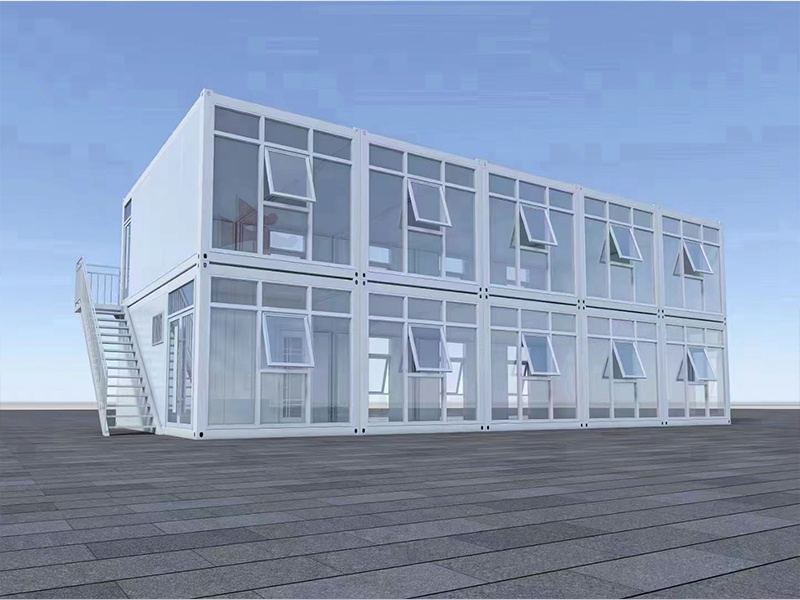
Steel’s strength also enables the construction of multi-story homes, making it an excellent choice for urban living where space is limited. These homes can take advantage of vertical space without compromising safety.
Cost-Effectiveness and Value of Steel Homes
The financial aspect of steel structure homes is often a pivotal consideration for buyers. Below are key points about their cost-effectiveness:
Lower Maintenance Costs
Given their durability, steel homes require less maintenance over time compared to traditional homes. This translates into significant savings for homeowners, as they spend less on repairs and upkeep.
Insurance Savings
The fire-resistant properties of steel can lead to lower insurance premiums. Homeowners can benefit from reduced costs while enjoying enhanced safety.
Energy Savings
As previously mentioned, steel homes are designed for energy efficiency. Over time, homeowners can save a substantial amount on energy bills, further enhancing the overall value of their investment.
Future Trends in Steel Structure Housing
The landscape of housing is constantly evolving, and steel structure homes are at the forefront of this change. Here are some trends to watch:
Integration of Smart Technology
As technology advances, we expect to see more steel homes integrating smart home features, enhancing not only convenience but also energy efficiency.
Modular Construction
The modular construction method is becoming increasingly popular. Steel structures lend themselves well to this approach, allowing for faster, more efficient building processes.
Global Reach
Steel homes are gaining popularity worldwide, particularly in regions prone to natural disasters. As awareness of their benefits grows, more markets are embracing this sustainable building method.
Case Studies: Successful Steel Structure Homes
Examining real-world examples further illustrates the benefits and versatility of steel homes.
Example 1: The Eco-Friendly Family Home
In California, a family opted for a steel structure home designed to be net-zero energy. With solar panels and high-efficiency appliances, their home generates more energy than it consumes, showcasing the potential of steel in eco-conscious living.
Example 2: Urban Steel Living
In New York City, a multi-story steel structure building was erected to accommodate affordable housing. Its open floor plans and modern design have made it a sought-after residence, demonstrating how steel can meet urban housing demands.
Frequently Asked Questions
1. Are steel structure homes more expensive than traditional homes?
While the initial cost may be comparable, the long-term savings on maintenance and energy can make steel homes more cost-effective over time.
2. How long does it take to build a steel structure home?
Steel homes can often be built faster than traditional homes, with construction times varying based on design complexity and site conditions.
3. Can steel homes be customized?
Yes, steel homes offer extensive customization options, allowing homeowners to tailor the design to their preferences.
4. Are steel homes eco-friendly?
Absolutely! Steel homes are recyclable, energy-efficient, and often incorporate sustainable building practices.
5. What are the insurance implications for steel homes?
Due to their fire resistance and durability, steel homes may qualify for lower insurance rates compared to traditional homes.
Conclusion
Steel structure homes represent the future of sustainable housing, offering a multitude of benefits that align with modern living demands. Their durability, eco-friendliness, and design flexibility position them as an attractive choice for homeowners seeking to invest in a sustainable future. As construction technology advances and the need for sustainable housing grows, steel homes are bound to become an increasingly prevalent option, reshaping our approach to residential living.
Key words:
What Else Might You Learn?




Can't find the service you're looking for? Contact us!
To inquire about our products, please leave your email to us and we will contact you within 24 hours.
Add
Wen 'an County, Langfang City, Hebei Province, China