Welcome to Hebei Luban Metal Structure Co., LTD.



How Container Buildings Can Transform Urban Landscapes: Innovative Solutions for Modern Cities
Release Time:
May 30,2026
How Container Buildings Can Transform Urban Landscapes Introduction to Container Buildings in Urban Development Container buildings have emerged as a groundbreaking solution for urban development, addressing challenges like housing shortages, sustainability, and rapid urbanization. These structures, made from repurposed shipping containers, are redefining how we perceive architectural possibilitie
How Container Buildings Can Transform Urban Landscapes
Introduction to Container Buildings in Urban Development
Container buildings have emerged as a groundbreaking solution for urban development, addressing challenges like housing shortages, sustainability, and rapid urbanization. These structures, made from repurposed shipping containers, are redefining how we perceive architectural possibilities in bustling cities. With their unique versatility and eco-friendly attributes, container buildings not only optimize space but also contribute significantly to the aesthetic and functional aspects of urban landscapes.
The Evolution of Container Architecture
Container architecture has evolved significantly over the years. Initially considered a temporary solution for housing and storage, these structures are now gaining recognition for their innovative designs and practical applications in various urban settings. As cities become increasingly congested, the demand for efficient, cost-effective, and sustainable building solutions has led architects and developers to explore the potential of container buildings.
The Rise of Container Housing
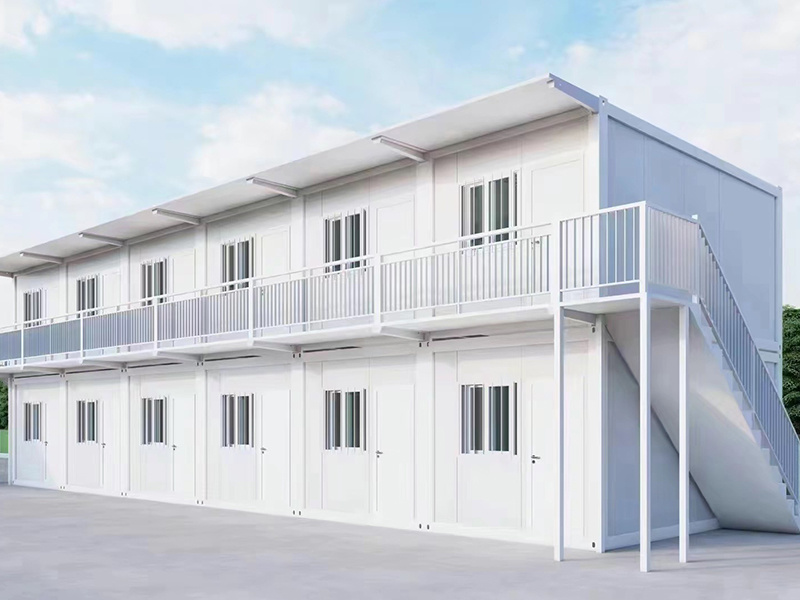
Urban areas worldwide are experiencing a housing crisis, with skyrocketing prices and insufficient affordable options. Container housing has surfaced as a solution that not only provides shelter but also promotes community engagement. With various designs and layouts available, container houses can be customized to meet diverse needs and preferences.
Commercial Applications of Container Buildings
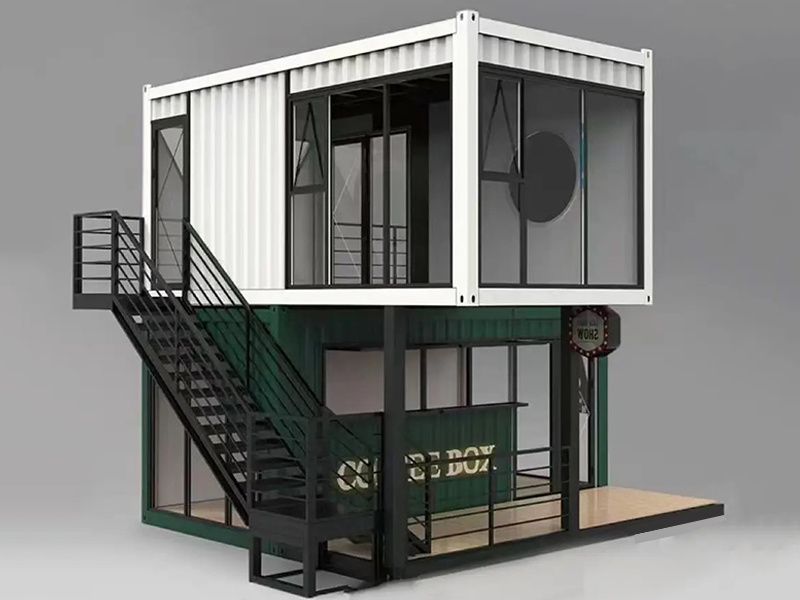
Container buildings are also making waves in commercial real estate. From pop-up shops to permanent retail spaces, restaurants, and offices, these structures offer flexibility for businesses while reducing construction costs and timeframes. Their modular design allows for easy relocation, making them ideal for entrepreneurs seeking to establish a presence in dynamic urban markets.
Benefits of Using Container Buildings
The advantages of container buildings extend beyond aesthetics and functionality. They offer a myriad of benefits that contribute to their growing popularity in urban settings.
Sustainability and Environmental Impact
By repurposing shipping containers, we are effectively recycling materials that would otherwise contribute to landfill waste. Container buildings have a lower carbon footprint compared to traditional construction methods, making them an environmentally sound choice. Additionally, many container structures incorporate green building practices, such as solar panels, rainwater harvesting, and energy-efficient insulation.
Cost-Effectiveness and Speed of Construction
One of the most compelling reasons for adopting container buildings is their cost-effectiveness. With lower material costs and significantly reduced construction times, container structures can be built quickly and affordably. This rapid turnaround can be particularly beneficial in disaster recovery situations or areas requiring immediate housing solutions.
Customization and Aesthetic Versatility
Container buildings are not only functional but also aesthetically versatile. Architects can creatively modify and stack containers to create unique living and working spaces. The industrial look of containers appeals to urban dwellers, contributing to vibrant, modern neighborhoods. Customization options are virtually limitless, allowing for various finishes, layouts, and designs tailored to the specific needs of the occupants.
Challenges and Considerations in Container Architecture
While container buildings offer numerous advantages, several challenges must be addressed when considering their implementation in urban landscapes.
Regulatory and Zoning Issues
Navigating zoning laws and building codes can be complex for container projects. Many municipalities have specific regulations that govern the use of non-traditional structures, which may pose obstacles for developers. It is crucial to engage with local authorities early in the planning process to ensure compliance and smooth project execution.
Insulation and Climate Adaptation
Shipping containers are designed for durability but may not provide adequate insulation for extreme temperatures. Proper insulation solutions must be developed to ensure that container buildings maintain comfortable living or working conditions year-round. This consideration is particularly vital in regions with harsh climates.
Innovative Container Building Projects Around the World
Numerous innovative container building projects worldwide showcase how this architectural approach can transform urban landscapes.
The Shipping Container Village in Amsterdam
In Amsterdam, a creative initiative transformed a vacant lot into a thriving community known as the Shipping Container Village. This project consists of multiple container units repurposed for residential and commercial use, fostering a sense of community while addressing housing shortages.
Container City in London
Container City, located in London, serves as an exemplary project showcasing the potential of container architecture. This vibrant development features a mix of residential, commercial, and creative spaces, demonstrating how containers can be effectively utilized to create a lively urban environment.
The Hive in New York City
New York City’s The Hive is an innovative co-working space built from repurposed shipping containers. By combining modern design with sustainable practices, The Hive provides a unique environment for entrepreneurs and freelancers, exemplifying the versatility of container buildings.
The Future of Container Buildings in Urban Planning
As cities continue to grow, the need for innovative, sustainable building solutions will intensify. Container buildings are poised to play a crucial role in shaping the cities of the future.
Integration with Smart City Initiatives
The integration of container buildings into smart city initiatives can enhance urban living. With the incorporation of technology for energy management, waste reduction, and transportation efficiency, container structures can further reduce their environmental impact while improving residents' quality of life.
Community-Centric Developments
Future container projects will increasingly focus on community engagement and social impact. By creating shared spaces, parks, and community centers within container developments, urban planners can foster stronger connections among residents, enhancing the overall urban experience.
Frequently Asked Questions (FAQs)
1. What are container buildings made from?
Container buildings are primarily constructed from repurposed shipping containers, which are made of durable steel. This material provides strength and longevity while promoting sustainability through recycling.
2. How much does it cost to build a container home?
The cost of building a container home varies based on size, design, and location. On average, a basic container home can range from $10,000 to $50,000, excluding land and additional customization.
3. Are container buildings energy-efficient?
Yes, container buildings can be designed to be energy-efficient. By incorporating insulation, energy-efficient appliances, and renewable energy sources, these structures can significantly reduce energy consumption.
4. Can container buildings withstand extreme weather conditions?
Container buildings are inherently durable, but proper insulation and additional protective measures must be taken to ensure they can withstand extreme weather conditions, such as heavy snow or hurricanes.
5. What are the zoning laws for container buildings?
Zoning laws for container buildings vary by municipality. Developers should consult local authorities to understand regulations and obtain necessary permits before commencing construction.
Conclusion
Container buildings are transforming urban landscapes by providing innovative, sustainable, and cost-effective solutions to modern challenges. As cities continue to evolve, the adoption of container architecture will likely increase, leading to more dynamic and resilient urban environments. By utilizing repurposed materials, these structures not only address housing shortages but also create vibrant, functional spaces that enhance the quality of life for urban residents. Embracing the potential of container buildings will pave the way for a more sustainable and inclusive future in urban development.
Key words:
What Else Might You Learn?





Can't find the service you're looking for? Contact us!
To inquire about our products, please leave your email to us and we will contact you within 24 hours.
Add
Wen 'an County, Langfang City, Hebei Province, China