Welcome to Hebei Luban Metal Structure Co., LTD.



The Art of Efficiency: Streamlining Construction with Modular Methods
Release Time:
May 21,2024
**Introduction** In the world of construction, efficiency is key. Every project aims to be completed on time and within budget, without sacrificing quality or safety. With the increasing demand for sustainable building practices, the industry is turning to modular construction methods as a solution to streamline the process. **What is Modular Construction?** Modular construction is a method where
Introduction
In the world of construction, efficiency is key. Every project aims to be completed on time and within budget, without sacrificing quality or safety. With the increasing demand for sustainable building practices, the industry is turning to modular construction methods as a solution to streamline the process.
What is Modular Construction?
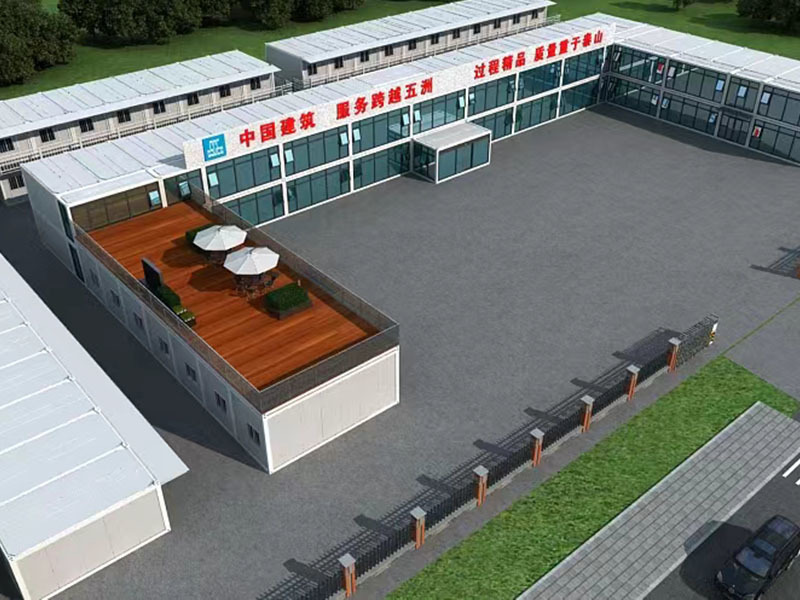
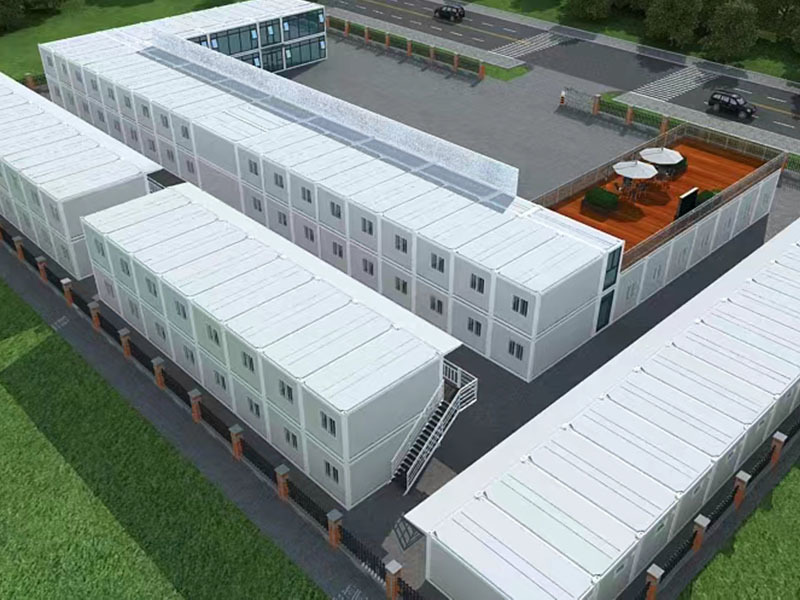
Modular construction is a method where building components are manufactured off-site in a controlled environment, then transported to the construction site for assembly. This prefabricated approach allows for faster construction timelines, reduced waste, and improved quality control.
Benefits of Modular Construction
1. Time-Saving: Modular construction can reduce project timelines by up to 50%, thanks to the simultaneous manufacturing and site preparation processes.
2. Cost-Effective: With reduced labor and material costs, modular construction offers significant savings compared to traditional building methods.
3. Quality Assurance: The controlled environment of the factory ensures consistent quality and precision in every building component.
4. Sustainability: Modular construction produces less waste and can incorporate eco-friendly materials, making it a greener option for builders.
How Modular Methods Streamline Construction
1. Efficient Planning: The design and manufacturing phases can run concurrently, allowing for a seamless transition from production to installation.
2. Reduced Site Disruption: With most of the construction work done off-site, on-site disruptions and disturbances are minimized, leading to a quieter and safer work environment.
3. Flexibility: Modular construction offers flexibility in design, allowing for customization and adaptation to various project requirements.
4. Improved Safety: Factory-controlled processes and reduced on-site work contribute to a safer construction environment for workers.
FAQs
1. What types of buildings can be constructed using modular methods?
Modular construction can be used for a wide range of building types, including residential homes, commercial buildings, schools, hospitals, and more.
2. Are modular buildings durable?
Yes, modular buildings are designed to meet the same building codes and standards as traditional construction, ensuring durability and longevity.
3. Can modular construction be customized to fit specific design requirements?
Absolutely, modular construction allows for customization in design, layout, and finishes to meet the unique needs of each project.
4. How does modular construction impact sustainability?
Modular construction reduces waste, energy consumption, and carbon emissions, making it a more sustainable building option compared to traditional methods.
5. What are the challenges of implementing modular construction?
Some challenges include transportation logistics, coordination between on-site and off-site work, and potential limitations in design flexibility.
Conclusion
The art of efficiency in construction lies in embracing innovative methods like modular construction. By streamlining the building process, saving time and money, and prioritizing quality and sustainability, modular methods are shaping the future of the construction industry. Embrace the efficiency of modular construction and unlock the potential for faster, greener, and more cost-effective building projects.
Key words:
What Else Might You Learn?



Can't find the service you're looking for? Contact us!
To inquire about our products, please leave your email to us and we will contact you within 24 hours.
Add
Wen 'an County, Langfang City, Hebei Province, China