Welcome to Hebei Luban Metal Structure Co., LTD.



Exploring the Future: The Rise of Container Homes Construction
Release Time:
Oct 05,2026
Container homes construction is rapidly gaining traction as a viable and innovative approach to modern housing. Utilizing repurposed shipping containers, this method presents a unique blend of sustainability, affordability, and creativity. With the growing emphasis on eco-friendly living, container homes are appealing not only to environmentally conscious consumers but also to those seeking effici
One of the most significant advantages of container homes construction is its sustainability factor. By repurposing old shipping containers, builders can reduce waste and minimize the carbon footprint typically associated with traditional building materials. Additionally, container homes can be designed to be energy-efficient, incorporating features such as solar panels and high-quality insulation to further lower energy consumption.
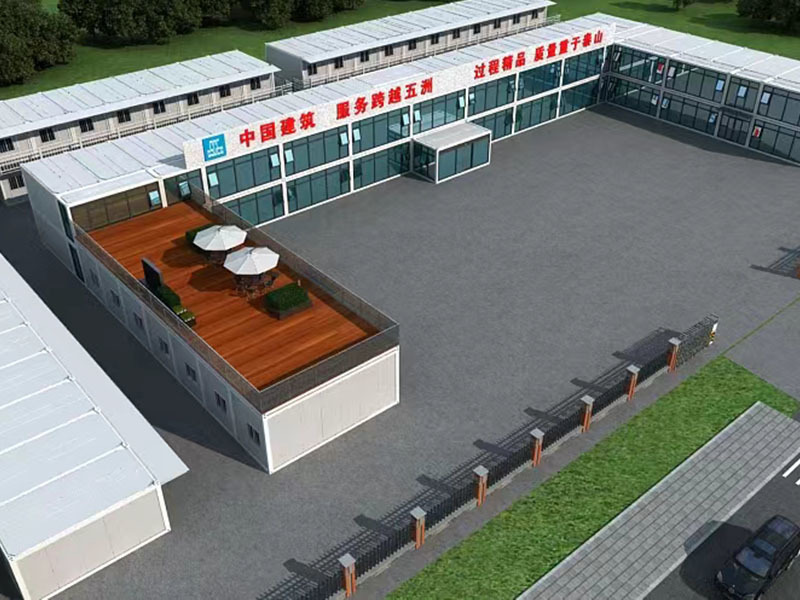
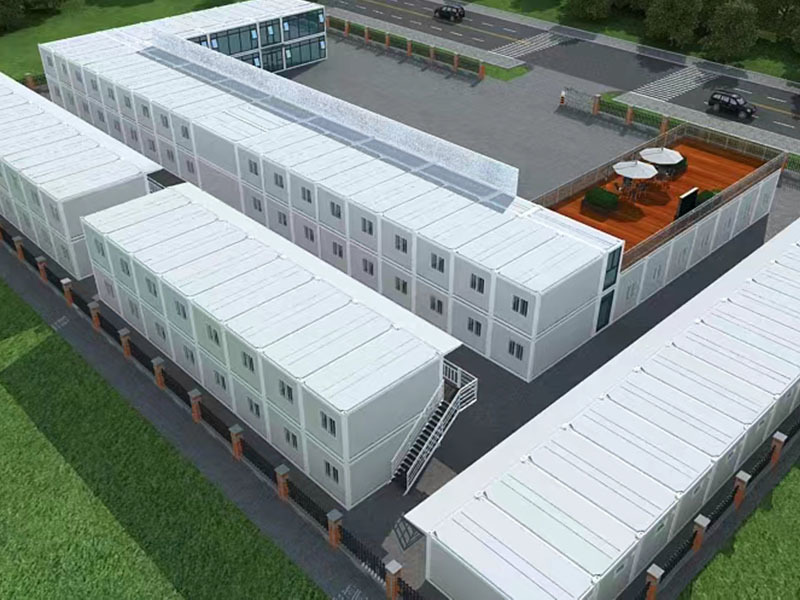
The versatility of container homes allows for an array of design possibilities. Containers can be stacked, combined, and modified to create spaces that are both functional and aesthetically pleasing. This flexibility enables architects and builders to cater to various needs, from compact single-family homes to larger, multi-storey residential complexes. The modular nature of container homes construction also simplifies the building process, often resulting in faster project timelines compared to conventional construction methods.
Moreover, container homes construction offers a cost-effective solution for housing. The initial investment in shipping containers is generally lower than that of traditional building materials. Furthermore, the speed of construction translates into reduced labor costs. This affordability makes container homes particularly attractive for first-time buyers or those looking to invest in rental properties.
However, there are important considerations to keep in mind. Container homes require careful planning and design to ensure compliance with local building codes and regulations. Proper insulation and ventilation are crucial to mitigate potential issues related to temperature control and moisture. Additionally, while many people are drawn to the aesthetic appeal of industrial-style living, it is essential to strike a balance between form and function, ensuring that the final design meets the occupants' needs.
In conclusion, container homes construction represents a forward-thinking approach to housing that merges sustainability with adaptability. As the demand for eco-friendly living solutions continues to rise, this innovative building method is poised to play a significant role in reshaping the future of residential architecture. By embracing the unique characteristics of container homes, builders and homeowners alike can contribute to a more sustainable and efficient living environment.
Key words:
What Else Might You Learn?



Can't find the service you're looking for? Contact us!
To inquire about our products, please leave your email to us and we will contact you within 24 hours.
Add
Wen 'an County, Langfang City, Hebei Province, China