Welcome to Hebei Luban Metal Structure Co., LTD.



Exploring the Versatility and Benefits of Movable Homes
Release Time:
Nov 16,2025
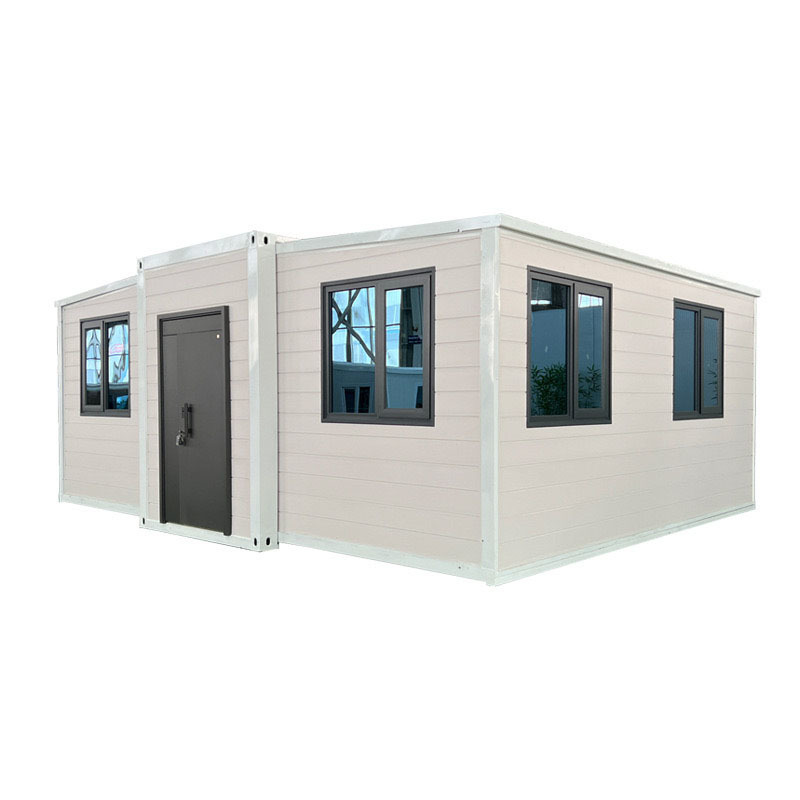
Movable homes, often referred to as mobile or modular homes, represent a unique approach to housing that combines flexibility, affordability, and sustainability. Unlike traditional homes that are fixed in one location, movable homes can be relocated, making them an attractive option for individuals and families seeking a dynamic lifestyle. In recent years, the popularity of movable homes has surge
Movable homes, often referred to as mobile or modular homes, represent a unique approach to housing that combines flexibility, affordability, and sustainability. Unlike traditional homes that are fixed in one location, movable homes can be relocated, making them an attractive option for individuals and families seeking a dynamic lifestyle. In recent years, the popularity of movable homes has surged, drawing attention from a diverse range of homeowners, including those looking to minimize their ecological footprint or simplify their living arrangements.
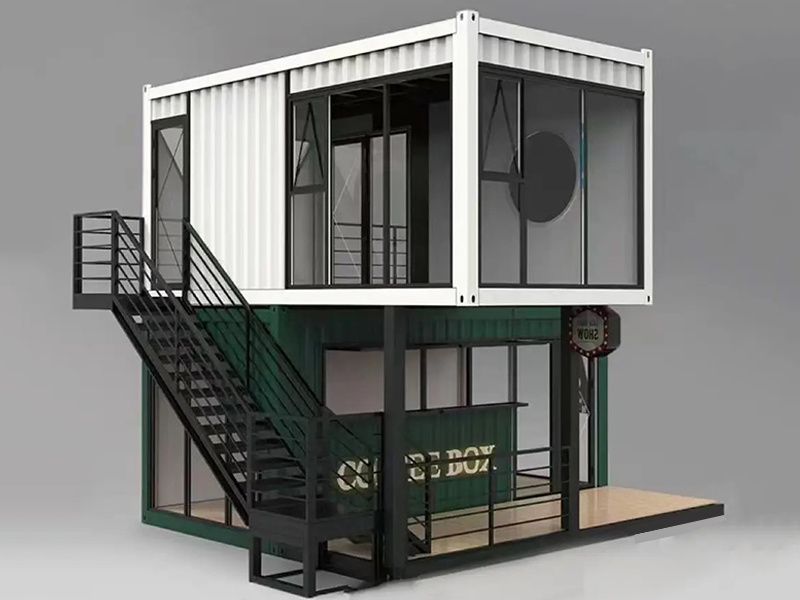
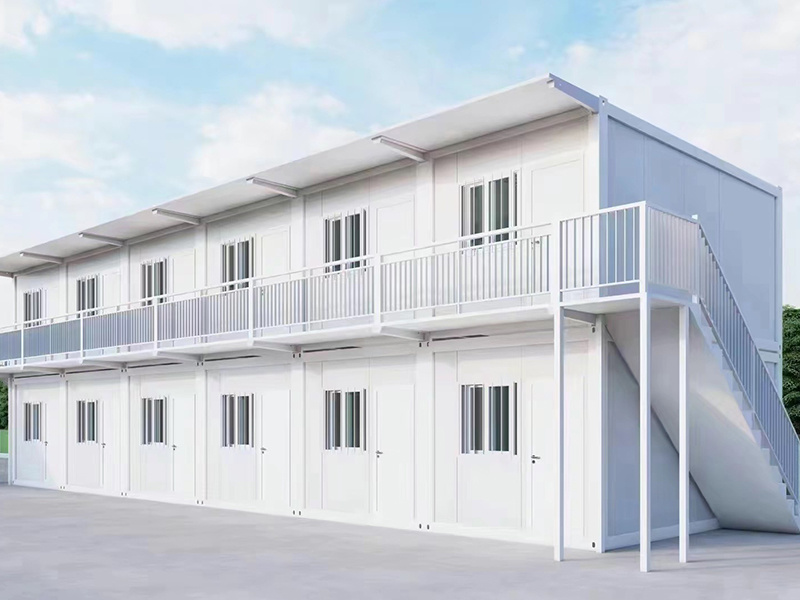
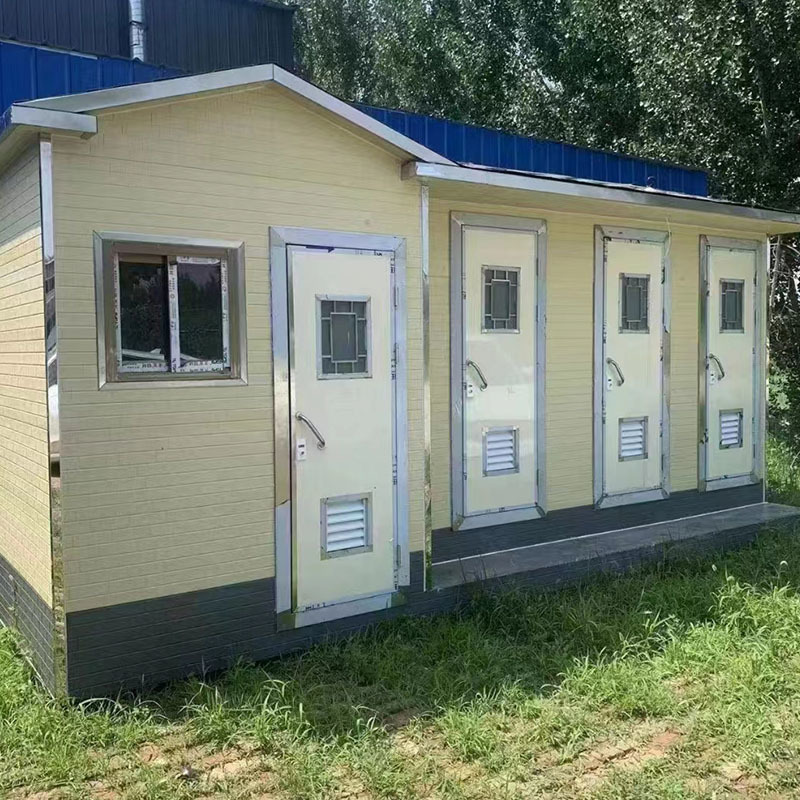
One of the primary benefits of movable homes is their adaptability. These structures can be designed to fit various environments and personal preferences, from tiny homes on wheels to larger modular units. The ability to move these homes allows for a lifestyle that embraces travel, exploration, and the freedom to change one's surroundings without the hassle of selling a fixed property. This is particularly appealing to individuals who enjoy adventure or work in locations that change frequently.
In addition to their mobility, these homes often incorporate sustainable building practices. Many movable homes are constructed using eco-friendly materials and energy-efficient designs, making them a viable option for environmentally-conscious consumers. Features such as solar panels, rainwater harvesting systems, and composting toilets can significantly reduce a household’s carbon footprint. By choosing a movable home, residents can contribute to a more sustainable future while enjoying the benefits of innovative building technologies.
Another significant aspect of movable homes is the potential for cost savings. Traditional home ownership often comes with high costs, including property taxes, maintenance, and utility expenses. Movable homes typically require less land and can be more affordable to purchase and maintain. This financial flexibility allows homeowners to invest in experiences rather than being tied down by mortgage payments.
When considering a movable home, it's important to explore various design options and understand local zoning regulations. Different regions have specific rules regarding where these homes can be placed, which can influence the overall design and functionality. Engaging with local communities and resources can provide valuable information and support during the planning process.
In conclusion, movable homes offer an innovative solution for those seeking a flexible and sustainable lifestyle. With their ability to be relocated, adaptability to various environments, and potential for cost savings, they present a compelling alternative to traditional housing. As more individuals and families embrace the concept of movable living, it is clear that these homes are more than just a trend; they represent a shift towards a more versatile and sustainable way of life. Exploring the world of movable homes could be the first step towards a fulfilling and liberated living experience.
Key words:
What Else Might You Learn?



Can't find the service you're looking for? Contact us!
To inquire about our products, please leave your email to us and we will contact you within 24 hours.
Add
Wen 'an County, Langfang City, Hebei Province, China