Welcome to Hebei Luban Metal Structure Co., LTD.



The Versatility of Apartment Containers: A Modern Solution for Urban Living
Release Time:
Dec 06,2025
Apartment containers, often referred to as container homes or shipping container apartments, represent a cutting-edge approach to urban living that meets the needs of today’s fast-paced society. These structures are made from repurposed shipping containers, which offer a multitude of benefits over traditional building methods. One of the key advantages of apartment containers is their remarkable
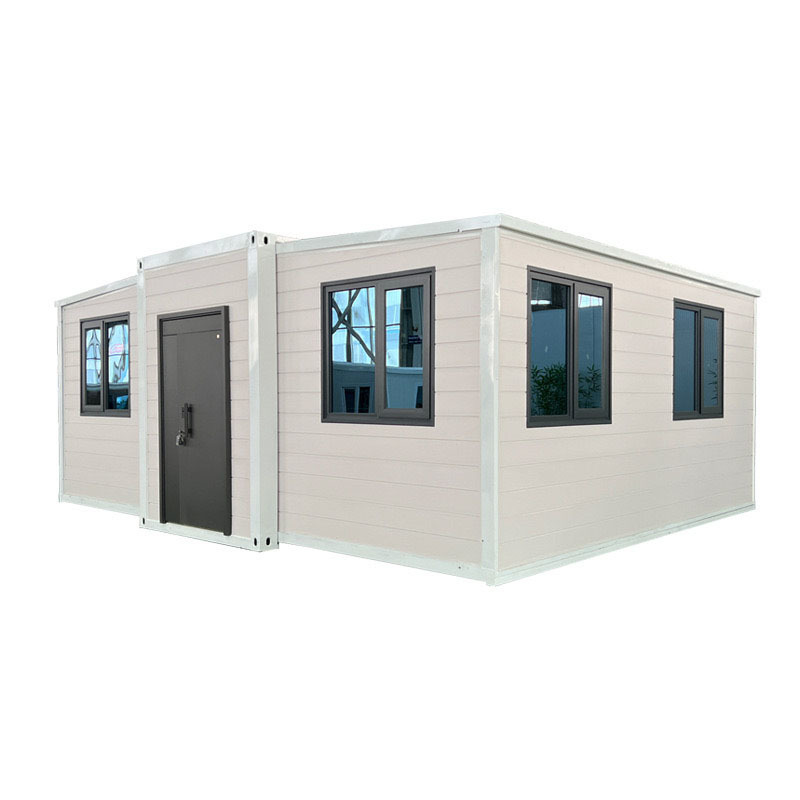
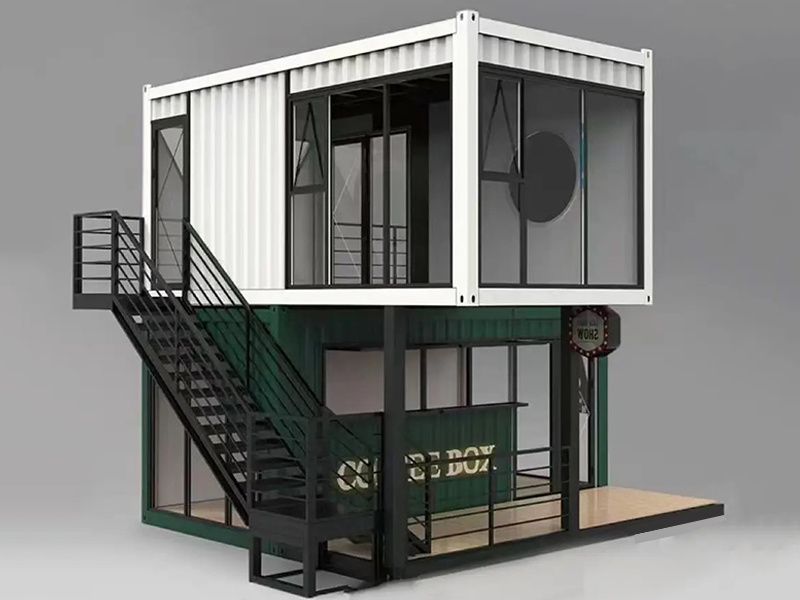
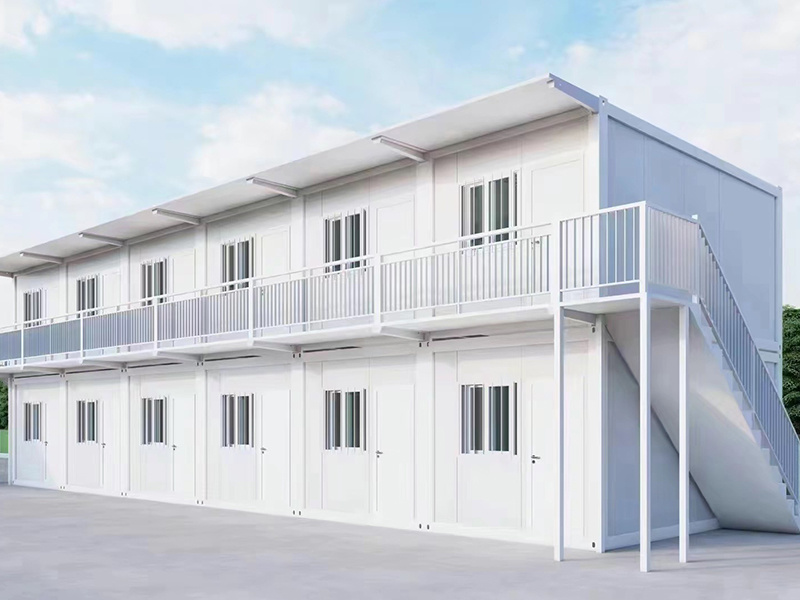
One of the key advantages of apartment containers is their remarkable versatility. They can be easily modified and customized to fit various architectural designs and personal preferences. Whether you're looking for a compact studio or a spacious multi-bedroom unit, shipping containers can be stacked, arranged, and transformed to create unique living spaces. This adaptability makes them an excellent solution for urban environments where space is often at a premium.
Additionally, apartment containers are renowned for their sustainability. The use of recycled materials, such as shipping containers, significantly reduces waste and environmental impact. Compared to traditional construction methods, which often require extensive materials and resources, container homes promote a more eco-friendly approach. This can lead to lower carbon footprints and support the growing demand for sustainable living options.
Cost-effectiveness is another compelling reason why apartment containers are gaining popularity. While the initial investment may vary based on design and customization, the overall costs of construction can be considerably lower than those of conventional buildings. The reduced time for construction, thanks to the pre-fabricated nature of containers, further contributes to savings. As a result, more individuals and families can access affordable housing solutions in metropolitan areas.
Moreover, apartment containers can be quickly deployed, making them an ideal choice in situations where urgent housing solutions are needed, such as after natural disasters or during rapid population growth in urban areas. These homes can be erected in a fraction of the time it takes to build traditional structures, offering immediate shelter while maintaining quality and safety standards.
In terms of aesthetics, apartment containers can be designed to fit seamlessly into various architectural styles. Innovative architects and designers are continually experimenting with finishes, layouts, and landscaping to create visually appealing and functional living environments. This aspect ensures that apartment container living is not only practical but also desirable.
In conclusion, apartment containers serve as a modern solution for urban living, marrying sustainability, cost-effectiveness, and innovative design. As cities continue to grow and evolve, embracing this unique building method can provide an effective response to housing challenges. Whether for individual residence, temporary housing, or even community development, apartment containers stand out as a forward-thinking option in the realm of construction and decoration materials.
Key words:
What Else Might You Learn?



Can't find the service you're looking for? Contact us!
To inquire about our products, please leave your email to us and we will contact you within 24 hours.
Add
Wen 'an County, Langfang City, Hebei Province, China