Welcome to Hebei Luban Metal Structure Co., LTD.



Exploring the Versatility of Container Buildings in Modern Architecture
Release Time:
Oct 27,2025
Container buildings have emerged as a popular alternative in modern architecture, offering a unique blend of functionality, sustainability, and aesthetic appeal. These structures are primarily constructed using repurposed shipping containers, which have been engineered to withstand the rigors of ocean transport, making them incredibly durable. This inherent strength allows for a variety of creativ
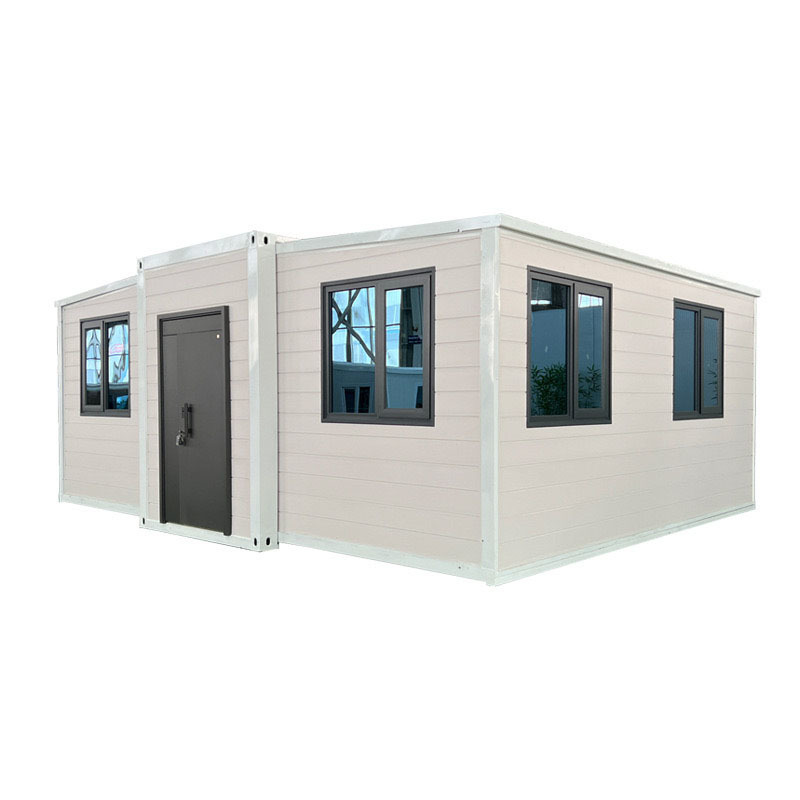
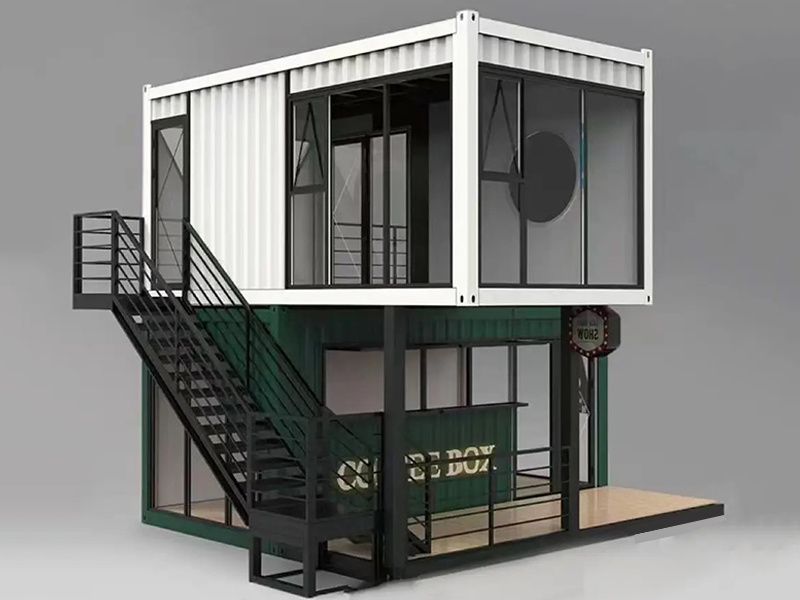
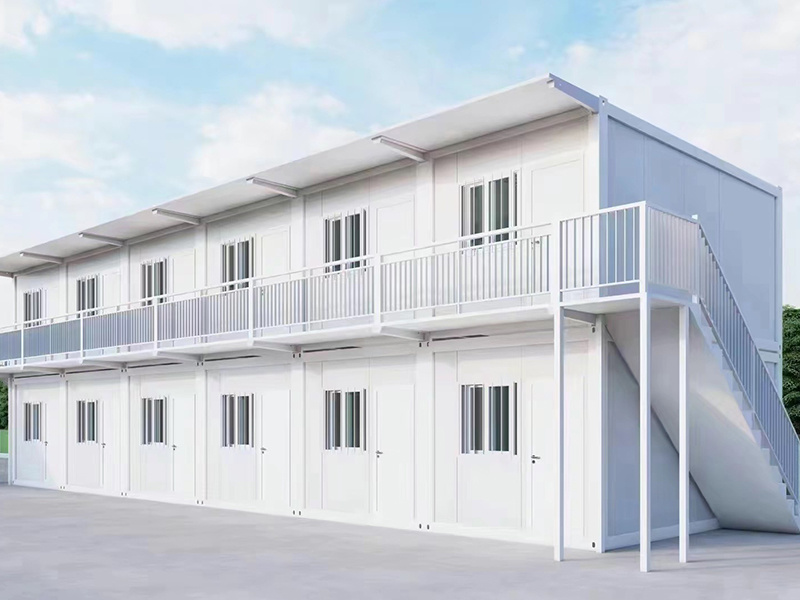
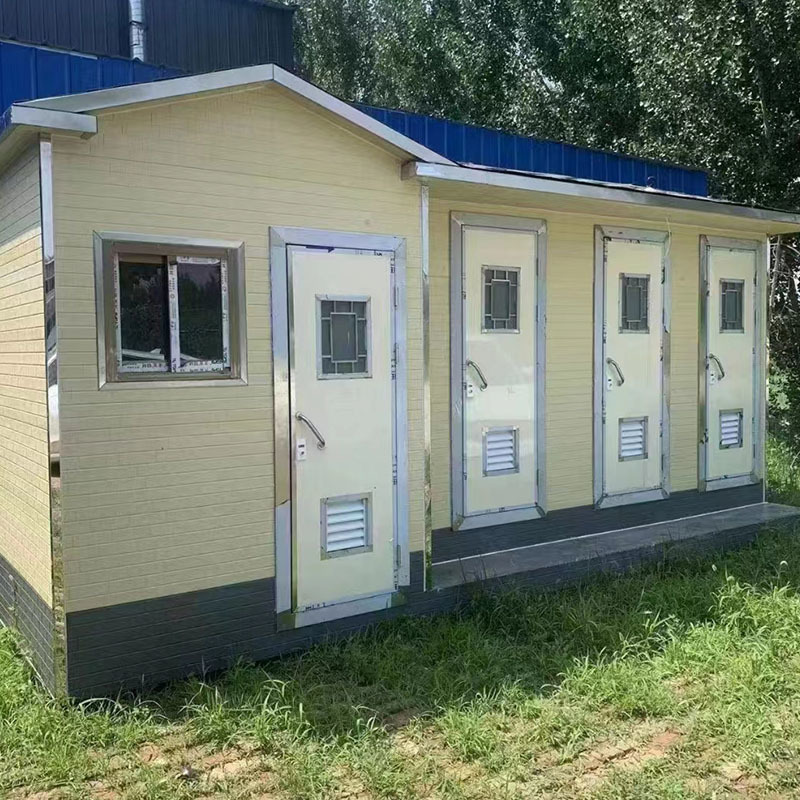
Container buildings have emerged as a popular alternative in modern architecture, offering a unique blend of functionality, sustainability, and aesthetic appeal. These structures are primarily constructed using repurposed shipping containers, which have been engineered to withstand the rigors of ocean transport, making them incredibly durable. This inherent strength allows for a variety of creative applications in both residential and commercial settings.
One of the standout features of container buildings is their eco-friendly nature. By repurposing existing containers, architects and builders contribute significantly to the reduction of construction waste. This sustainable approach not only minimizes the need for new building materials but also promotes the concept of recycling in construction. As industries worldwide look to lower their carbon footprints, the use of container buildings presents a compelling solution.
The adaptability of container buildings is another key advantage. These structures can be modified and stacked in various configurations, allowing for innovative designs that meet diverse needs. Whether it’s a single-unit home, a multi-story apartment complex, or a temporary office space, container buildings can be tailored to suit different purposes. Their modular nature also facilitates quicker construction timelines, as sections can be prefabricated off-site and assembled on location.
Moreover, container buildings can be integrated into various landscapes and settings, making them suitable for urban environments, rural plots, and even remote locations. This versatility opens up new opportunities for creating affordable housing, pop-up stores, or even community centers in areas where traditional construction methods may be impractical or too costly.
In terms of interior design, container buildings offer a blank canvas that can be customized to reflect individual tastes and lifestyles. With proper insulation, ventilation, and finishing, these spaces can be transformed into comfortable, inviting environments. Furthermore, the use of large windows and open layouts can enhance natural light and create a sense of spaciousness within the confines of the container structure.
In conclusion, container buildings represent a transformative approach to architecture, marrying sustainability with innovative design. Their unique properties make them a valuable option for a wide range of construction projects, from homes to commercial spaces. As the demand for sustainable living solutions continues to grow, container buildings stand out as a forward-thinking alternative that meets both environmental and practical needs. With endless possibilities for customization and application, they are redefining what modern architecture can achieve.
Key words:
What Else Might You Learn?



Can't find the service you're looking for? Contact us!
To inquire about our products, please leave your email to us and we will contact you within 24 hours.
Add
Wen 'an County, Langfang City, Hebei Province, China