Welcome to Hebei Luban Metal Structure Co., LTD.



Exploring the Benefits and Features of Residential Container Homes
Release Time:
Sep 05,2026
Residential container homes have emerged as a fascinating alternative in the field of architecture and construction, offering a unique approach to sustainable living. Built from repurposed shipping containers, these homes present numerous benefits that appeal to eco-conscious individuals and those seeking affordable housing solutions. One of the primary advantages of residential container homes is
One of the primary advantages of residential container homes is their sustainability. By utilizing containers that would otherwise contribute to waste, builders can significantly reduce the environmental impact typically associated with traditional construction methods. This approach promotes recycling and resourcefulness, aligning with the principles of green architecture. Moreover, container homes can be designed with energy-efficient features, such as solar panels and high-quality insulation, further minimizing their carbon footprint.
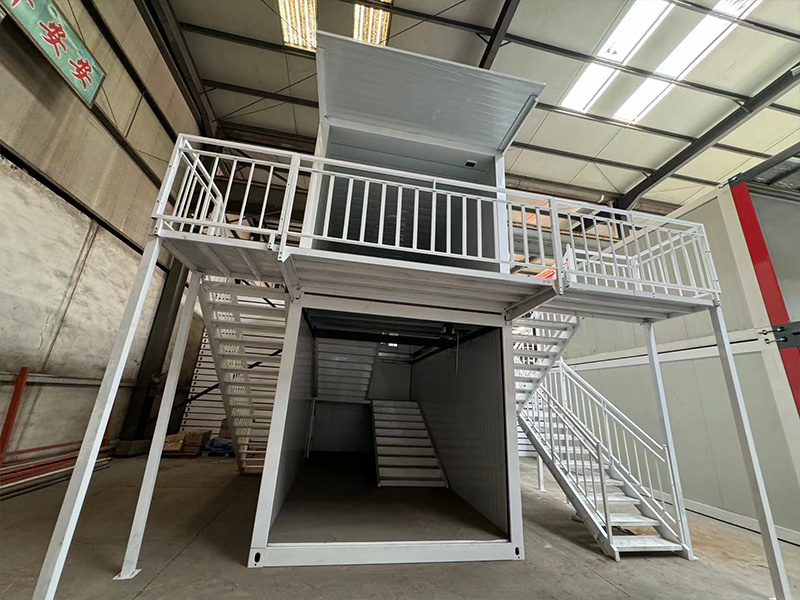
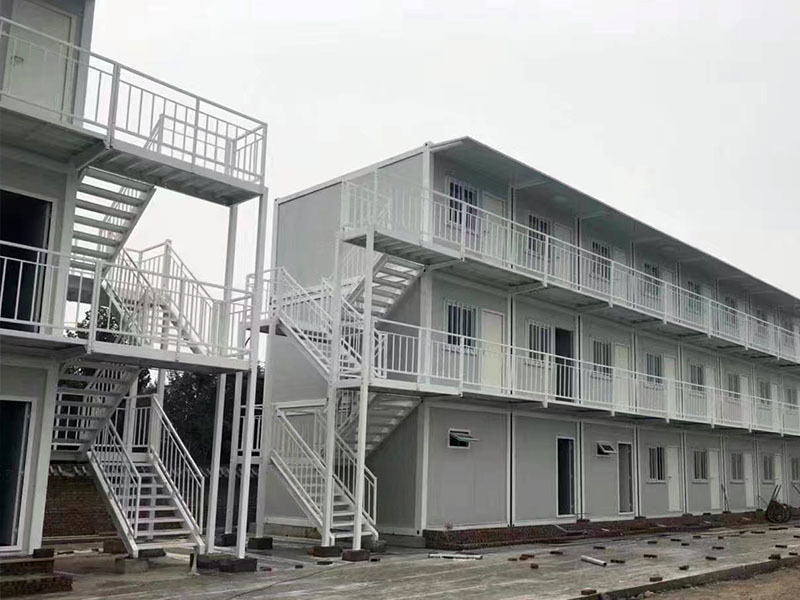
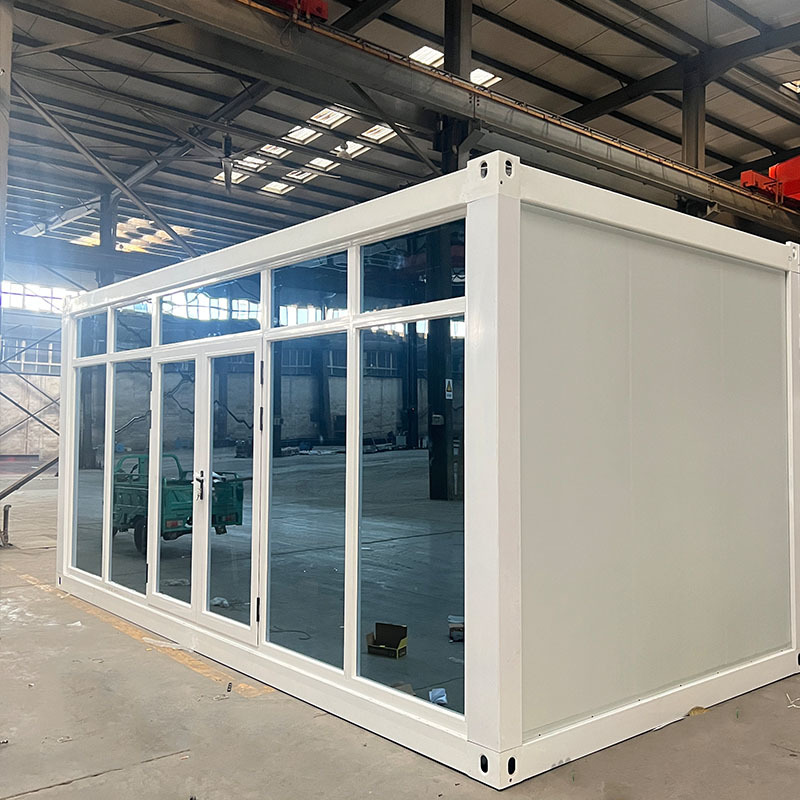
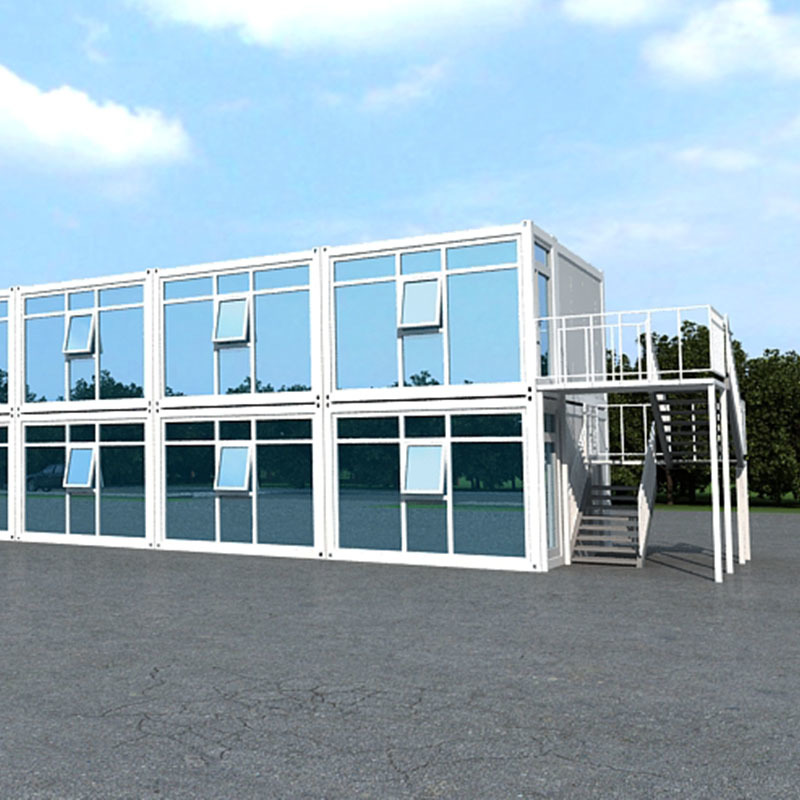
In terms of design flexibility, residential container homes offer a myriad of possibilities. Each container can be transformed into various living spaces, from single-family homes to multi-unit complexes. Architects and builders can easily customize layouts to suit individual needs, incorporating large windows for natural light, open floor plans, and even multi-story designs. The modular nature of these containers allows for innovative configurations, making it easier to adapt to different sites and landscapes.
From a financial perspective, residential container homes can be an attractive option. Generally, they are more economical to construct compared to traditional homes. The initial investment tends to be lower, which can be particularly beneficial for first-time homeowners or those on a budget. Additionally, the durability of shipping containers means they require less maintenance over time, leading to cost savings in the long run.
Another significant aspect of residential container homes is their speed of construction. As these homes are often prefabricated, they can be assembled and completed much faster than conventional homes. This rapid turnaround is especially advantageous in areas experiencing housing shortages or natural disasters, where immediate shelter is needed.
In conclusion, residential container homes represent a forward-thinking solution in modern architecture, combining sustainability, affordability, and design versatility. As the demand for eco-friendly building practices continues to grow, these homes stand out as a compelling option for those looking to invest in a unique and responsible way of living. The integration of such innovative structures into the housing market not only addresses the issue of affordability but also promotes a culture of sustainability and creativity in the construction industry.
Key words:
What Else Might You Learn?



Can't find the service you're looking for? Contact us!
To inquire about our products, please leave your email to us and we will contact you within 24 hours.
Add
Wen 'an County, Langfang City, Hebei Province, China