Welcome to Hebei Luban Metal Structure Co., LTD.



Designing for Durability: Features of High-Quality Temporary Building Structures
Release Time:
Aug 01,2026
Designing for Durability: Features of High-Quality Temporary Building Structures Table of Contents 1. Introduction to Temporary Building Structures 2. The Importance of Durability in Temporary Structures 3. Key Features of High-Quality Temporary Building Structures 3.1. Selecting Durable Materials 3.2. Innovative Design Practices 3.3. Robus
Designing for Durability: Features of High-Quality Temporary Building Structures
Table of Contents
- 1. Introduction to Temporary Building Structures
- 2. The Importance of Durability in Temporary Structures
- 3. Key Features of High-Quality Temporary Building Structures
- 3.1. Selecting Durable Materials
- 3.2. Innovative Design Practices
- 3.3. Robust Construction Techniques
- 4. Flexibility and Adaptability in Design
- 5. Sustainability Considerations for Temporary Structures
- 6. Case Studies of Successful Temporary Structures
- 7. Challenges in Designing Durable Temporary Buildings
- 8. Frequently Asked Questions
- 9. Conclusion
1. Introduction to Temporary Building Structures
Temporary building structures serve a variety of purposes across numerous industries, from event spaces to emergency shelters and construction site offices. As the demand for quick and efficient building solutions grows, understanding how to design these structures for durability becomes increasingly crucial. This article delves into the features that make temporary buildings resilient, sustainable, and adaptable to changing needs.
2. The Importance of Durability in Temporary Structures
Durability in temporary structures is not merely a luxury—it's a necessity. These buildings must withstand various environmental factors, such as harsh weather conditions, while maintaining safety and functionality. Investing in durable designs can lead to significant long-term savings by reducing maintenance costs and extending the life of the building.
Furthermore, high-quality temporary structures can enhance the user experience by providing a safe and reliable environment, whether for workers on a construction site or attendees at an event. The focus on durability not only meets immediate needs but also prepares for future challenges.
3. Key Features of High-Quality Temporary Building Structures
When designing for durability, several key features should be prioritized to ensure that temporary structures can withstand the test of time.
3.1. Selecting Durable Materials
The choice of materials is fundamental in determining the durability of a temporary building. High-quality materials such as galvanized steel, treated wood, and advanced composites can enhance the strength and lifespan of these structures.
- **Galvanized Steel**: This corrosion-resistant material is ideal for frames and supports, particularly in environments prone to moisture or chemicals.
- **Treated Wood**: For applications requiring aesthetics alongside durability, treated wood can be an effective choice, especially when weather-resistant treatments are applied.
- **Advanced Composites**: Materials like fiberglass and reinforced plastics offer lightweight yet strong alternatives, suitable for modular or portable designs.
3.2. Innovative Design Practices
Innovative design practices play a significant role in enhancing durability. Here are some approaches that can be integrated into the design process:
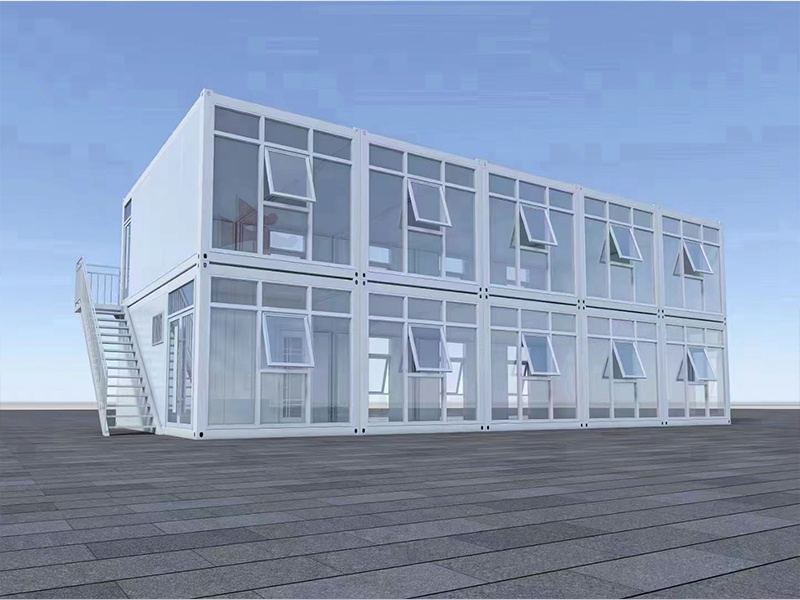
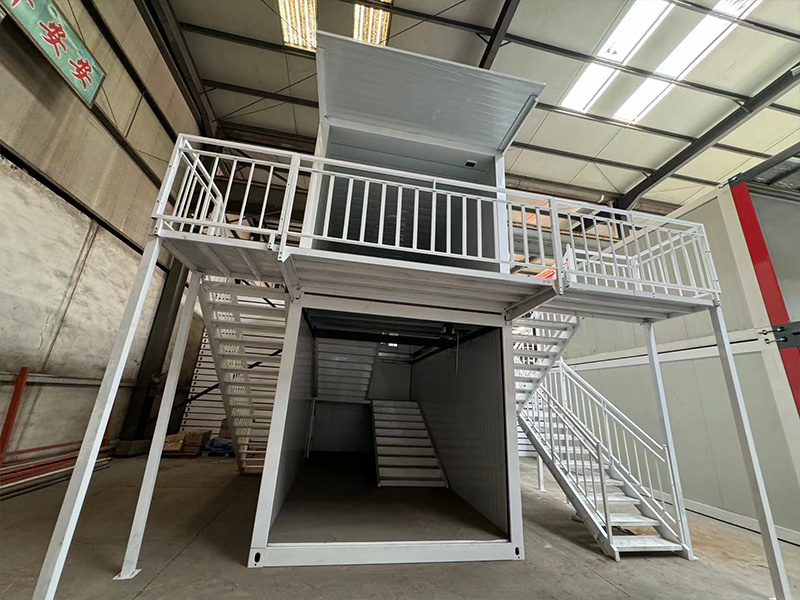
- **Modular Design**: Utilizing modular components allows for flexibility and easy assembly, making the structure more adaptable to various uses and conditions.
- **Load-Bearing Considerations**: Designing with the potential load in mind ensures that the structure can support its intended use, whether it’s heavy equipment or large crowds.
- **Weather Resistance**: Incorporating design elements that account for wind, rain, and snow loads can significantly extend the life of the building.
3.3. Robust Construction Techniques
The construction techniques employed can impact the durability of temporary buildings. Implementing rigorous construction standards ensures that the structures meet safety and quality benchmarks.
- **Quality Assurance**: Regular inspections during construction can prevent issues that may compromise durability later on.
- **Proper Anchoring Systems**: Ensuring that temporary structures are anchored securely prevents displacement during adverse weather conditions, thereby safeguarding structural integrity.
4. Flexibility and Adaptability in Design
Flexibility in design is essential for temporary structures. The ability to adapt to different contexts or uses can enhance their longevity and practicality. This can be achieved through modular construction, allowing rapid reconfiguration as needs change, which is vital in environments like construction sites or event spaces.
Incorporating features like removable walls or configurable interiors can significantly broaden the functionality of temporary structures, making them suitable for a wider range of applications.
5. Sustainability Considerations for Temporary Structures
Sustainability is an essential aspect of designing high-quality temporary buildings. Utilizing sustainable materials and energy-efficient designs not only aligns with modern environmental standards but also reduces the ecological footprint of temporary structures.
Recycling and reusing materials from previous projects can lead to significant resource savings. Additionally, employing renewable energy sources, such as solar panels, can enhance the sustainability of temporary buildings, providing energy without depleting non-renewable resources.
6. Case Studies of Successful Temporary Structures
Examining successful case studies offers valuable insights into best practices for designing durable temporary structures. Here are a few noteworthy examples:
- **Tokyo 2020 Olympic Games Venues**: Temporary venues were designed with sustainability and adaptability in mind. Many structures utilized recyclable materials and were designed to be repurposed post-event.
- **Disaster Relief Shelters**: Structures developed for emergency housing after natural disasters have showcased the importance of durability, often built with materials that can withstand extreme weather and provide long-term living conditions.
These case studies demonstrate that durability, sustainability, and functionality can coexist in temporary structure design.
7. Challenges in Designing Durable Temporary Buildings
While the benefits of durable temporary structures are clear, several challenges remain. These may include:
- **Cost Constraints**: Quality materials and construction practices can drive up initial costs, posing a challenge for budget-conscious projects.
- **Regulatory Compliance**: Navigating building codes and regulations can complicate the design and construction process, especially in different jurisdictions.
- **Logistical Issues**: Transporting materials and assembling structures on-site can introduce complications that affect durability if not managed properly.
Addressing these challenges requires strategic planning and collaboration among stakeholders to develop solutions that prioritize durability without sacrificing budget or compliance.
8. Frequently Asked Questions
1. What are temporary building structures used for?
Temporary building structures are commonly used for events, construction sites, emergency shelters, and portable offices, providing flexible and immediate space solutions.
2. How can I ensure the durability of a temporary structure?
Selecting high-quality materials, employing robust construction techniques, and focusing on innovative design practices are crucial for enhancing durability.
3. Are temporary buildings safe for use in adverse weather?
Yes, when designed and constructed with weather-resistant materials and proper anchoring systems, temporary buildings can be safe in adverse weather conditions.
4. How long can temporary structures last?
The lifespan of temporary structures varies, but with proper design and materials, they can last anywhere from several months to multiple years.
5. Can temporary buildings be recycled or reused?
Many temporary structures are designed for disassembly and reuse, and materials can often be recycled, making them a sustainable option.
9. Conclusion
Designing for durability in temporary building structures is paramount in meeting the diverse needs of various industries. By focusing on high-quality materials, innovative design practices, and robust construction techniques, we can create structures that not only withstand the test of time but also align with sustainability goals. As the demand for temporary solutions continues to grow, prioritizing durability will ultimately lead to better outcomes, ensuring safety, functionality, and environmental responsibility. Embracing these principles will pave the way for a future where temporary buildings are as reliable and enduring as their permanent counterparts.
Key words:
What Else Might You Learn?




Can't find the service you're looking for? Contact us!
To inquire about our products, please leave your email to us and we will contact you within 24 hours.
Add
Wen 'an County, Langfang City, Hebei Province, China