Welcome to Hebei Luban Metal Structure Co., LTD.



Exploring the Benefits and Features of Modular Office Buildings
Release Time:
May 25,2026
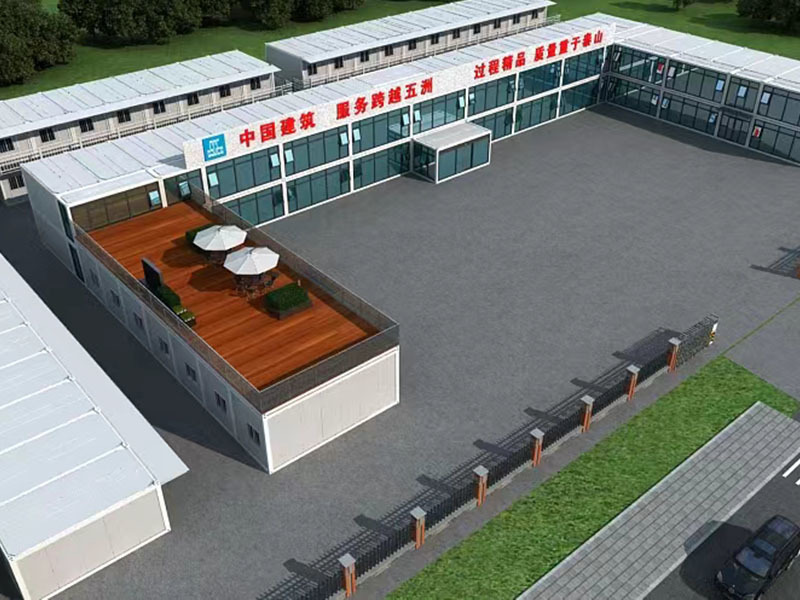
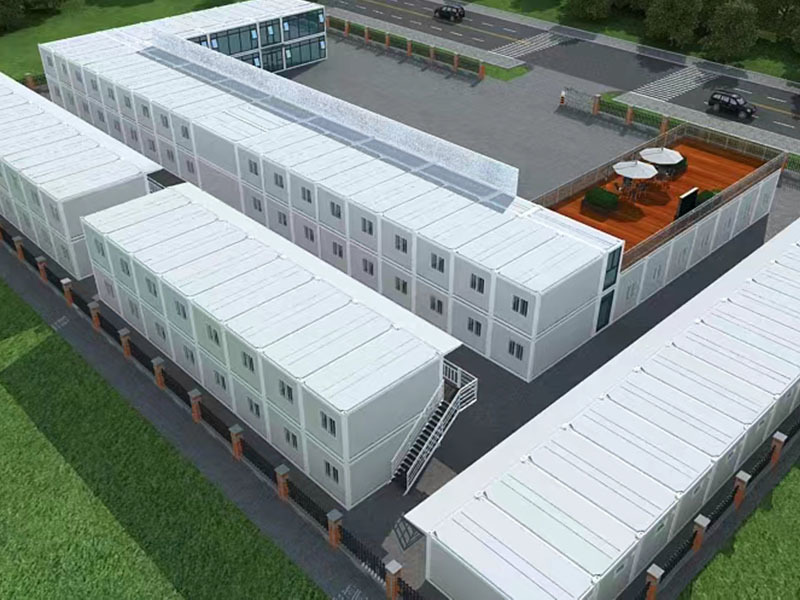
Modular office buildings are prefabricated structures that are manufactured off-site and then assembled at the final location. This construction method has gained traction in recent years due to its many advantages, making it an appealing choice for businesses looking for flexible and efficient office solutions. One of the most significant benefits of modular office buildings is their speed of con
One of the most significant benefits of modular office buildings is their speed of construction. Traditional building methods can take months or even years to complete. In contrast, modular buildings can often be erected in a fraction of that time because the modules are built simultaneously with site preparation. This rapid deployment allows businesses to move into their new spaces more quickly, minimizing disruption to their operations.
Another advantage is the flexibility that modular designs offer. Businesses can easily expand or reconfigure their office layouts as their needs change. This adaptability is particularly valuable for companies experiencing growth or those looking to optimize their workspace for different functions. By using modular components, businesses can add or remove sections of their office without the need for extensive renovations.
Sustainability is also a key feature of modular office buildings. The controlled environment in which the modules are constructed helps reduce waste and ensures a higher level of quality control. Additionally, many modular buildings are designed with energy-efficient features that reduce their environmental impact. By incorporating sustainable materials and technologies, businesses can create a workspace that not only meets their needs but also aligns with their commitment to environmental responsibility.
Cost-effectiveness is another critical factor driving the adoption of modular office buildings. The streamlined construction process often results in lower labor costs and reduced overhead expenses. Furthermore, businesses can save on future operational costs through energy-efficient designs and materials. This combination of lower initial investment and long-term savings makes modular office buildings an attractive option for many organizations.
In conclusion, modular office buildings represent a forward-thinking solution for modern work environments. Their speed of construction, flexibility, sustainability, and cost-effectiveness make them an excellent choice for businesses of all sizes. As the demand for innovative and efficient office spaces continues to grow, modular buildings are likely to play an increasingly prominent role in the construction industry. By understanding the features and benefits of these structures, businesses can make informed decisions that will support their growth and success in the ever-evolving landscape of workspaces.
Key words:
What Else Might You Learn?



Can't find the service you're looking for? Contact us!
To inquire about our products, please leave your email to us and we will contact you within 24 hours.
Add
Wen 'an County, Langfang City, Hebei Province, China