Welcome to Hebei Luban Metal Structure Co., LTD.



Exploring the Innovative World of Container Apartment Buildings
Release Time:
Feb 24,2026
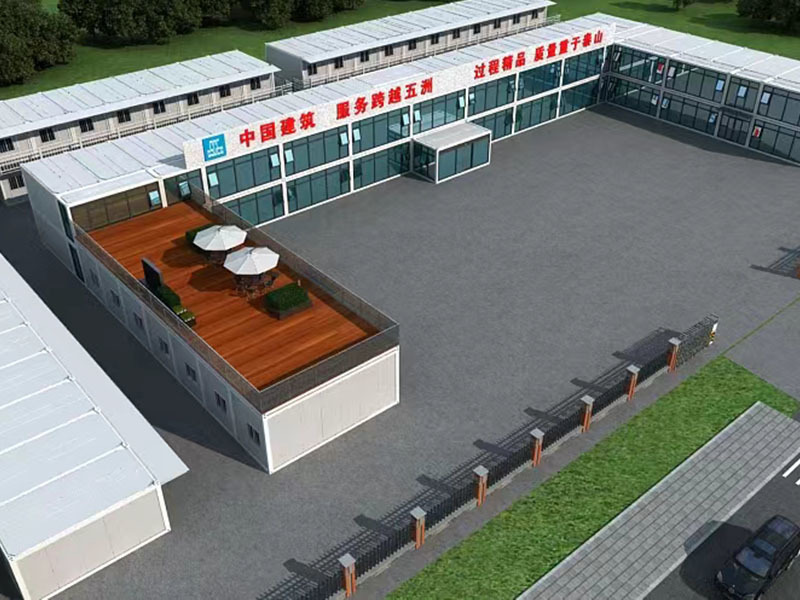
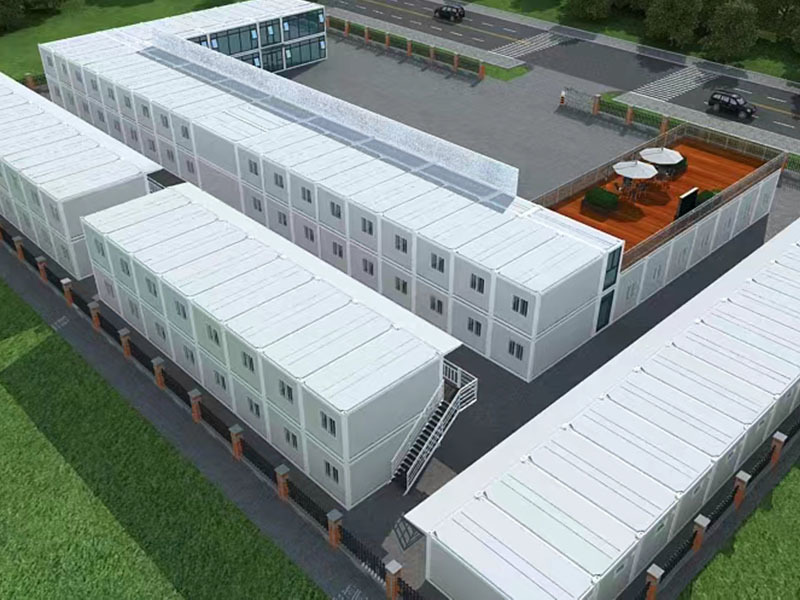
Container apartment buildings have gained significant attention in recent years as a viable solution to urban housing shortages and sustainability challenges. Utilizing repurposed shipping containers, this innovative architectural concept transforms these steel boxes into functional, stylish living spaces. The shift towards container-based construction is primarily driven by the need for affordabl
One of the most compelling advantages of container apartment buildings is their sustainability. By recycling used shipping containers, builders are reducing waste and minimizing the demand for new materials. This approach not only conserves resources but also significantly decreases the carbon footprint associated with traditional construction methods. Additionally, these buildings can often be completed in a shorter timeframe compared to conventional structures, allowing for quicker occupancy.
Container apartments are also remarkably versatile. The modular nature of shipping containers allows for easy stacking and arrangement to create unique layouts. Architects and designers can customize these structures to meet specific needs, whether for single-family homes or multi-unit dwellings. This flexibility means that container apartment buildings can be adapted to fit various urban landscapes, from bustling cities to remote areas.
Furthermore, container apartment buildings can be equipped with various energy-efficient technologies, such as solar panels and green roofs, enhancing their sustainability credentials. These features not only reduce utility costs for residents but also contribute to a healthier living environment. Many designs incorporate large windows and open floor plans, maximizing natural light and space, which are essential elements for comfortable living.
In terms of safety and durability, shipping containers are engineered to withstand harsh conditions at sea, making them a robust building material. With proper insulation and weatherproofing, these structures can provide comfortable living conditions year-round. Additionally, container apartment buildings are often more resistant to pests and fire compared to traditional wood-frame constructions.
Despite the numerous advantages, there are some challenges to consider. Local regulations regarding zoning and building codes can complicate the development process. It’s essential for developers to work closely with local authorities to ensure compliance. Moreover, while container apartments can be a cost-effective solution, the initial investment in land and utilities can vary, affecting overall affordability.
In conclusion, container apartment buildings offer a modern, sustainable solution to the growing demand for affordable housing in urban areas. Their versatility, quick construction time, and minimal environmental impact make them an attractive option for both developers and residents. As urban populations continue to rise, embracing innovative building methods like container apartments could play a pivotal role in addressing housing challenges.
Key words:
What Else Might You Learn?



Can't find the service you're looking for? Contact us!
To inquire about our products, please leave your email to us and we will contact you within 24 hours.
Add
Wen 'an County, Langfang City, Hebei Province, China