Welcome to Hebei Luban Metal Structure Co., LTD.



Transform Your Living Space: The Benefits of Box Container Homes
Release Time:
Feb 19,2026
Transform Your Living Space: The Benefits of Box Container Homes Table of Contents 1. Introduction to Box Container Homes 2. The Rise of Container Living 3. Key Benefits of Box Container Homes 3.1 Affordability: Cost-Effective Living Solutions 3.2 Sustainability: Eco-Friendly Housing Alternatives 3.3 Versatility: Customization and Design Flexibility 3.4 Quick Construction: Speeding
Transform Your Living Space: The Benefits of Box Container Homes
Table of Contents
1. Introduction to Box Container Homes
2. The Rise of Container Living
3. Key Benefits of Box Container Homes
3.1 Affordability: Cost-Effective Living Solutions
3.2 Sustainability: Eco-Friendly Housing Alternatives
3.3 Versatility: Customization and Design Flexibility
3.4 Quick Construction: Speeding Up the Building Process
3.5 Mobility: The Freedom to Relocate
4. Designing Your Box Container Home
4.1 Choosing the Right Container
4.2 Creative Interior Layouts
4.3 Outdoor Spaces: Enhancing Your Container Home
5. Challenges and Considerations
5.1 Zoning Laws and Building Codes
5.2 Insulation and Climate Adaptation
6. Real-Life Examples of Box Container Homes
7. Frequently Asked Questions (FAQs)
8. Conclusion
1. Introduction to Box Container Homes
Box container homes are revolutionizing the way we think about residential living. By utilizing repurposed shipping containers, homeowners can create unique, stylish living spaces that meet modern standards of comfort and functionality. This article delves into the many benefits of box container homes, outlining why they are becoming an increasingly popular choice for individuals and families alike.
2. The Rise of Container Living
As urban populations grow, the need for innovative housing solutions has become more pressing. Box container homes have emerged as a sustainable and practical alternative to traditional housing options. Their modular nature allows for quick assembly and repurposing, which is particularly relevant in today's fast-paced world. Plus, as more people prioritize eco-friendly living, container homes fit perfectly into the green building movement.
3. Key Benefits of Box Container Homes
Box container homes offer a myriad of advantages that make them an appealing choice for many homeowners. Let's explore some of the key benefits in detail.
3.1 Affordability: Cost-Effective Living Solutions
One of the most significant advantages of box container homes is their affordability. Traditional homes often come with hefty price tags due to land costs, materials, and labor. In contrast, box container homes can be constructed for a fraction of the price. With prices starting as low as $1,500 for a used container, and total home construction costs often ranging between $10,000 to $50,000, they provide an attractive option for budget-conscious individuals looking for creative living spaces.
3.2 Sustainability: Eco-Friendly Housing Alternatives
Container homes are inherently sustainable, as they repurpose industrial materials that would otherwise contribute to landfill waste. Emphasizing green living, these homes often use recycled elements in their designs, further reducing their environmental footprint. Additionally, they can be equipped with solar panels, rainwater harvesting systems, and other green technologies that promote sustainable living.
3.3 Versatility: Customization and Design Flexibility
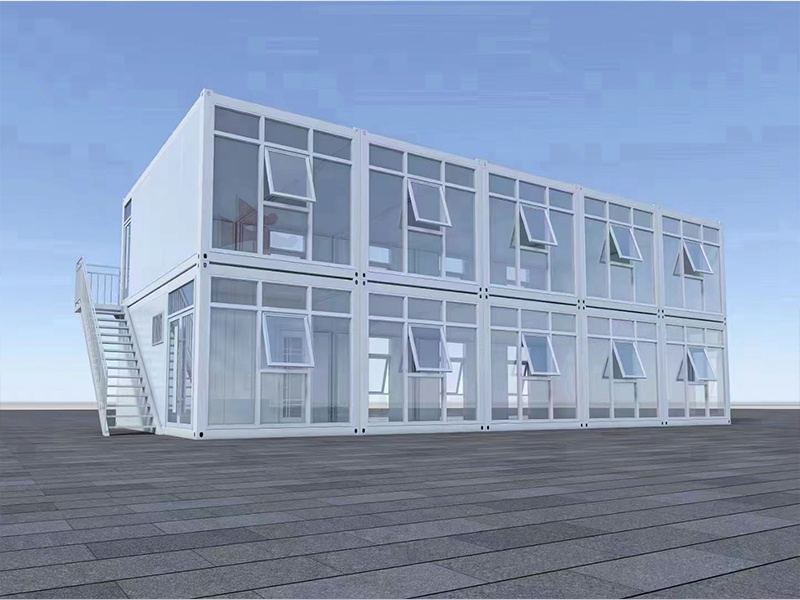
Box container homes are incredibly versatile, accommodating various design styles and layouts. Homeowners can combine multiple containers to create expansive living spaces or utilize a single container for a compact home. The interior can be customized to fit individual tastes and needs, ranging from minimalist to luxurious designs. This level of flexibility makes it easy to create a unique living environment tailored to your preferences.
3.4 Quick Construction: Speeding Up the Building Process
The construction of box container homes is significantly faster than traditional home building. With a modular design, many aspects of the construction process can occur concurrently, reducing the overall timeline. In many cases, a container home can be completed within a few months, allowing homeowners to move in sooner and start enjoying their new space.
3.5 Mobility: The Freedom to Relocate
Another compelling aspect of box container homes is their mobility. Unlike traditional homes, which are fixed in one location, container homes can be transported to different sites. This feature appeals to individuals who crave flexibility in their living arrangements or those who wish to travel. Whether you're looking for a vacation home or a full-time residence, a box container home can adapt to your lifestyle.
4. Designing Your Box Container Home
Designing your box container home is an exciting process that allows for creativity and personalization. Below are key factors to consider when planning your container home.
4.1 Choosing the Right Container
Selecting the right container is crucial for your project. Standard containers come in 20-foot and 40-foot lengths, with variations in height. Depending on your design goals, consider factors such as size, condition, and structural integrity. It’s advisable to purchase containers that are certified and inspected to ensure safety and durability.
4.2 Creative Interior Layouts
The interior layout of your container home plays a vital role in maximizing space and functionality. Open floor plans are popular, allowing for a seamless flow between living areas. Consider incorporating multifunctional furniture, such as fold-out couches and expandable tables, to save space while maintaining comfort. Additionally, focusing on natural light through large windows and skylights can enhance the ambiance and make the space feel larger.
4.3 Outdoor Spaces: Enhancing Your Container Home
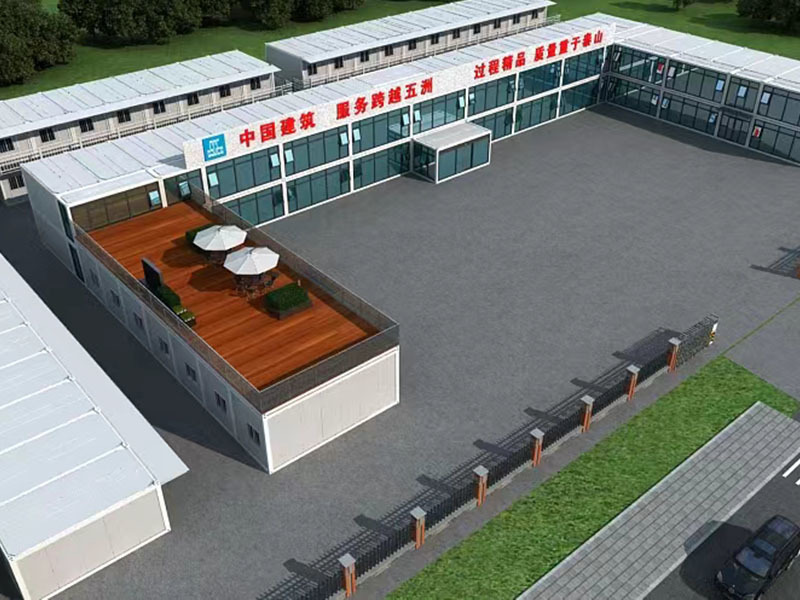
To truly transform your living experience, consider the outdoor spaces surrounding your box container home. Decks, patios, and gardens can significantly enhance your living area, providing opportunities for relaxation and entertainment. Incorporating landscaping and outdoor furniture can create a welcoming environment that complements your container home's unique design.
5. Challenges and Considerations
While box container homes offer numerous benefits, there are challenges to consider in the planning and construction process.
5.1 Zoning Laws and Building Codes
Before embarking on your container home project, it's essential to research zoning laws and building codes in your area. Some regions have stringent regulations regarding alternative housing, which may impact your plans. Ensure compliance with local regulations to avoid delays or legal complications.
5.2 Insulation and Climate Adaptation
Containers are made of metal, which can lead to temperature fluctuations. Proper insulation is crucial to maintain comfort in your home, regardless of the climate. Consider using spray foam insulation or insulated panels to ensure your box container home remains comfortable year-round. Additionally, ventilation systems can help regulate airflow and prevent condensation.
6. Real-Life Examples of Box Container Homes
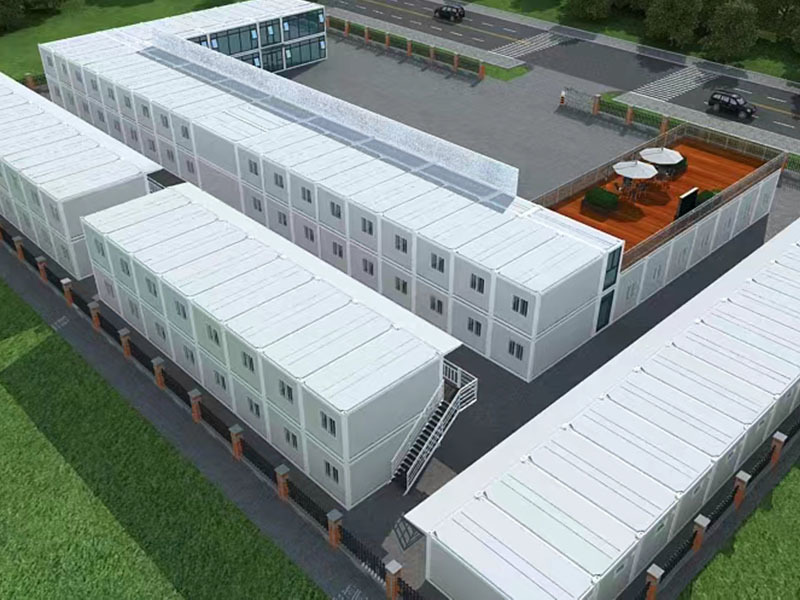
Many innovative box container homes have emerged around the globe, showcasing the potential of this housing solution. From minimalist designs in urban settings to luxurious retreats in nature, these homes demonstrate the versatility and creativity inherent in container living. Exploring these examples can inspire your design ideas and help you envision the possibilities for your own container home.
7. Frequently Asked Questions (FAQs)
1. Are box container homes safe?
Yes, box container homes can be constructed to meet safety standards. It's essential to work with professionals who are experienced in container home construction to ensure structural integrity and safety.
2. Can I build a container home in my backyard?
Building a container home in your backyard is possible, but you must check local zoning laws and building codes to ensure compliance.
3. How much does it cost to build a box container home?
The cost of building a box container home can vary widely based on size, design, and location. On average, most container homes range from $10,000 to $50,000.
4. How long do box container homes last?
With proper maintenance, box container homes can last several decades. Regular upkeep, including rust treatment and structural inspections, will prolong their lifespan.
5. Can I finance a box container home?
Yes, many lenders are now offering financing options specifically for alternative housing, including container homes. It's advisable to research and compare different loan options.
8. Conclusion
Box container homes offer a unique, sustainable, and affordable alternative to traditional housing. With their versatility and rapid construction times, they are becoming an increasingly popular choice for individuals looking to transform their living spaces. As we’ve explored in this article, the benefits of box container homes are plentiful, making them a compelling option for modern living. From eco-friendly design solutions to cost-effective construction, these homes provide a fresh perspective on what it means to create a comfortable and personalized living environment. Embrace the future of housing and consider how a box container home can transform your lifestyle today.
Key words:
What Else Might You Learn?



Can't find the service you're looking for? Contact us!
To inquire about our products, please leave your email to us and we will contact you within 24 hours.
Add
Wen 'an County, Langfang City, Hebei Province, China