Welcome to Hebei Luban Metal Structure Co., LTD.



Exploring the Intricacies of Inside Container Houses: A Comprehensive Guide
Release Time:
May 10,2025
The concept of inside container houses has gained momentum in the architecture and construction industry due to their unique advantages and versatility. These homes, primarily constructed from repurposed shipping containers, offer a sustainable and cost-effective alternative to traditional building methods. When considering an inside container house, there are several key aspects to keep in mind.
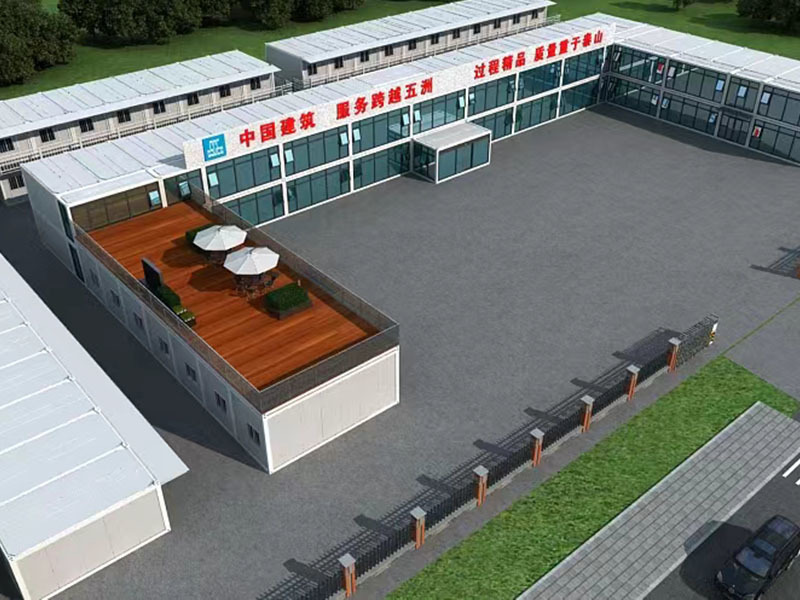
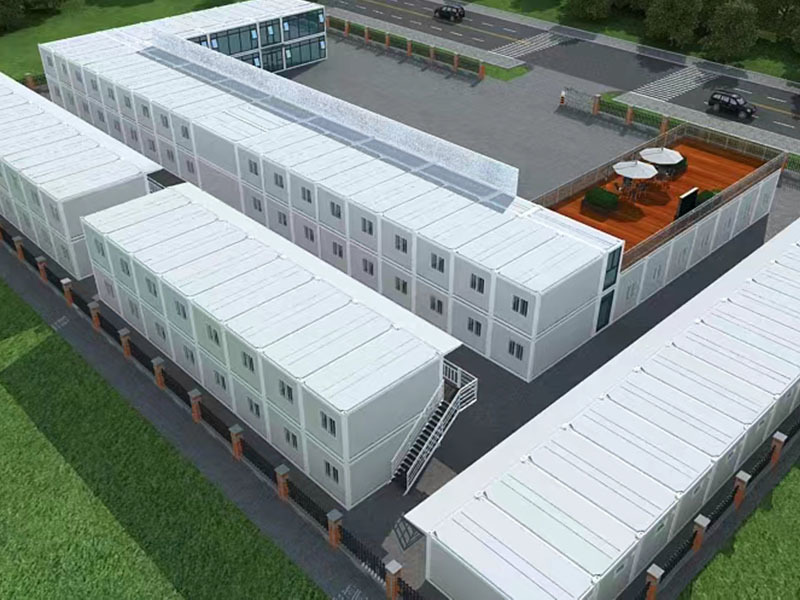
First and foremost, the design flexibility of container houses is remarkable. The modular nature of shipping containers allows architects and builders to create a multitude of configurations. Owners can choose to stack containers, arrange them side by side, or even modify individual containers to meet specific spatial requirements. This adaptability makes it easier to create bespoke living spaces tailored to individual needs and preferences.
From an engineering perspective, the structural integrity of container houses is particularly appealing. Shipping containers are designed to withstand harsh maritime environments, making them inherently resilient. When properly insulated and modified, these containers can provide a comfortable living environment regardless of external weather conditions. Moreover, they can be easily adapted to include features such as large windows, skylights, and open floor plans, enhancing the overall aesthetic appeal.
In terms of interior design, inside container houses offer countless opportunities for creativity. Clever use of space is essential, and professionals often recommend employing multifunctional furniture and open layouts to maximize usability. Incorporating natural materials, such as wood and stone, can also help soften the industrial look of the containers, creating a warm and inviting atmosphere.
Sustainability is another critical aspect driving the interest in inside container houses. By repurposing containers that would otherwise contribute to landfill waste, homeowners can significantly reduce their ecological footprint. Furthermore, these houses can be outfitted with energy-efficient appliances and renewable energy sources, such as solar panels, to promote a greener lifestyle.
It's also worth noting that building an inside container house can expedite construction timelines. Unlike traditional homes, which can take months or even years to complete, container houses can often be assembled within a matter of weeks. This speed is beneficial for those looking to minimize disruption and swiftly move into their new living spaces.
In conclusion, inside container houses represent a fascinating intersection of sustainability, design, and functionality within the building and decoration materials industry. As more people seek alternative housing solutions, understanding the intricacies of container homes can provide valuable insights for both professionals and clients alike. By embracing this innovative approach, the construction industry can pave the way for a more sustainable and creative future.
Key words:
What Else Might You Learn?



Can't find the service you're looking for? Contact us!
To inquire about our products, please leave your email to us and we will contact you within 24 hours.
Add
Wen 'an County, Langfang City, Hebei Province, China