Welcome to Hebei Luban Metal Structure Co., LTD.



Unlocking the Benefits of Prefabricated Offices: A Modern Approach to Workspace Solutions
Release Time:
Mar 31,2025
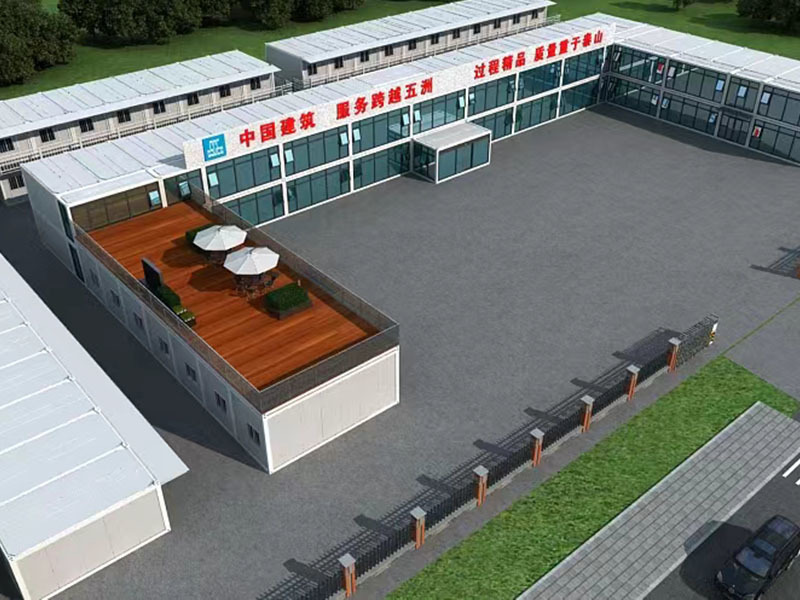
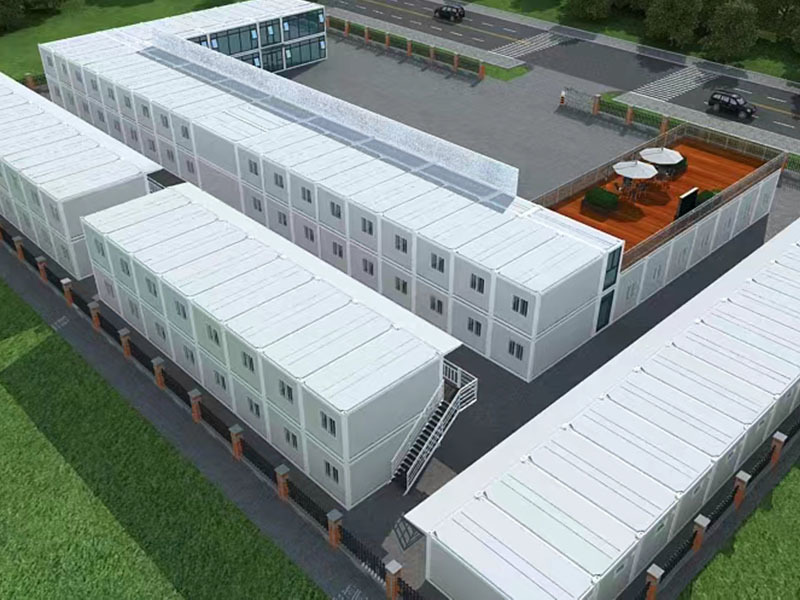
Prefabricated offices are revolutionizing the way we think about workspace design and construction. Unlike traditional buildings, which require lengthy timelines and significant resources, prefabricated offices are constructed off-site in controlled environments and are then delivered to the desired location for installation. This innovative approach offers several advantages that can greatly bene
One of the primary benefits of prefabricated offices is speed. The modular construction process allows these structures to be built much more quickly than conventional buildings. This means businesses can move into their new workspace sooner, minimizing downtime and allowing for quicker operational deployment. For companies facing urgent space needs or those in rapidly changing industries, the speed of prefabricated offices can be a game-changer.
Additionally, prefabricated offices are highly customizable. They can be designed to suit specific requirements and preferences, from layout and size to aesthetic finishes. This level of customization ensures that businesses can create an environment that reflects their brand identity while meeting the functional needs of their employees. Features such as open layouts, private meeting rooms, and collaborative spaces can all be integrated into the design, enhancing overall productivity and workplace satisfaction.
Another significant advantage of prefabricated offices is their sustainability. The construction process generates less waste compared to traditional building methods, as components are manufactured under controlled conditions. Additionally, many prefabricated offices are designed with energy efficiency in mind, incorporating sustainable materials and practices. This not only benefits the environment but can also lead to lower operational costs for companies through reduced energy consumption.
Cost-effectiveness is another critical factor that makes prefabricated offices appealing. While initial costs can vary, the overall expenditure associated with construction, maintenance, and operational efficiency often results in significant savings over time. Businesses can allocate their resources more effectively, investing in other areas of growth rather than being tied down by lengthy construction projects.
Moreover, the flexibility of prefabricated offices is unmatched. They can be easily expanded, relocated, or reconfigured as business needs evolve. This adaptability is particularly advantageous for companies that may experience fluctuating demands for space. Whether it's scaling up to accommodate a growing workforce or downsizing during leaner times, prefabricated offices provide the necessary versatility to navigate these changes seamlessly.
In conclusion, prefabricated offices represent a modern solution to the challenges of traditional workspace construction. With benefits ranging from quick installation and customization to sustainability and cost savings, they are an attractive option for businesses looking to enhance their workspace efficiency. By embracing this innovative approach, companies can create functional, adaptable environments that support their goals and foster a positive workplace culture.
Key words:
What Else Might You Learn?



Can't find the service you're looking for? Contact us!
To inquire about our products, please leave your email to us and we will contact you within 24 hours.
Add
Wen 'an County, Langfang City, Hebei Province, China