Welcome to Hebei Luban Metal Structure Co., LTD.



Exploring the Benefits of Container Buildings for Sustainable Living
Release Time:
Mar 26,2025
Exploring the Benefits of Container Buildings for Sustainable Living Table of Contents 1. Introduction to Container Buildings 2. The Sustainability Factor 2.1 Eco-Friendly Materials 2.2 Energy Efficiency 3. Affordability of Container Homes 4. Design Flexibility and Customization 4.1 Aesthetic Appeal 4.2 Fun
Exploring the Benefits of Container Buildings for Sustainable Living
Table of Contents
- 1. Introduction to Container Buildings
- 2. The Sustainability Factor
- 3. Affordability of Container Homes
- 4. Design Flexibility and Customization
- 5. Quick Construction and Mobility
- 6. Durability and Longevity
- 7. Community Initiatives and Container Buildings
- 8. The Future of Container Buildings
- 9. Frequently Asked Questions
- 10. Conclusion
1. Introduction to Container Buildings
In recent years, container buildings have emerged as a popular solution for those seeking sustainable living options. Utilizing repurposed shipping containers, these structures not only serve as homes but also represent a significant step towards eco-friendly construction practices. With increasing awareness about environmental issues, the unique advantages of container buildings have garnered considerable attention from both homeowners and builders alike.
2. The Sustainability Factor
Sustainability is at the heart of the container building movement. As we explore the benefits of these structures, it's essential to understand their role in promoting a greener planet.
2.1 Eco-Friendly Materials
Container buildings primarily use shipping containers that are often discarded after they reach the end of their shipping life. By repurposing these containers, we reduce waste and minimize the demand for new materials. This practice not only conserves resources but also lowers the overall carbon footprint associated with construction.
2.2 Energy Efficiency
One of the significant advantages of container homes is their potential for energy efficiency. These buildings can be designed with energy-efficient materials, including high-quality insulation and energy-efficient windows. With the right design, container buildings can maintain comfortable indoor temperatures, reducing the need for heating and cooling systems. This not only saves energy but also lowers utility bills for homeowners.
3. Affordability of Container Homes
Container buildings offer a cost-effective alternative to traditional home construction. The low initial cost of shipping containers allows homeowners to invest less in their living spaces without sacrificing quality. Furthermore, the reduced construction time translates to lower labor costs, making container homes an attractive option for individuals on a budget.
4. Design Flexibility and Customization
One of the most compelling reasons to consider a container building is the design flexibility it offers. Unlike traditional homes, container buildings can be easily modified to suit individual preferences and needs.
4.1 Aesthetic Appeal
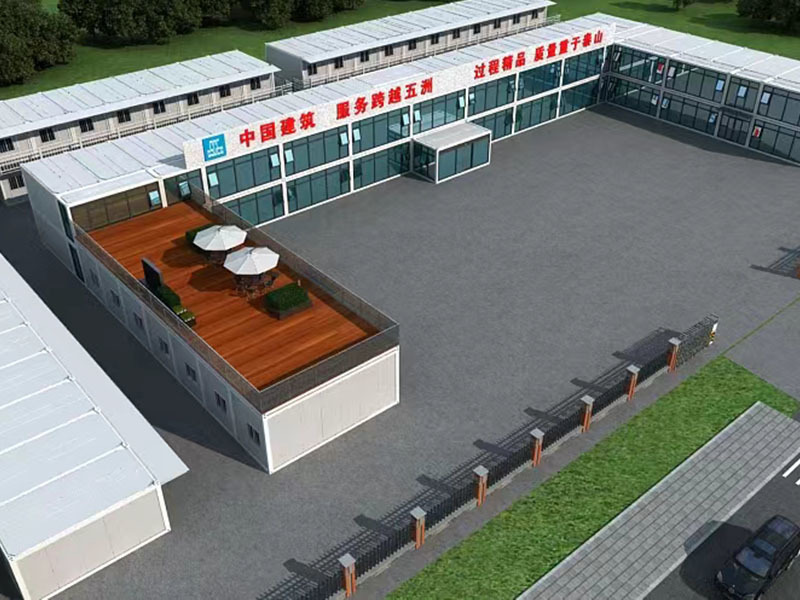
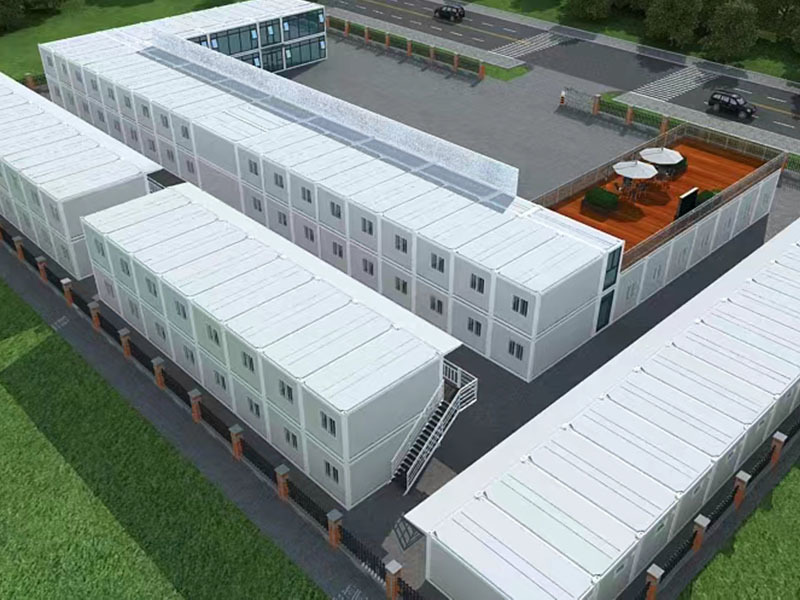
Container homes can be transformed into stunning living spaces with creative design elements. Architects and designers have embraced container buildings, often combining multiple containers for a unique architectural look. From modern minimalist designs to rustic aesthetics, the possibilities are virtually endless.
4.2 Functional Design
Container buildings can be designed for various functions, including residential homes, offices, and even commercial spaces. This adaptability allows individuals to create spaces that fit their lifestyles perfectly, whether that means a cozy home, a vibrant workspace, or a combination of both.
5. Quick Construction and Mobility
The construction timeline for container buildings is significantly shorter than traditional homes. Since the containers are prefabricated, they can be delivered to the site and assembled quickly. This speed is particularly beneficial for those who need a home in a short amount of time or for areas that require rapid housing solutions, such as disaster relief efforts.
Moreover, container buildings can be relocated with relative ease. If homeowners wish to move, they can take their container homes with them, providing unparalleled flexibility.
6. Durability and Longevity
Shipping containers are designed to withstand harsh weather conditions during their travels across the seas. This durability translates well to their use in construction, making container buildings resilient and long-lasting. With proper maintenance, these structures can last for decades, providing homeowners with a reliable and sturdy living environment.
7. Community Initiatives and Container Buildings
Container buildings are not just about individual living spaces; they also play a crucial role in community initiatives. Many communities are adopting container structures for affordable housing projects, community centers, and even schools. These initiatives encourage sustainable living and foster a sense of community, proving that container buildings can be a viable solution for various social needs.
8. The Future of Container Buildings
As urbanization continues to rise, the demand for sustainable living solutions will only grow. Container buildings are poised to play a vital role in this future. Innovations in design, construction techniques, and sustainability practices are making container homes increasingly appealing to a broader audience. With advancements in technology, we can expect even more efficient and eco-friendly container solutions in the years to come.
9. Frequently Asked Questions
What are the primary benefits of container buildings?
Container buildings offer eco-friendliness, affordability, design flexibility, quick construction, and durability, making them a great choice for sustainable living.
How much does it cost to build a container home?
The cost of building a container home varies significantly based on design, location, and finishes, but they are generally more affordable than traditional homes.
Can container homes be customized?
Yes, container homes can be extensively customized to fit individual needs and preferences, from layout and size to aesthetic design.
Are container buildings safe?
When designed and built properly, container buildings meet safety standards and can be just as safe as traditional homes.
How long do container buildings last?
With proper maintenance, container buildings can last for decades, making them a durable and long-term housing solution.
10. Conclusion
Container buildings represent a transformative approach to sustainable living. With their unique blend of affordability, durability, and design flexibility, they are paving the way for a greener future. Embracing container structures can help individuals not only reduce their environmental impact but also create beautiful, functional spaces tailored to their needs. As we continue to seek innovative solutions to housing and sustainability, container buildings stand out as a practical and visionary choice.
Key words:
What Else Might You Learn?



Can't find the service you're looking for? Contact us!
To inquire about our products, please leave your email to us and we will contact you within 24 hours.
Add
Wen 'an County, Langfang City, Hebei Province, China