Welcome to Hebei Luban Metal Structure Co., LTD.



Transform Your Project with Versatile Construction Containers: The Ultimate Guide
Release Time:
Mar 06,2025
Transform Your Project with Versatile Construction Containers Table of Contents 1. Introduction to Construction Containers 2. Key Benefits of Using Construction Containers 3. Diverse Applications of Construction Containers 4. Different Types of Construction Containers 5. Designing Your Space with Construction Containers 6. The Sustainability Aspect of Construction Containers 7. Cost
Transform Your Project with Versatile Construction Containers
Table of Contents
- 1. Introduction to Construction Containers
- 2. Key Benefits of Using Construction Containers
- 3. Diverse Applications of Construction Containers
- 4. Different Types of Construction Containers
- 5. Designing Your Space with Construction Containers
- 6. The Sustainability Aspect of Construction Containers
- 7. Cost-Effectiveness of Construction Containers
- 8. Frequently Asked Questions
- 9. Conclusion
1. Introduction to Construction Containers
In the rapidly evolving world of construction, **versatile construction containers** have emerged as essential tools for modern builders, architects, and project managers. These innovative structures provide flexibility and efficiency, allowing teams to adapt to changing project needs seamlessly. From storage solutions to fully functional workspaces, construction containers serve multiple purposes that can transform your project landscape.
Understanding the role of construction containers is crucial for anyone involved in construction and renovations. They not only optimize space but also enhance workflow, making them indispensable in today’s building industry.
2. Key Benefits of Using Construction Containers
Construction containers offer a wide array of benefits that make them a popular choice for various projects. Here are some of the key advantages:
2.1. Flexibility and Adaptability
One of the most compelling aspects of construction containers is their inherent **flexibility**. They can be easily modified or relocated, accommodating various project requirements. Whether it’s for temporary storage or as a permanent structure, these containers adapt to your needs.
2.2. Cost-Effectiveness
Construction containers are often more affordable than traditional building materials and structures. The **initial investment** is lower, and they can reduce overall project costs by minimizing the need for additional storage solutions and onsite facilities.
2.3. Quick Setup and Mobility
Unlike traditional construction methods that can take weeks or even months, construction containers can be set up in a matter of days. Their mobility allows you to transport them easily to different sites, providing a **convenient solution** for projects that require temporary structures.
2.4. Durability and Security
Built from robust materials, construction containers are designed to withstand harsh weather conditions and potential hazards. They offer exceptional **security** for tools, equipment, and materials, ensuring that your assets are protected on the job site.
3. Diverse Applications of Construction Containers
The versatility of construction containers allows them to be utilized in various applications across different industries. Some notable applications include:
3.1. Storage Solutions
Construction containers are primarily used for **storage**, providing a secure and weather-resistant space for tools, equipment, and materials. Their ability to keep items organized and accessible enhances efficiency on the job site.
3.2. Mobile Offices
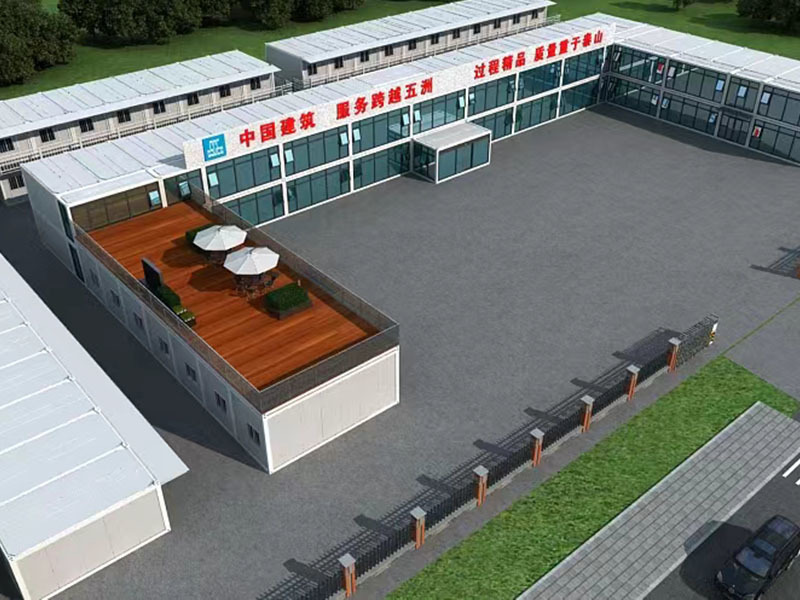
Transforming a construction container into a mobile office is a popular trend. This solution provides a space for project managers and teams to conduct meetings, manage paperwork, and maintain communication right on the job site.
3.3. Temporary Housing
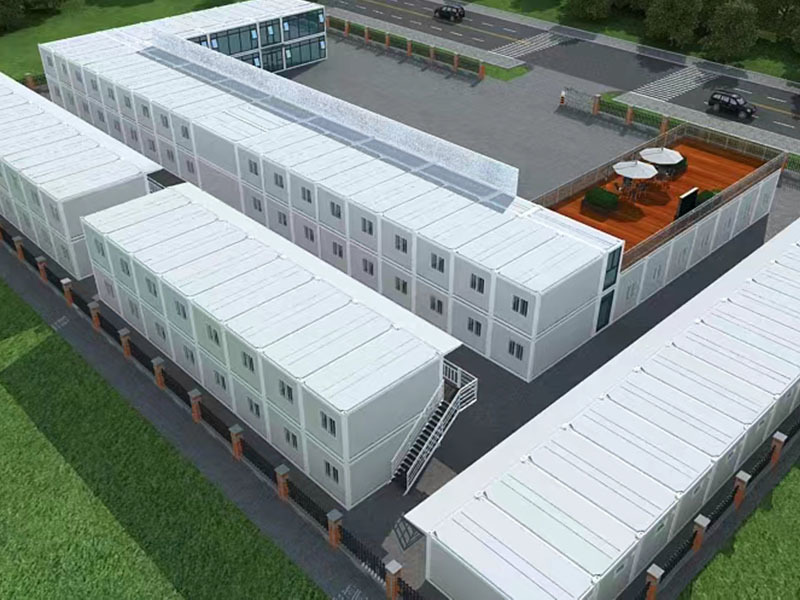
In remote areas or during large projects, construction containers can be converted into **temporary housing** units for workers. This ensures that employees have a comfortable place to stay, contributing to better morale and productivity.
3.4. Retail Spaces and Pop-up Shops
Construction containers are increasingly being used in the retail sector to create **pop-up shops** or temporary retail spaces. Their unique appearance can draw customers while providing a functional shop layout.
3.5. Event Venues
Containers can be transformed into unique event venues for festivals, exhibitions, and corporate events. They offer a distinct and memorable atmosphere that can enhance the overall experience for attendees.
4. Different Types of Construction Containers
When considering construction containers for your project, it's essential to understand the different types available. Each type serves unique purposes and comes with its own set of features.
4.1. Standard Shipping Containers
These are the most common types used in construction. They come in various sizes and are easily transportable. Their robust structure makes them ideal for storage and temporary offices.
4.2. Refrigerated Containers
Refrigerated containers are perfect for projects requiring temperature-controlled environments, such as food storage or medical supplies. They ensure that sensitive materials remain within specified temperature ranges.
4.3. High Cube Containers
High cube containers offer extra vertical space, making them suitable for projects that require more storage capacity. They are often used for storing oversized equipment or materials.
4.4. Modified Containers
These containers are custom-built to meet specific project needs. Whether it’s adding windows, doors, or insulation, modified containers can provide tailored solutions for various applications.
5. Designing Your Space with Construction Containers
When integrating construction containers into your project, thoughtful design is crucial for maximizing their potential.
5.1. Layout Considerations
The layout of your container setup should prioritize functionality. Consider the workflow of your team and the accessibility of materials and equipment. Creating a logical flow can significantly enhance efficiency.
5.2. Aesthetic Enhancements
While functionality is essential, aesthetics also matter. Adding paint, signage, or exterior finishes can transform the appearance of your containers, making them more appealing and inviting.
5.3. Sustainability Features
Incorporating sustainable features, such as solar panels or rainwater harvesting systems, can enhance the environmental friendliness of your construction containers. This not only contributes to sustainability but can also reduce operational costs.
6. The Sustainability Aspect of Construction Containers
Sustainability is a growing concern in the construction industry, and construction containers offer several eco-friendly benefits.
6.1. Reduced Waste
Using existing containers helps reduce the demand for new materials, thereby minimizing construction waste. By repurposing these containers, projects can contribute to a more sustainable future.
6.2. Energy Efficiency
With the right modifications, construction containers can be energy-efficient spaces. Insulating them properly and using renewable energy sources can decrease energy consumption and costs.
6.3. Promoting Circular Economy
The use of construction containers promotes a circular economy by extending the lifecycle of materials. When containers are no longer needed, they can be repurposed or recycled, further reducing environmental impact.
7. Cost-Effectiveness of Construction Containers
One of the most attractive aspects of construction containers is their cost-effectiveness. Here’s how they provide financial advantages:
7.1. Lower Initial Costs
The cost of purchasing or renting a construction container is typically lower than building traditional structures. This makes them an attractive option for companies with budget constraints.
7.2. Reduced Labor Costs
The quick setup time of containers reduces labor costs associated with construction. Fewer workers are needed to transport and set up the containers compared to traditional building methods.
7.3. Long-Term Savings
Investing in construction containers can lead to long-term savings through their durability and reusability. They can serve multiple projects, allowing for cost recovery over time.
8. Frequently Asked Questions
8.1. What are construction containers made of?
Construction containers are primarily made from steel, which provides durability and resistance to weather elements.
8.2. How long do construction containers last?
With proper maintenance, construction containers can last for 25 years or more, making them a long-term investment.
8.3. Can construction containers be modified?
Yes, construction containers can be modified to meet specific needs, including adding windows, doors, and insulation.
8.4. Are construction containers environmentally friendly?
Yes, repurposing existing containers helps reduce waste and promotes sustainable practices in construction.
8.5. How do I transport construction containers?
Construction containers can be transported using specialized trucks or cranes, depending on their size and weight.
9. Conclusion
Versatile construction containers are revolutionizing the way we approach building and renovation projects. Their flexibility, cost-effectiveness, and diverse applications make them an invaluable asset in today’s construction landscape. By incorporating construction containers into your projects, you can enhance efficiency, promote sustainability, and adapt to changing needs seamlessly. As we move forward in the evolving world of construction, embracing innovative solutions like construction containers will undoubtedly play a pivotal role in shaping the future of our built environment.
Key words:
What Else Might You Learn?



Can't find the service you're looking for? Contact us!
To inquire about our products, please leave your email to us and we will contact you within 24 hours.
Add
Wen 'an County, Langfang City, Hebei Province, China