Welcome to Hebei Luban Metal Structure Co., LTD.



Enhancing Productivity Through Prefabricated Container Workspaces: A Modern Solution for Dynamic Work Environments
Release Time:
Aug 04,2024
Enhancing Productivity Through Prefabricated Container Workspaces Table of Contents 1. Introduction to Prefabricated Container Workspaces 2. The Rise of Container Workspaces in Modern Architecture 3. Key Advantages of Prefabricated Container Workspaces 3.1 Cost-Effectiveness and Budget Management 3.2 Speed of Construction and Deployment 3.3 Flexibility and Adaptability 4. Design Co
Enhancing Productivity Through Prefabricated Container Workspaces
Table of Contents
1. Introduction to Prefabricated Container Workspaces
2. The Rise of Container Workspaces in Modern Architecture
3. Key Advantages of Prefabricated Container Workspaces
3.1 Cost-Effectiveness and Budget Management
3.2 Speed of Construction and Deployment
3.3 Flexibility and Adaptability
4. Design Considerations for Container Workspaces
4.1 Space Optimization Techniques
4.2 Aesthetic Considerations and Branding
5. Implementing Prefabricated Container Workspaces in Various Industries
5.1 Construction and Project Management
5.2 Education and Training Facilities
5.3 Healthcare and Emergency Services
6. Challenges and Solutions in Container Workspace Implementation
7. Future Trends in Prefabricated Container Workspaces
8. Conclusion: The Future of Workspaces
1. Introduction to Prefabricated Container Workspaces
In today's fast-paced business environment, organizations are continually seeking innovative solutions to enhance productivity and efficiency. One of the most promising developments in this realm is the use of **prefabricated container workspaces**. These versatile structures offer an alternative to traditional office environments, catering to the evolving needs of modern businesses. This article delves into the features, benefits, and future of prefabricated container workspaces, exploring how they can significantly boost productivity.
2. The Rise of Container Workspaces in Modern Architecture
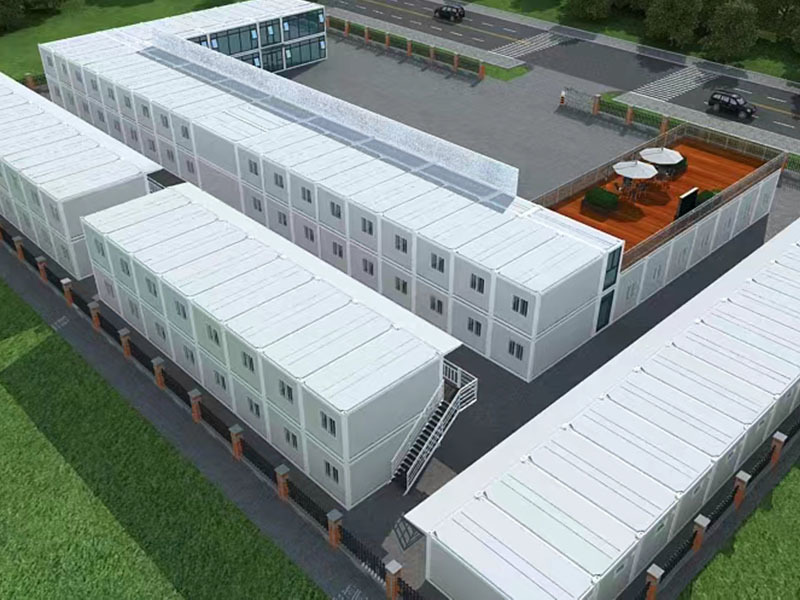
The adoption of **container workspaces** represents a significant shift in design philosophy within the architectural sector. Originally utilized for shipping and storage, containers have been repurposed into functional, stylish, and sustainable office spaces. This trend is driven by the need for quick, flexible solutions in urban areas where real estate costs are high, and space is limited. The **modular nature** of container workspaces allows for easy customization and scalability, making them an attractive option for businesses of all sizes.
3. Key Advantages of Prefabricated Container Workspaces
Prefabricated container workspaces come with numerous benefits that can lead to enhanced productivity. Understanding these advantages is crucial for organizations considering this innovative approach.
3.1 Cost-Effectiveness and Budget Management
One of the primary advantages of prefabricated container workspaces is their cost-effectiveness. Traditional office construction often involves substantial expenses related to labor, materials, and time. In contrast, container offices can be produced off-site and assembled quickly, reducing overall costs. Moreover, their durability minimizes maintenance expenses, making them a smart investment for businesses aiming to manage their budgets effectively.
3.2 Speed of Construction and Deployment
The **speed of construction** associated with container workspaces is another compelling advantage. Given that these structures are prefabricated, they can be delivered and set up in a fraction of the time required for conventional buildings. This rapid deployment allows companies to establish functional workspaces almost immediately, facilitating prompt responses to market demands and project needs.
3.3 Flexibility and Adaptability
Flexibility is a hallmark of prefabricated container workspaces. These structures can be easily modified to suit changing business requirements, whether that involves expanding the office space or reconfiguring the layout. This adaptability not only enhances operational efficiency but also allows companies to pivot swiftly in response to shifting market dynamics.
4. Design Considerations for Container Workspaces
Design plays a crucial role in the effectiveness of container workspaces. Carefully considering layout and aesthetics can significantly impact employee productivity and satisfaction.
4.1 Space Optimization Techniques
To maximize the utility of a container workspace, organizations should implement **space optimization techniques**. This may include creating open-plan areas for collaboration, utilizing multifunctional furniture, and ensuring adequate storage solutions. Thoughtful design can transform a compact container into a highly functional workspace that promotes productivity.
4.2 Aesthetic Considerations and Branding
Aesthetics matter in any work environment. Prefabricated container workspaces can be customized externally and internally to reflect a company's brand identity. By incorporating corporate colors, logos, and unique design elements, organizations can create a workspace that fosters a sense of belonging and boosts employee morale.
5. Implementing Prefabricated Container Workspaces in Various Industries
The versatility of prefabricated container workspaces allows them to be utilized in a variety of sectors. Below are three key industries where these structures are making a significant impact.
5.1 Construction and Project Management
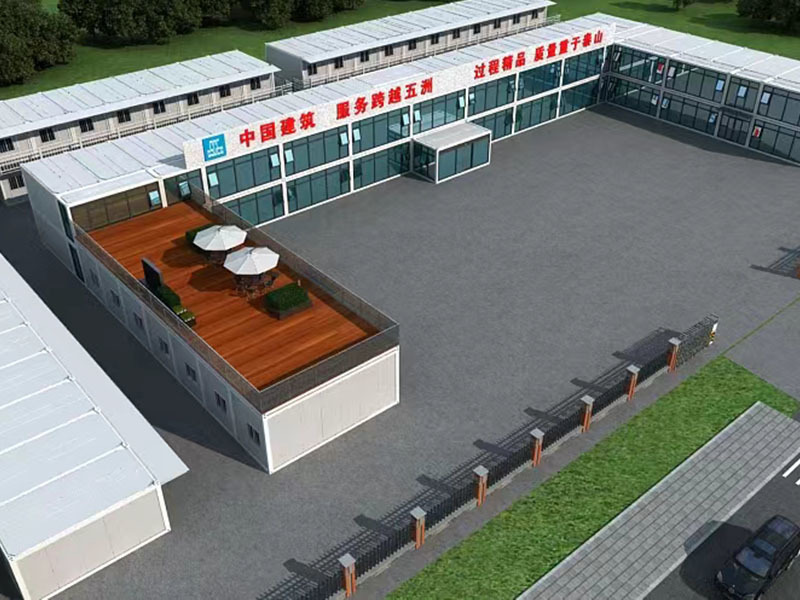
In the construction industry, container workspaces often serve as onsite offices. They provide project managers, architects, and engineers a dedicated space to coordinate operations, hold meetings, and manage project logistics. The mobility of these containers allows them to be relocated as projects progress, ensuring that teams remain close to the action.
5.2 Education and Training Facilities
Educational institutions are increasingly adopting container workspaces for temporary classrooms and training facilities. These adaptable spaces can be set up quickly to meet the needs of fluctuating student populations and training programs, ensuring that education remains uninterrupted.
5.3 Healthcare and Emergency Services
In emergency situations, prefabricated container workspaces can be rapidly deployed as temporary clinics or triage centers. Their mobility allows healthcare providers to set up operations in disaster-stricken areas swiftly, ensuring that they can respond effectively to urgent medical needs.
6. Challenges and Solutions in Container Workspace Implementation
While the benefits of prefabricated container workspaces are clear, there are challenges to consider. Addressing these potential obstacles is essential for successful implementation.
One challenge includes navigating **zoning regulations** and obtaining necessary permits. Organizations must work closely with local authorities to ensure that their container workspaces comply with building codes and regulations. Additionally, insulation and climate control can be concerns, particularly in extreme weather conditions. Investing in high-quality insulation materials and HVAC systems can mitigate these issues, ensuring that container workspaces remain comfortable year-round.
7. Future Trends in Prefabricated Container Workspaces
As the demand for flexible workspaces grows, several trends are likely to shape the future of prefabricated container workspaces. One emerging trend is the integration of **sustainable practices**, such as using recycled materials and incorporating solar panels for energy efficiency.
Furthermore, advancements in technology will enhance the functionality of container workspaces, with smart technology enabling better space management and connectivity. As remote and hybrid work models continue to gain popularity, the appeal of adaptable and mobile workspaces will only increase.
8. Conclusion: The Future of Workspaces
In conclusion, prefabricated container workspaces represent a revolutionary approach to modern office design. Their numerous advantages—including cost-effectiveness, rapid deployment, and flexibility—make them an ideal solution for businesses looking to enhance productivity. By understanding the unique benefits and challenges associated with these innovative spaces, organizations can make informed decisions about their workspace needs. As industries continue to evolve, embracing the potential of container workspaces will undoubtedly play a pivotal role in shaping the future of work environments.
FAQs
1. What are prefabricated container workspaces?
Prefabricated container workspaces are modular structures repurposed from shipping containers, designed to serve as functional office environments.
2. How long does it take to set up a container workspace?
Container workspaces can be set up in a matter of days to weeks, significantly quicker than traditional office constructions.
3. Are container workspaces environmentally friendly?
Yes, container workspaces often utilize recycled materials and can incorporate sustainable practices, making them a more eco-friendly option compared to conventional buildings.
4. Can container workspaces be customized?
Absolutely! Container workspaces can be tailored to meet specific business needs, including layout, aesthetics, and functionality.
5. What industries benefit from prefabricated container workspaces?
Several industries benefit from container workspaces, including construction, education, healthcare, and emergency services, among others.
By embracing prefabricated container workspaces, organizations can enhance productivity, adapt to changing needs, and position themselves for success in an ever-evolving business landscape.
Key words:
What Else Might You Learn?



Can't find the service you're looking for? Contact us!
To inquire about our products, please leave your email to us and we will contact you within 24 hours.
Add
Wen 'an County, Langfang City, Hebei Province, China