Welcome to Hebei Luban Metal Structure Co., LTD.



Exploring Modular Homes: The Innovative Use of Shipping Containers
Release Time:
Aug 07,2024
In recent years, the construction industry has witnessed a remarkable shift towards innovative building solutions, among which modular homes constructed from shipping containers have gained significant traction. These structures are not only an economical option but also present unique opportunities for sustainable living. Utilizing repurposed shipping containers for modular homes addresses both t
One of the primary benefits of modular homes from shipping containers is their sustainability. By repurposing old containers, we effectively reduce waste and minimize the carbon footprint associated with traditional building materials. This approach contributes to a circular economy, where materials are reused and recycled rather than discarded. Additionally, shipping containers are designed to withstand harsh marine environments, making them durable and resilient structures that can easily endure various weather conditions.
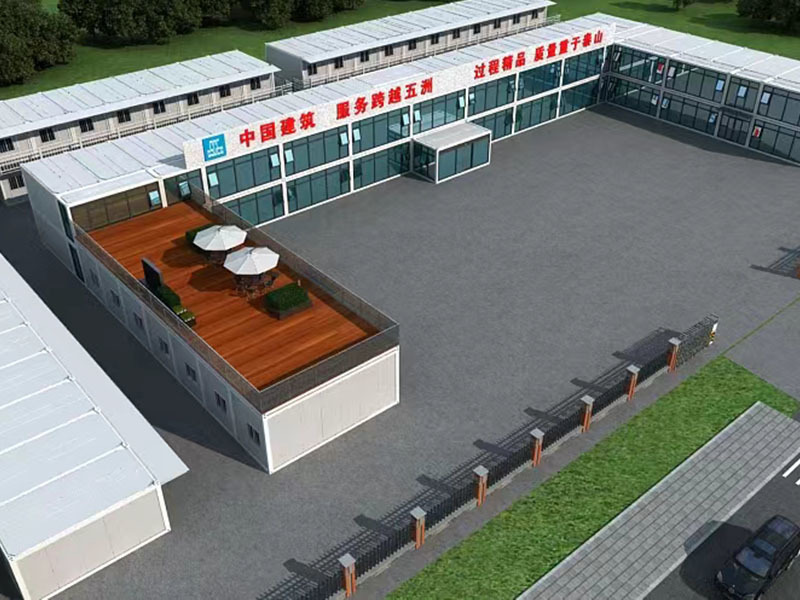
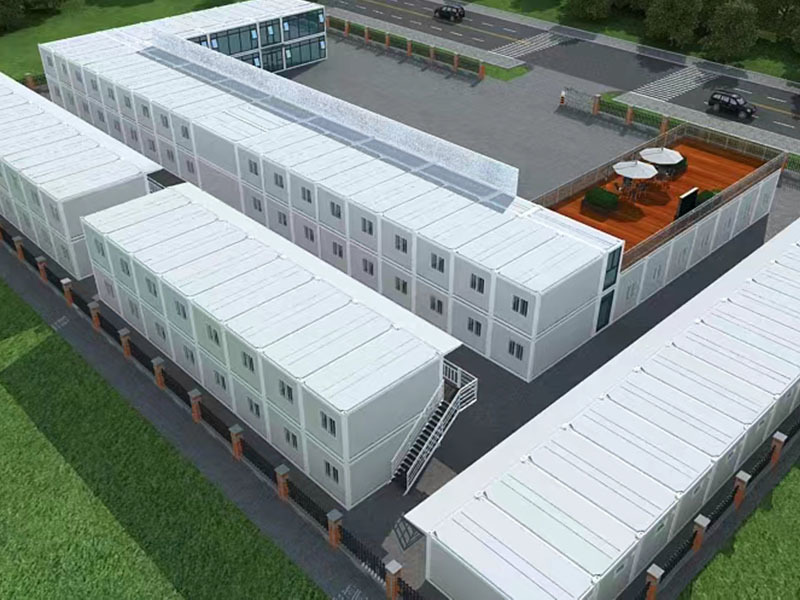
The versatile nature of shipping containers allows for endless design possibilities. Architects and builders can customize these modular homes in numerous ways to meet aesthetic preferences and functional needs. Whether you envision a compact living space or a multi-story residence, the modular nature of container homes enables greater flexibility in design compared to traditional construction methods. Furthermore, these homes can be stacked, arranged, and combined in various configurations, fostering creativity in urban planning and development.
Another advantage is the speed of construction. Modular homes built from shipping containers can significantly reduce build time. Since much of the construction can occur off-site, this method streamlines the process and minimizes disruptions at the building location. Once the containers are modified and finished, they can be easily transported and assembled on-site, often resulting in a faster move-in timeline for homeowners.
Cost-efficiency is also a key consideration. Building with shipping containers can lead to lower overall construction costs due to the reduced need for traditional building materials and labor. However, potential buyers and builders should conduct a thorough analysis to ensure that local regulations and zoning laws permit the installation of container homes, as these can vary significantly by location.
As the world continues to grapple with housing shortages, modular homes from shipping containers offer a promising solution that combines affordability, sustainability, and innovative design. By embracing this modern construction method, professionals in the building and decoration materials industry can contribute to a more sustainable future while meeting the evolving needs of society. Whether for individual homeowners or large-scale projects, the appeal of modular container homes is undeniable and represents a forward-thinking approach to modern living.
Key words:
What Else Might You Learn?



Can't find the service you're looking for? Contact us!
To inquire about our products, please leave your email to us and we will contact you within 24 hours.
Add
Wen 'an County, Langfang City, Hebei Province, China