Welcome to Hebei Luban Metal Structure Co., LTD.



Understanding Prefabricated Modular Container Houses: A Sustainable Solution for Modern Living
Release Time:
Aug 11,2024
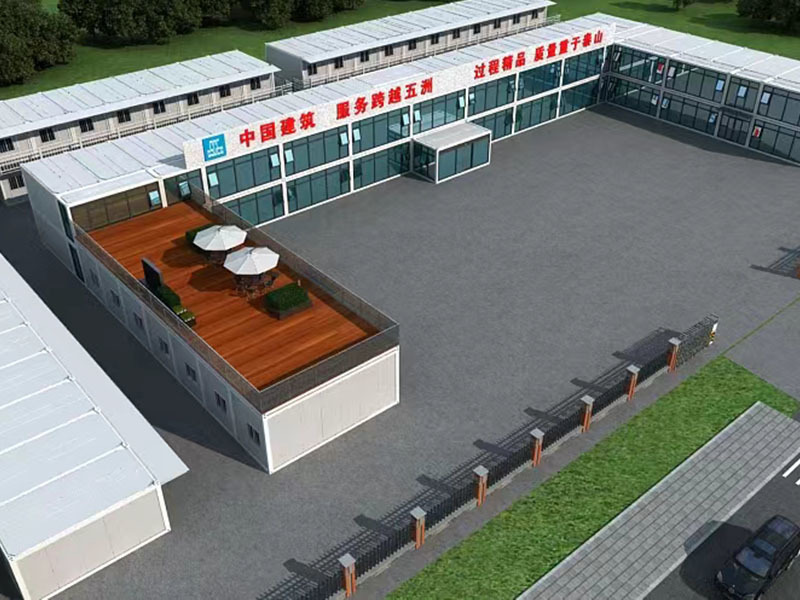
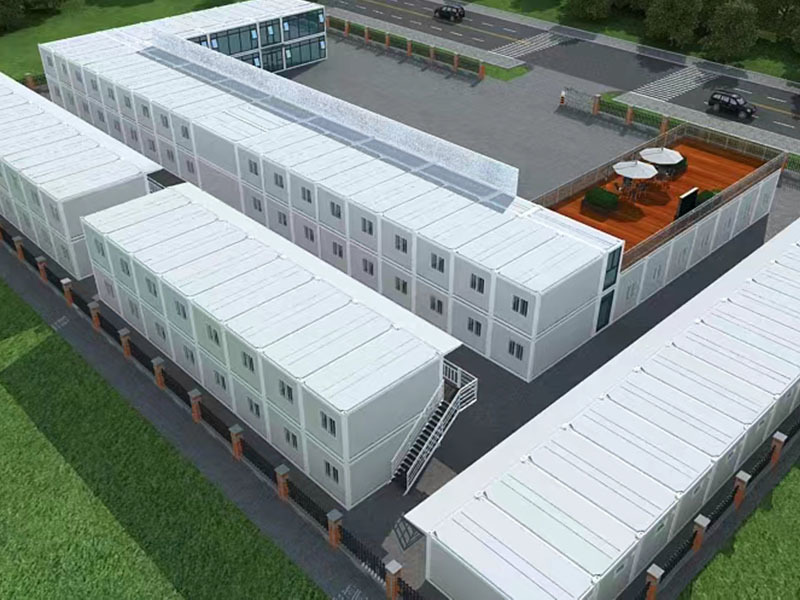
Prefabricated modular container houses have emerged as a revolutionary trend in the construction sector, offering a unique blend of efficiency, sustainability, and versatility. These innovative structures are built using repurposed shipping containers, which are modified and outfitted to create functional living spaces. The growing popularity of this construction method can be attributed to severa
First and foremost, the environmental benefits of prefabricated modular container houses are significant. By repurposing containers that would otherwise contribute to waste, this building method supports the principles of recycling and sustainability. Container homes can be designed to minimize energy consumption, often incorporating features such as solar panels and energy-efficient appliances. This not only reduces the carbon footprint of the home but also lowers operational costs for the occupants.
Moreover, the construction process of these houses is notably faster than traditional methods. Prefabricated modular homes are built off-site in controlled environments, allowing for simultaneous site preparation. Once the modules are complete, they can be transported and assembled on-site in a matter of days or weeks, significantly reducing project timelines. This efficiency is particularly beneficial for urgent housing needs, such as disaster relief efforts or temporary housing solutions.
Flexibility and customization are additional advantages of prefabricated modular container houses. They can be designed to suit various needs, whether for residential living, offices, or even recreational spaces. The modular nature allows for easy expansion or reconfiguration, enabling homeowners to adapt their living spaces as their requirements evolve. Furthermore, these container homes can be stacked or arranged in creative layouts, providing unique architectural opportunities.
Another noteworthy aspect is the cost-effectiveness of prefabricated modular container houses. While initial costs can vary, the overall savings in construction time, labor, and material waste often result in lower total expenditures compared to traditional building methods. Additionally, the durability of shipping containers ensures that these homes can withstand extreme weather conditions, further enhancing their value proposition.
In summary, prefabricated modular container houses represent a forward-thinking approach to modern housing challenges. By combining sustainability, efficiency, and versatility, they provide an attractive option for individuals and businesses seeking innovative building solutions. As the construction industry continues to evolve, container homes are poised to play an increasingly vital role in shaping the future of sustainable architecture.
Key words:
What Else Might You Learn?



Can't find the service you're looking for? Contact us!
To inquire about our products, please leave your email to us and we will contact you within 24 hours.
Add
Wen 'an County, Langfang City, Hebei Province, China