Welcome to Hebei Luban Metal Structure Co., LTD.



Sustainable Living Made Stylish: Shipping Container Cabin Homes Inspiration
Release Time:
Aug 18,2024
Sustainable Living Made Stylish: Shipping Container Cabin Homes Inspiration Table of Contents 1. Introduction to Shipping Container Homes 2. Benefits of Shipping Container Cabin Homes 3. Design Inspiration for Shipping Container Cabins 4. Sustainable Practices in Container Home Construction 5. Interior Design Ideas for Shipping Container Homes 6. Choosing the Right Locatio
Sustainable Living Made Stylish: Shipping Container Cabin Homes Inspiration
Table of Contents
- 1. Introduction to Shipping Container Homes
- 2. Benefits of Shipping Container Cabin Homes
- 3. Design Inspiration for Shipping Container Cabins
- 4. Sustainable Practices in Container Home Construction
- 5. Interior Design Ideas for Shipping Container Homes
- 6. Choosing the Right Location for Your Container Cabin
- 7. Cost Considerations for Building a Shipping Container Cabin
- 8. Overcoming Challenges in Shipping Container Home Living
- 9. FAQs about Shipping Container Homes
- 10. Conclusion
1. Introduction to Shipping Container Homes
In recent years, **shipping container cabin homes** have surged in popularity, offering a unique blend of sustainability, creativity, and modern living. These homes are crafted from repurposed shipping containers, which not only contribute to eco-friendly housing solutions but also present a versatile canvas for architectural innovation. The concept of living in a shipping container may seem unconventional at first, but it has proven to be a remarkable solution for those looking to downsize while maintaining style and comfort.
Shipping container homes are not just simple boxes; they represent a lifestyle choice that embraces minimalism, sustainability, and creativity. They are customizable, affordable, and can be adapted to various settings, from urban environments to remote natural landscapes. This article delves into the world of shipping container cabins, offering inspiration, insights, and practical advice for anyone interested in this sustainable living solution.
2. Benefits of Shipping Container Cabin Homes
Shipping container homes come with numerous benefits that make them an appealing choice for many. Here are some of the key advantages:
Cost-Effectiveness
One of the most significant advantages of shipping container cabins is their cost-effectiveness. **Building with repurposed containers** can drastically reduce construction costs compared to traditional building methods. They often require less material and labor, resulting in savings that can be redirected into custom features or improvements.
Eco-Friendly Living
Choosing a shipping container home promotes an eco-friendly lifestyle. **Recycling shipping containers** means that fewer resources are extracted from the earth, reducing the environmental impact of construction. Moreover, many container homes incorporate **sustainable energy solutions**, such as solar panels and rainwater harvesting systems.
Durability and Safety
Shipping containers are designed to withstand harsh weather conditions during transport, making them highly durable and safe for residential use. Their robust structure can withstand high winds and heavy snow loads, offering peace of mind for those living in diverse climates.
Customizability
Shipping containers provide a blank canvas for creativity. Homeowners can design their spaces to reflect their personal style, whether that means a **modern minimalist design** or a rustic aesthetic. The modular nature of containers allows for **expansions and modifications**, making them a flexible housing option.
3. Design Inspiration for Shipping Container Cabins
The design possibilities for shipping container homes are virtually limitless. Here are some inspiring ideas that exemplify the creativity and style achievable with these containers:
Modern Minimalism
A modern minimalist approach to container homes emphasizes clean lines, open spaces, and a neutral color palette. Large windows enhance natural light, creating an airy atmosphere. Furnishings are kept simple and functional, aligning with the minimalist philosophy.
Rustic Retreats
For those who prefer a warmer, cozier vibe, rustic shipping container cabins can incorporate natural materials such as wood and stone. Combining these elements with the industrial look of containers creates a unique charm, suitable for mountain retreats or lakeside getaways.
Stacked Designs
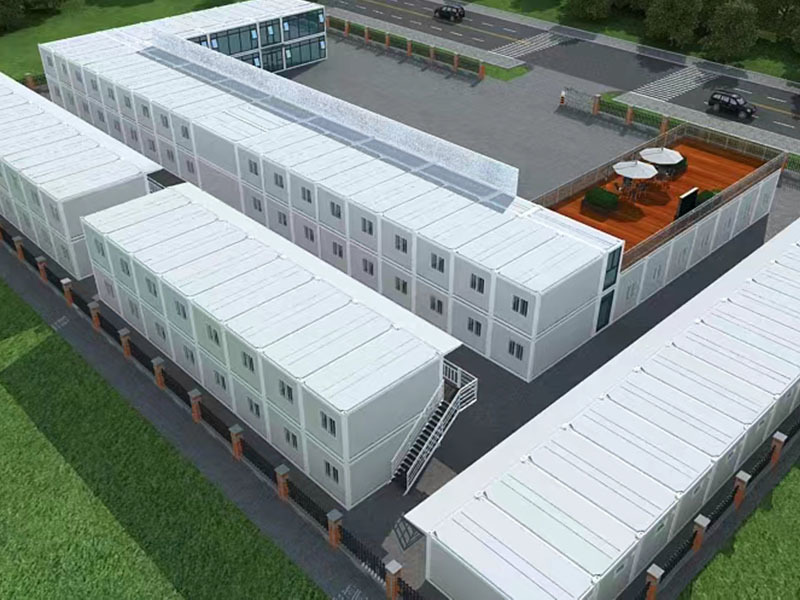
Using multiple containers allows for **multi-story designs**. Stacking containers not only maximizes space but also creates dramatic architectural features. Rooftop decks can be added for outdoor living and entertaining, providing stunning views.
Open Concept Living
Many container cabins embrace open concept living areas, merging the kitchen, dining, and living spaces into one large area. This design promotes social interaction and creates a spacious feel, ideal for those who enjoy entertaining guests.
4. Sustainable Practices in Container Home Construction
Building a shipping container home involves several sustainable practices that contribute to a smaller ecological footprint:
Energy Efficiency
Integrating **energy-efficient appliances** and insulation materials can significantly reduce energy consumption. Opting for **solar panels** or wind turbines also enables homeowners to harness renewable energy, further minimizing their reliance on fossil fuels.
Water Conservation
Sustainable container homes often include rainwater harvesting systems, which collect and store rainwater for various household uses. This practice not only conserves water but also reduces utility costs.
Use of Reclaimed Materials
Incorporating reclaimed materials into the design, such as reclaimed wood for flooring or recycled glass for fixtures, enhances the sustainable aspect of building. This practice reduces waste and highlights the beauty of repurposed items.
5. Interior Design Ideas for Shipping Container Homes
The interior of a shipping container cabin can be as stylish and functional as any traditional home. Here are several interior design ideas to inspire your container living space:
Functional Layouts
Maximizing space is essential in a shipping container home. Designing multifunctional furniture, such as sofa beds and foldable dining tables, can increase usability without sacrificing style.
Natural Light
Strategically placing windows and skylights not only enhances aesthetics but also creates a bright, inviting atmosphere. Natural light can make small spaces feel larger and more open.
Bold Accents
Incorporating bold colors and patterns can add personality to your container home. Accent walls, vibrant textiles, and artistic decor pieces can transform the interior and create a unique ambiance.
6. Choosing the Right Location for Your Container Cabin
Selecting the ideal location for your shipping container home is crucial for maximizing comfort and enjoyment. Here are some factors to consider:
Proximity to Amenities
Consider how close you want to be to essential services such as grocery stores, healthcare facilities, and schools. While a remote location offers tranquility, being too far from amenities can become inconvenient.
Climate Considerations
Evaluate the climate of your chosen location. Some areas may require additional insulation or climate control systems, influencing your design and construction choices.
Scenic Views
Many container homes are built in picturesque settings. Prioritize locations that offer breathtaking views or natural landscapes, enhancing your overall living experience.
7. Cost Considerations for Building a Shipping Container Cabin
Understanding the financial aspects of building a shipping container home is essential for planning. Here are the primary cost considerations:
Container Purchase
The cost of purchasing shipping containers varies based on their size, condition, and location. It’s essential to research prices and explore local suppliers to find the best deals.
Site Preparation
Preparing the land for your shipping container cabin may involve clearing, leveling, and laying a foundation. These costs can vary widely depending on the location and the site’s current condition.
Utilities and Permits
Don’t overlook the costs associated with connecting utilities such as water, electricity, and sewage. Additionally, obtaining necessary building permits can incur fees, so it's crucial to factor these into your budget.
8. Overcoming Challenges in Shipping Container Home Living
While shipping container homes offer numerous benefits, there are challenges to consider. Here’s how to overcome them:
Insulation Issues
Shipping containers are made of steel, which can lead to temperature regulation issues. Investing in high-quality insulation is crucial for maintaining comfortable indoor temperatures year-round.
Building Codes and Regulations
Different regions have varying building codes and regulations that must be adhered to when constructing a shipping container home. Researching local laws and consulting with professionals can help navigate these challenges.
Financing Options
Securing financing for a shipping container home might present obstacles. Many banks are not familiar with this type of housing. Exploring alternative financing options, such as personal loans or credit unions, can be beneficial.
9. FAQs about Shipping Container Homes
What is the lifespan of a shipping container home?
With proper maintenance, a shipping container home can last for over 25 years, and many can last significantly longer.
Can I finance a shipping container home?
Yes, while it may be more challenging than traditional homes, many lenders are beginning to offer financing options specifically for shipping container houses.
Are shipping container homes safe?
Absolutely! Shipping containers are designed to withstand harsh conditions and are structurally sound when properly modified for residential use.
Do I need a building permit for a shipping container home?
Yes, building permits are generally required for shipping container homes. Always check with local authorities to understand the regulations in your area.
How much does it cost to build a shipping container home?
The cost of building a shipping container home can vary widely based on size, design, and location, typically ranging from $10,000 to $50,000 or more.
10. Conclusion
In conclusion, shipping container cabin homes represent an innovative solution for sustainable living without sacrificing style or comfort. With their numerous benefits, including cost-effectiveness, durability, and eco-friendliness, these unique structures are becoming increasingly popular among individuals seeking a modern, minimalist lifestyle. By exploring diverse design inspirations and embracing sustainable practices, homeowners can transform repurposed shipping containers into beautifully functional living spaces.
Whether you envision a modern minimalist retreat or a rustic getaway, the possibilities are endless. As more individuals and families embrace this alternative housing option, shipping container homes will continue to inspire sustainable living practices and architectural creativity. If you’re considering diving into the world of shipping container cabins, let this article serve as a guide to ignite your imagination and facilitate your journey towards stylish sustainability.
Key words:
What Else Might You Learn?




Can't find the service you're looking for? Contact us!
To inquire about our products, please leave your email to us and we will contact you within 24 hours.
Add
Wen 'an County, Langfang City, Hebei Province, China