Welcome to Hebei Luban Metal Structure Co., LTD.



Transforming Spaces: The Beauty of Repurposed Shipping Container Accommodation
Release Time:
Sep 01,2024
Transforming Spaces: The Beauty of Repurposed Shipping Container Accommodation Table of Contents 1. Introduction to Shipping Container Accommodation 2. What Are Shipping Containers and Their Purpose? 3. Benefits of Repurposing Shipping Containers for Accommodation 4. Design Inspiration: How to Create Unique Spaces 5. The Sustainability Aspect of Shipping Container Living 6
Transforming Spaces: The Beauty of Repurposed Shipping Container Accommodation
Table of Contents
- 1. Introduction to Shipping Container Accommodation
- 2. What Are Shipping Containers and Their Purpose?
- 3. Benefits of Repurposing Shipping Containers for Accommodation
- 4. Design Inspiration: How to Create Unique Spaces
- 5. The Sustainability Aspect of Shipping Container Living
- 6. Case Studies: Successful Shipping Container Accommodations
- 7. Challenges in Shipping Container Accommodation and Their Solutions
- 8. The Future of Shipping Container Accommodation
- 9. FAQs about Shipping Container Accommodation
- 10. Conclusion
1. Introduction to Shipping Container Accommodation
Shipping container accommodation has emerged as a leading trend in the architectural and hospitality sectors. As the world increasingly seeks sustainable living solutions, the versatility and affordability of repurposed shipping containers provide an innovative answer. These former cargo carriers have been transformed into stylish homes, vacation rentals, and even hotels, showcasing a blend of functionality and aesthetics. This article explores the beauty of these unique accommodations, focusing on their benefits, design possibilities, and future potential.
2. What Are Shipping Containers and Their Purpose?
Shipping containers are robust, rectangular boxes designed for the transport of goods across seas and lands. Typically made from durable steel, these containers can withstand harsh weather conditions and heavy loads. Originally intended for shipping, these structures have gained popularity for use in various applications beyond their initial purpose. When repurposed for accommodation, they offer a unique alternative to traditional building materials, providing both cost savings and creative design opportunities.
The Versatility of Shipping Containers
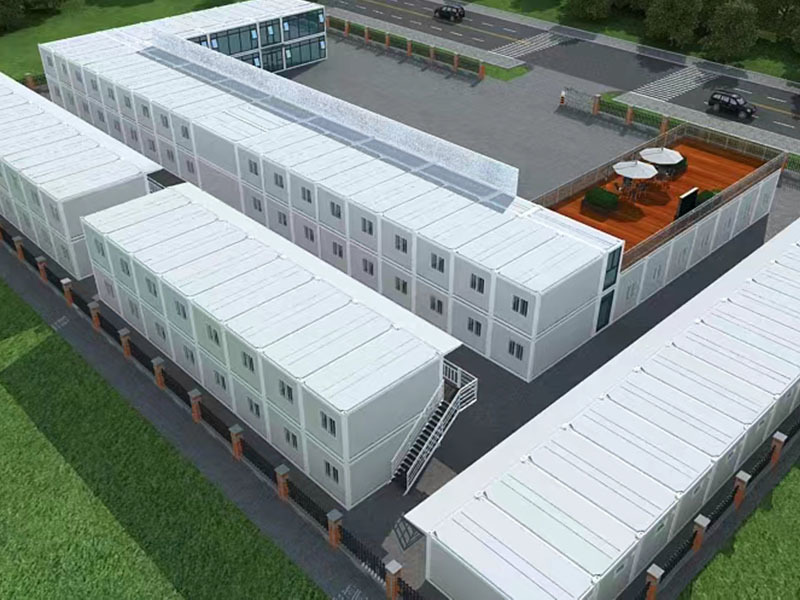
Shipping containers can be combined and stacked in numerous configurations, lending themselves to endless architectural creativity. Their modular nature allows for simple customization, enabling architects and designers to craft spaces that meet the specific needs of their inhabitants. From single-unit homes to multi-container complexes, the adaptability of shipping containers makes them a perfect choice for various accommodation types.
3. Benefits of Repurposing Shipping Containers for Accommodation
Repurposing shipping containers yields numerous advantages, making them increasingly appealing for residential and commercial use.
Affordability and Cost-Effectiveness
One of the primary benefits of using shipping containers for accommodation is their affordability. The cost of purchasing and converting a shipping container is often significantly lower than building a traditional home. This price advantage makes them an attractive option for budget-conscious homeowners and developers.
Eco-Friendly Building Solution
By repurposing shipping containers, we divert waste from landfills, promoting sustainability. Additionally, these structures often require fewer materials for construction, reducing the overall ecological footprint. Many designs incorporate renewable energy sources, such as solar panels, further enhancing their green credentials.
Durability and Longevity
Shipping containers are built to endure the rigors of international transport, meaning they are exceptionally durable. With proper insulation and weatherproofing, these containers can withstand extreme temperatures, making them suitable for diverse climates.
4. Design Inspiration: How to Create Unique Spaces
The creative potential of shipping containers is virtually limitless. Here are several design ideas that highlight their versatility:
Minimalist Aesthetic
The minimalist design approach emphasizes simplicity and functionality. Shipping containers lend themselves well to this aesthetic, offering open spaces with clean lines. By using large windows, you can create an airy atmosphere that enhances natural light.
Rustic Charm
Repurposed containers can be transformed to embody a rustic charm. Using reclaimed wood, vintage decor, and industrial fixtures, designers can create cozy and inviting spaces that feel both warm and modern.
Modern Luxury
Shipping containers can also be designed for luxury living. With high-end finishes, expansive terraces, and state-of-the-art amenities, these structures can rival traditional luxury homes. The juxtaposition of the container's exterior with luxurious interiors offers a unique design statement.
5. The Sustainability Aspect of Shipping Container Living
Sustainable living is more than a trend; it’s a necessity. The use of repurposed shipping containers significantly contributes to eco-friendly building practices.
Energy Efficiency
Many shipping container accommodations are designed with energy efficiency in mind. Incorporating features such as high-performance insulation, energy-efficient windows, and renewable energy sources can drastically reduce energy consumption.
Water Conservation
Innovative water management systems can be installed in shipping container homes, including rainwater harvesting and greywater recycling systems. These features promote efficient water use and sustainability.
Low Carbon Footprint
The overall carbon footprint of a shipping container home is considerably lower than that of a traditional home due to the reduced materials required for construction and the option for sustainable energy solutions.
6. Case Studies: Successful Shipping Container Accommodations
Numerous successful examples illustrate the potential of shipping container accommodation.
The Cargotecture Movement
The Cargotecture movement, which involves the architectural practice of using shipping containers, has gained popularity worldwide. Notable projects include the **Container House** in Texas and the **Cargotecture Hotel** in New Zealand, both showcasing innovative designs and eco-friendly principles.
Container Homes in Urban Areas
Cities like Los Angeles and New York have embraced shipping container homes as affordable housing solutions. These developments provide much-needed housing options in densely populated areas while maintaining aesthetic appeal.
7. Challenges in Shipping Container Accommodation and Their Solutions
While there are numerous benefits to shipping container accommodation, some challenges exist.
Insulation and Temperature Control
One major challenge is insulation. Shipping containers can become hot in the summer and cold in the winter. Proper insulation materials, such as spray foam or rigid foam boards, can effectively mitigate this issue, ensuring a comfortable living environment.
Building Codes and Zoning Regulations
Navigating local building codes and zoning regulations can pose challenges when constructing shipping container accommodations. Engaging with professionals who have experience in this area can help streamline the approval process and ensure compliance with all regulations.
Financing and Insurance
Securing financing for shipping container homes can be more complicated than traditional properties. Working with lenders familiar with alternative housing options can facilitate the process. Additionally, insuring a shipping container property may require specialized coverage due to its unconventional nature.
8. The Future of Shipping Container Accommodation
The future of shipping container accommodation looks promising as more people recognize the benefits of sustainable living. Innovations in design, technology, and construction are pushing the boundaries of what these containers can achieve.
Integration of Smart Technology
As technology advances, shipping container homes are increasingly incorporating smart home technology. Features such as automated lighting, climate control, and security systems enhance the living experience while maintaining efficiency.
Expansion into Emerging Markets
Emerging markets show significant potential for shipping container accommodations, as they can provide affordable housing solutions in underserved communities. This shift could lead to a broader acceptance of container living as a viable option for various demographics.
Community Development Initiatives
Shipping containers are being used in innovative community development projects, creating communal living spaces and affordable housing in urban areas. These initiatives promote social connectivity and sustainable living practices, transforming neighborhoods for the better.
9. FAQs about Shipping Container Accommodation
What are the main advantages of living in a shipping container home?
Shipping container homes are affordable, eco-friendly, durable, and versatile, allowing for unique design possibilities.
Are shipping container homes safe?
Yes, with proper construction and modifications, shipping container homes are safe and can meet local building codes.
How do I insulate a shipping container for year-round comfort?
Using high-quality insulation materials, such as spray foam or rigid foam boards, can help maintain comfortable indoor temperatures.
What are the maintenance requirements for shipping container homes?
Regular inspections for rust, structural integrity, and weatherproofing are essential to maintain the longevity of shipping container homes.
Can I finance a shipping container home?
Yes, financing options are available, although it may require working with lenders familiar with alternative housing projects.
10. Conclusion
Repurposed shipping container accommodation represents a revolutionary approach to sustainable living and architectural innovation. By embracing the benefits of affordability, durability, and eco-friendliness, we can transform these containers into beautiful, functional living spaces. As the popularity of this trend continues to grow, shipping containers are poised to redefine our understanding of modern accommodation, offering stylish solutions that meet the needs of our evolving world. The beauty of repurposed shipping containers lies not only in their aesthetic appeal but also in their potential to create a more sustainable and inclusive future for living spaces worldwide.
Key words:
What Else Might You Learn?




Can't find the service you're looking for? Contact us!
To inquire about our products, please leave your email to us and we will contact you within 24 hours.
Add
Wen 'an County, Langfang City, Hebei Province, China