Welcome to Hebei Luban Metal Structure Co., LTD.



Transforming Shipping Containers into Modular Homes: A Sustainable Approach
Release Time:
Sep 06,2024
The concept of modular homes from shipping containers has gained significant popularity in recent years, driven by the need for affordable and sustainable housing solutions. Shipping containers, originally designed for transporting goods across oceans, are being creatively transformed into functional living spaces. This innovative approach not only addresses housing shortages but also promotes rec
One of the primary advantages of modular homes from shipping containers is their cost-effectiveness. Compared to traditional construction methods, building with containers can substantially reduce material costs and labor expenses. Since containers are made from durable steel, they also offer excellent structural integrity, making them a safe choice for various climates. Additionally, the modular design allows for quick assembly, enabling faster project completion times.
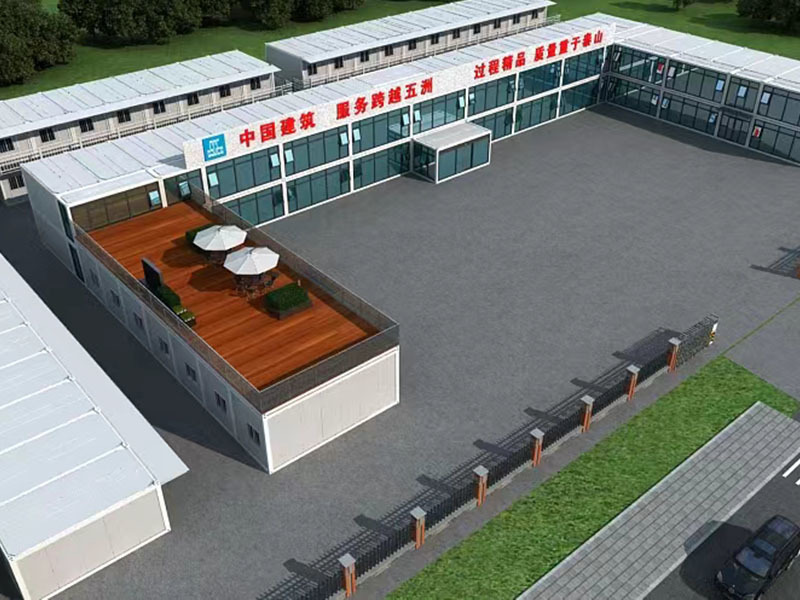
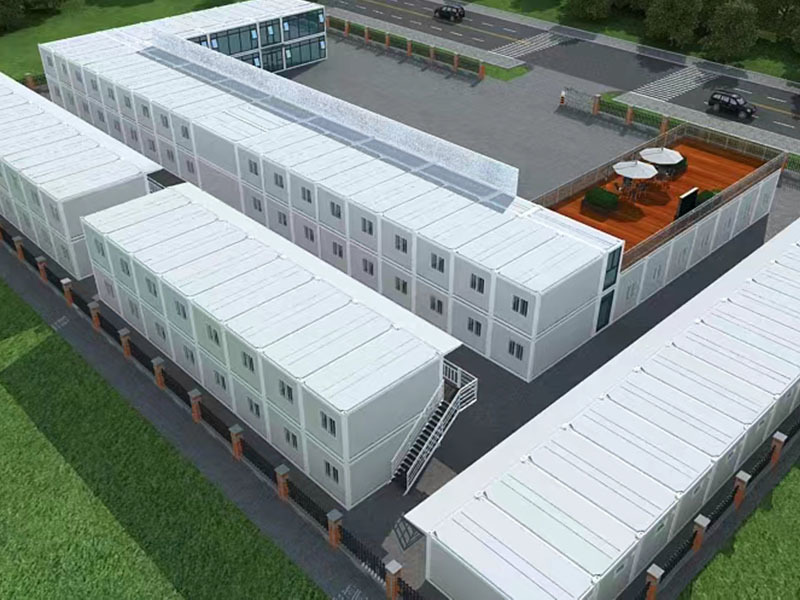
Design flexibility is another compelling feature of shipping container homes. These structures can be stacked, arranged, and combined in numerous configurations, allowing homeowners to customize their living spaces to suit their needs. From single-container units to multi-container complexes, the possibilities are virtually limitless. Furthermore, architects and designers can incorporate large windows, sliding doors, insulation, and interior finishes to create a comfortable and aesthetically pleasing environment.
Sustainability is at the heart of modular homes from shipping containers. By utilizing existing materials, this building approach significantly reduces waste associated with traditional construction. Additionally, shipping container homes can be designed with energy-efficient features, such as solar panels, rainwater harvesting systems, and environmentally friendly insulation materials. This commitment to green building practices not only benefits the environment but also helps homeowners reduce their energy bills.
Another essential consideration when exploring modular homes from shipping containers is zoning and building regulations. Depending on the location, there may be specific codes and permits required to convert a shipping container into a residential unit. It's crucial for potential homeowners to research local regulations and consult with professionals to ensure compliance and avoid any legal issues.
In conclusion, modular homes from shipping containers present a viable and innovative solution to modern housing challenges. Their cost-effective construction, design versatility, and sustainable attributes make them an attractive option for individuals and families seeking affordable housing alternatives. As interest in eco-friendly living continues to rise, shipping container homes are likely to play a significant role in shaping the future of residential architecture. Whether you are an architect, a builder, or a prospective homeowner, consider the transformative potential of shipping containers in the realm of modular housing.
Key words:
What Else Might You Learn?



Can't find the service you're looking for? Contact us!
To inquire about our products, please leave your email to us and we will contact you within 24 hours.
Add
Wen 'an County, Langfang City, Hebei Province, China