Welcome to Hebei Luban Metal Structure Co., LTD.



Exploring Container Homes: A Sustainable and Innovative Housing Solution
Release Time:
Oct 28,2024
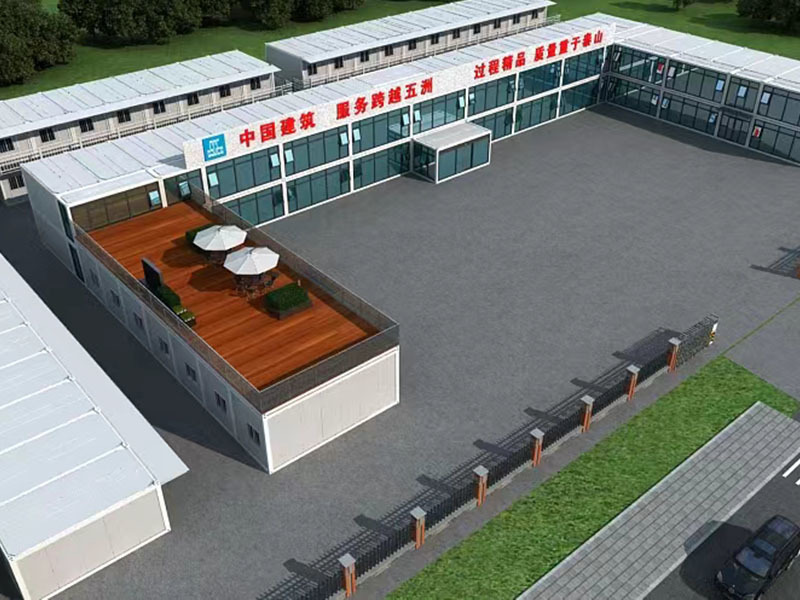
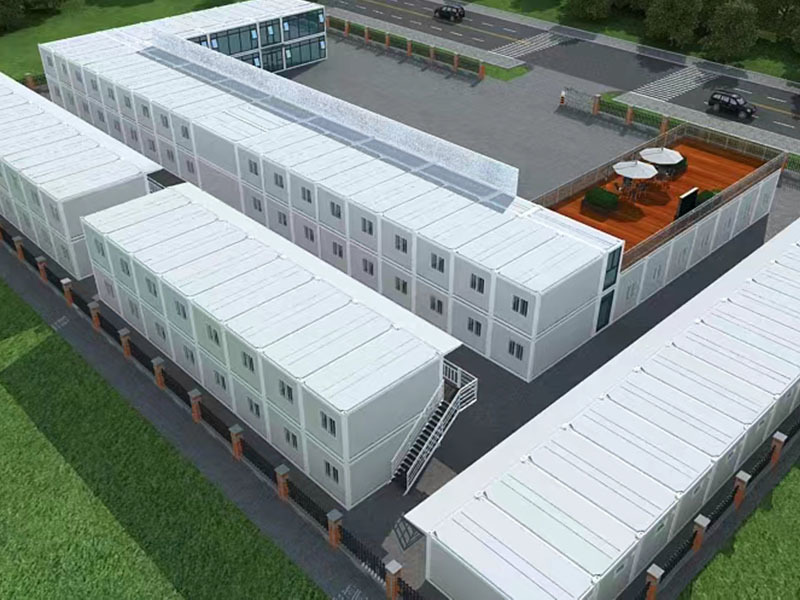
Container homes, constructed from repurposed shipping containers, are gaining traction as a contemporary solution to housing challenges. This innovative approach to building not only addresses the increasing demand for affordable housing but also promotes sustainability by reusing materials that would otherwise contribute to landfill waste. For professionals in the architecture and building materi
One of the primary advantages of container homes is their cost-effectiveness. The initial investment can be significantly lower than traditional building methods, primarily due to reduced material costs and shorter construction times. Container homes can be delivered to the site and assembled much faster than conventional houses, leading to savings in both labor and time. Additionally, these structures are highly customizable, allowing architects and builders to create unique designs that meet the specific needs of their clients.
From a technical standpoint, container homes offer superior durability. Made from corten steel, these containers are designed to withstand harsh weather conditions, making them a reliable choice for various climates. Their structural integrity is impressive, and with proper insulation and ventilation, container homes can provide a comfortable living environment year-round.
However, there are essential considerations to keep in mind when planning a container home project. First, zoning regulations and building codes must be carefully reviewed, as these can vary significantly from one location to another. Professionals should also consider the site’s landscape and environment, as these factors can influence the design and construction process.
Another critical aspect is insulation and energy efficiency. High-quality insulation is necessary to regulate temperature effectively, given that metal containers can experience extreme temperature fluctuations. Various insulation techniques, such as spray foam or rigid foam board, can be employed to enhance the energy efficiency of container homes.
Moreover, integrating sustainable technologies into container homes can further elevate their appeal. Solar panels, rainwater harvesting systems, and composting toilets are just a few examples of eco-friendly solutions that can be integrated into these structures to minimize their environmental impact and reduce utility costs.
In conclusion, container homes represent a forward-thinking solution for modern housing challenges. By leveraging their inherent benefits, such as cost-effectiveness and durability, while addressing potential challenges, professionals in the architecture and building materials industry can position themselves at the forefront of this growing market. Embracing the container home trend not only meets the evolving needs of housing but also contributes to a more sustainable future in construction.
Key words:
What Else Might You Learn?



Can't find the service you're looking for? Contact us!
To inquire about our products, please leave your email to us and we will contact you within 24 hours.
Add
Wen 'an County, Langfang City, Hebei Province, China