Welcome to Hebei Luban Metal Structure Co., LTD.



The Rise of Container Homes: Innovative Housing Solutions for the Modern World
Release Time:
Nov 05,2024
Container homes have emerged as a groundbreaking solution in the building and construction sector, offering an alternative to traditional housing methods. These homes, constructed from repurposed shipping containers, present numerous advantages that appeal to both homeowners and builders alike. One of the primary benefits of container homes is their cost-effectiveness. Compared to conventional con
One of the primary benefits of container homes is their cost-effectiveness. Compared to conventional construction methods, container homes can be significantly cheaper, thanks to the availability of used shipping containers and the reduced labor costs involved in their assembly. Moreover, the rapid construction timeline allows homeowners to settle into their new residences much faster than with traditional builds.
Another key advantage of container homes is their sustainability. By using repurposed materials, these homes contribute to reducing waste, thereby minimizing their environmental footprint. Additionally, container homes can be designed with energy-efficient features, such as solar panels and green roofs, further enhancing their eco-friendliness. This aligns with the growing demand for sustainable building practices in the construction industry.
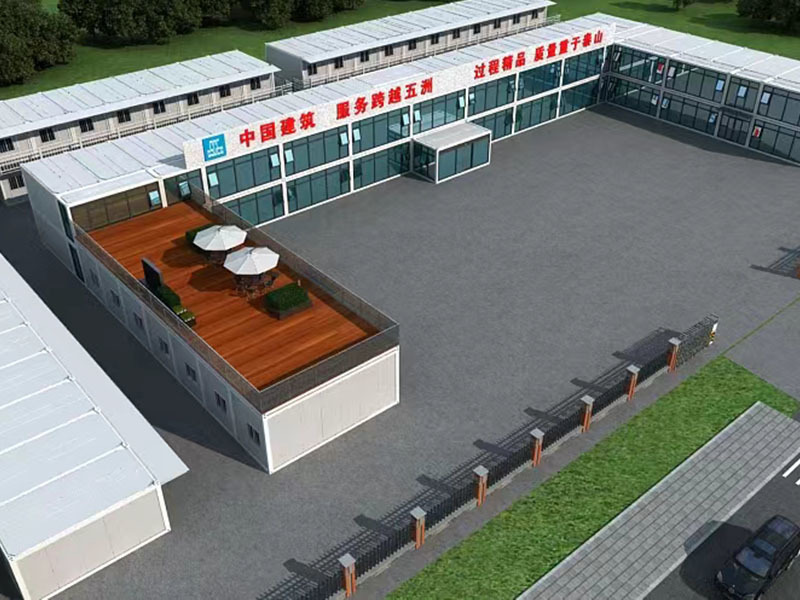
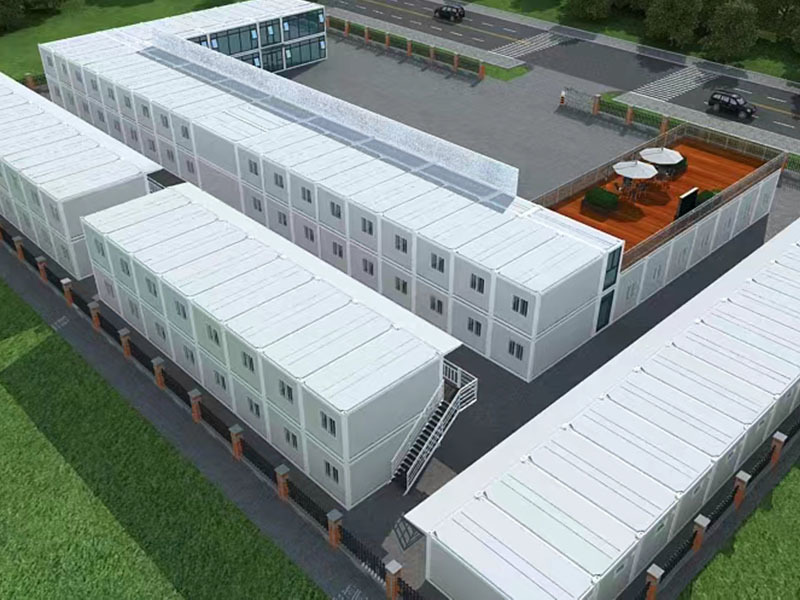
Design versatility is yet another attractive feature of container homes. Architects and builders can creatively manipulate the containers to suit various styles and layouts, ranging from minimalist designs to more elaborate multi-container configurations. Interior spaces can be customized to maximize functionality, catering to the unique needs of each homeowner. This adaptability makes container homes suitable for urban infill projects, remote locations, or even temporary housing solutions.
Moreover, container homes are inherently durable and strong, able to withstand harsh weather conditions and natural disasters. Their structural integrity provides a sense of security that many homeowners value. Additionally, they can be easily transported, making relocation simpler than traditional homes.
It's important to note that the popularity of container homes also brings challenges. Zoning regulations and building codes can vary significantly depending on location, which may complicate the permitting process. Therefore, professionals in the construction industry should stay informed about local regulations and work with local authorities to ensure compliance.
In conclusion, container homes represent a modern, innovative approach to housing that aligns with current trends in sustainability and affordability. For professionals in the construction and decorative materials industry, understanding the potential of container homes could open new avenues for business opportunities. As interest in these unique structures continues to grow, embracing this trend could lead to a competitive edge in the evolving market landscape.
Key words:
What Else Might You Learn?



Can't find the service you're looking for? Contact us!
To inquire about our products, please leave your email to us and we will contact you within 24 hours.
Add
Wen 'an County, Langfang City, Hebei Province, China