Welcome to Hebei Luban Metal Structure Co., LTD.



Urban Transformation: The Revolutionary Impact of Modular Buildings in City Development Projects
Release Time:
Nov 23,2024
Urban Transformation: The Revolutionary Impact of Modular Buildings in City Development Projects Table of Contents 1. Introduction to Urban Transformation and Modular Buildings 2. What Are Modular Buildings? 2.1 Definition and Characteristics 2.2 Types of Modular Construction 3. Benefits of Modular Buildings in Urban Development 3.1 Cost-Effectiveness 3.2 Speed of Construction 3.3 Environmental Su
Urban Transformation: The Revolutionary Impact of Modular Buildings in City Development Projects
Table of Contents
1. Introduction to Urban Transformation and Modular Buildings
2. What Are Modular Buildings?
2.1 Definition and Characteristics
2.2 Types of Modular Construction
3. Benefits of Modular Buildings in Urban Development
3.1 Cost-Effectiveness
3.2 Speed of Construction
3.3 Environmental Sustainability
4. Modular Buildings and Urban Planning
4.1 Integrating Modular Architecture into City Landscapes
4.2 Case Studies of Successful Urban Projects
5. Challenges Faced by Modular Buildings in Urban Settings
5.1 Perceptions and Misconceptions
5.2 Regulatory Hurdles
6. The Future of Modular Buildings in Urban Development
6.1 Innovations in Modular Technology
6.2 Predictions for Urban Transformation
7. Conclusion
8. Frequently Asked Questions
1. Introduction to Urban Transformation and Modular Buildings
Urban transformation is an ongoing process that reshapes the physical, social, and economic fabric of cities. As urban populations rise, the demand for innovative housing solutions becomes crucial. **Modular buildings** represent a significant shift in how we approach urban development, offering a solution that is both versatile and sustainable. This article examines the role of modular buildings in city development projects, shedding light on their benefits, challenges, and future potential.
2. What Are Modular Buildings?
2.1 Definition and Characteristics
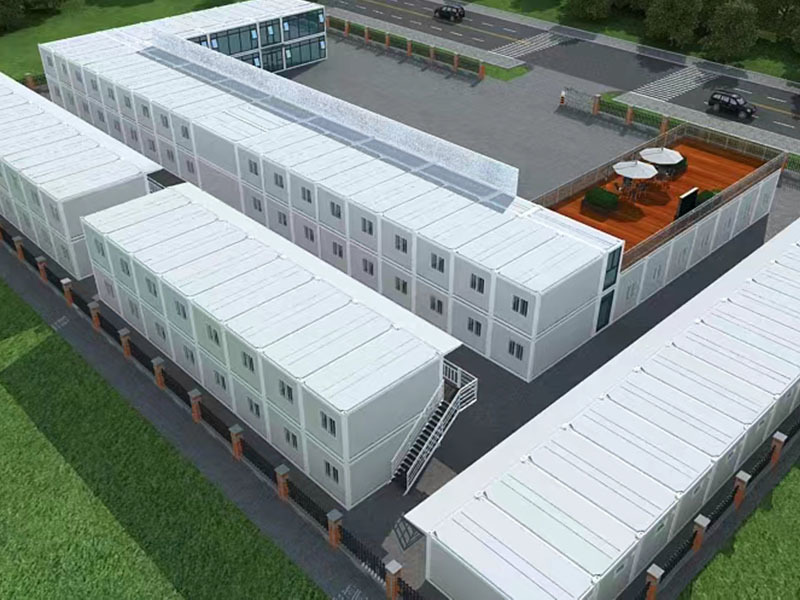
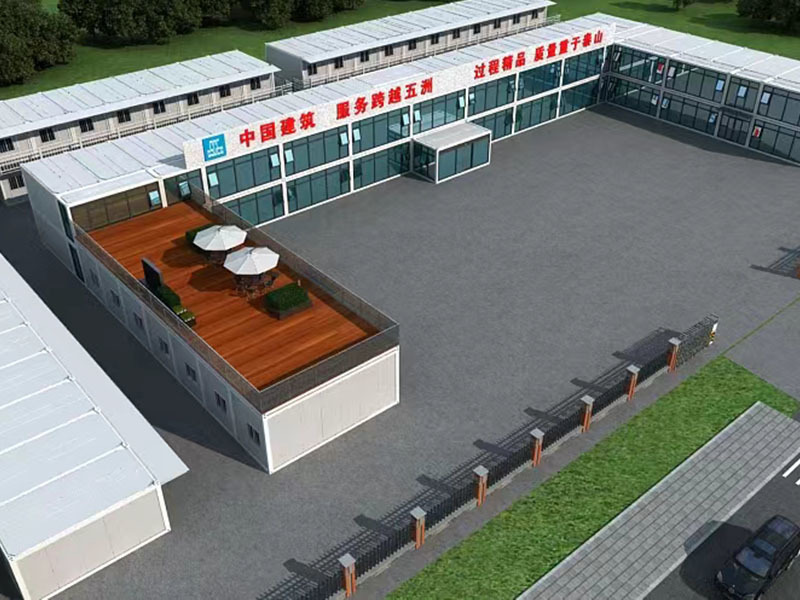
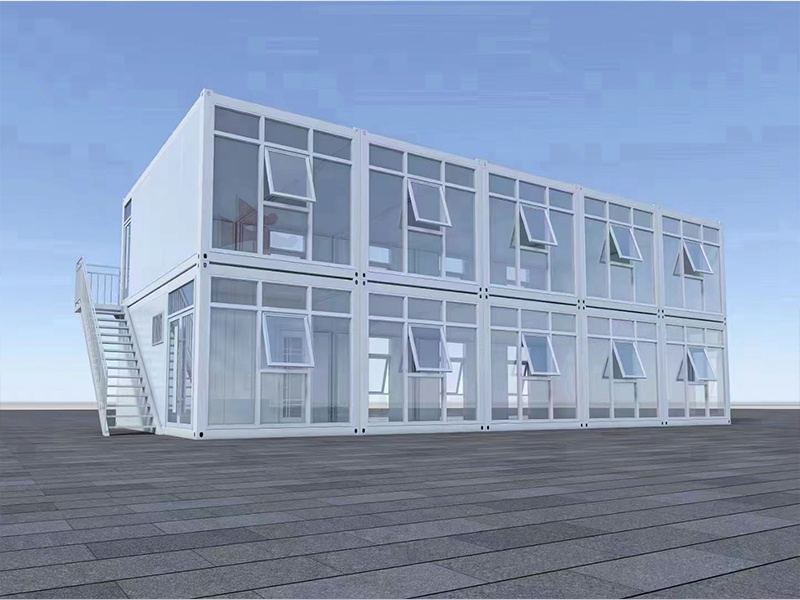
Modular buildings are structures that are fabricated off-site in controlled factory environments, then transported and assembled on-site. This construction method differs significantly from traditional building practices, allowing for faster completion times and improved quality control. Key characteristics of modular buildings include **prefabrication**, **customizability**, and **scalability**.
2.2 Types of Modular Construction
There are several types of modular construction, including:
- **Permanent Modular Construction (PMC)**: Structures designed for long-term use, often indistinguishable from traditional buildings.
- **Relocatable Modular Buildings (RMB)**: Temporary structures that can be moved and reused in different locations.
Understanding these types allows urban planners to select the appropriate modular solution for various projects.
3. Benefits of Modular Buildings in Urban Development
3.1 Cost-Effectiveness
One of the most compelling advantages of modular buildings is their cost-effectiveness. By reducing labor costs and construction time, modular construction can significantly lower the overall project budget. Furthermore, the controlled environment of factories minimizes material waste, leading to further savings.
3.2 Speed of Construction
Modular buildings are remarkably faster to construct compared to traditional methods. Since site preparation and building fabrication can occur simultaneously, projects can be completed in **half the time**. This rapid construction is particularly beneficial for urban development where time is often of the essence.
3.3 Environmental Sustainability
Sustainability is a critical consideration in modern urban development. Modular buildings contribute to environmental conservation through:
- Reduced waste during construction.
- Efficient use of materials.
- Energy-efficient designs that can incorporate renewable technologies.
These elements not only attract eco-conscious investors but also help cities meet their sustainability goals.
4. Modular Buildings and Urban Planning
4.1 Integrating Modular Architecture into City Landscapes
Urban planners are increasingly incorporating modular buildings into their designs. These structures can seamlessly blend into urban landscapes, providing **flexible solutions** for various city needs, from housing to commercial spaces. Their adaptability allows for creative layouts and efficient land use, essential in densely populated areas.
4.2 Case Studies of Successful Urban Projects
Several cities have successfully integrated modular buildings into their development projects:
- **New York City**: The **BIM House** showcases how modular design can create affordable housing while maintaining aesthetic appeal.
- **Los Angeles**: The **Merrick Apartments** exemplify the use of modular technology to quickly address homelessness in urban areas.
These case studies illustrate the potential of modular buildings to address pressing urban issues.
5. Challenges Faced by Modular Buildings in Urban Settings
5.1 Perceptions and Misconceptions
Despite their many advantages, modular buildings often face skepticism and misconceptions regarding quality and durability. Educating stakeholders about the robustness and safety of modular structures is essential for broader acceptance.
5.2 Regulatory Hurdles
Regulatory frameworks can pose challenges to modular construction. Building codes and zoning laws often need adaptation to accommodate this innovative construction method. Proactive engagement with regulatory bodies is crucial for overcoming these barriers.
6. The Future of Modular Buildings in Urban Development
6.1 Innovations in Modular Technology
The future of modular construction is bright, with ongoing advancements in technology and materials. Innovations such as **3D printing** and **smart building technologies** are set to enhance the efficiency and performance of modular buildings.
6.2 Predictions for Urban Transformation
As cities continue to grapple with rapid population growth and housing shortages, modular buildings will play an increasingly vital role in urban transformation. Their efficiency, sustainability, and adaptability make them a cornerstone of future urban development strategies.
7. Conclusion
In conclusion, modular buildings represent a transformative approach to urban development, offering a multitude of benefits including cost-effectiveness, speed, and sustainability. As cities evolve and face new challenges, the integration of modular construction will be essential in creating resilient and adaptable urban environments. Embracing this innovative approach will not only enhance city landscapes but also improve the quality of life for urban dwellers.
8. Frequently Asked Questions
What are the primary benefits of modular buildings?
The main benefits include cost savings, reduced construction time, and environmental sustainability.
How long does it take to build a modular structure?
Modular buildings can be completed in about half the time it takes for traditional construction methods.
Are modular buildings durable?
Yes, modular buildings are designed to meet or exceed the same building codes and standards as traditional structures.
Can modular buildings be customized?
Absolutely, modular buildings can be tailored to meet specific design and functional requirements.
What challenges do modular buildings face in urban development?
Modular buildings often encounter regulatory hurdles and misconceptions about their quality and durability.
By understanding the revolutionary impact of modular buildings on urban transformation, stakeholders can make informed decisions that promote sustainable and efficient city development.
Key words:
What Else Might You Learn?



Can't find the service you're looking for? Contact us!
To inquire about our products, please leave your email to us and we will contact you within 24 hours.
Add
Wen 'an County, Langfang City, Hebei Province, China