Welcome to Hebei Luban Metal Structure Co., LTD.



Unlocking the Future of Construction: The Rise of Modular Building
Release Time:
Jan 20,2025
Modular building is fast becoming a pivotal trend in the construction and decorative materials sector, offering a revolutionary approach to how structures are designed, built, and delivered. This technique involves prefabricating building components in a controlled factory environment before transporting them to the construction site for assembly. The result is a streamlined process that enhances
One of the most significant advantages of modular building is its efficiency. By manufacturing components off-site, construction teams can minimize delays caused by weather or site conditions. This method allows for simultaneous site preparation and module construction, leading to a significant reduction in overall project schedules. Furthermore, because modular components are built in a factory setting, the quality control process can be more stringent, often resulting in a higher-quality final product.
Sustainability is another compelling aspect of modular building. Traditional construction methods can lead to significant material waste, but modular techniques often use materials more efficiently, generating less debris and promoting recycling. Many modular buildings are designed to be energy-efficient, incorporating sustainable practices such as better insulation, energy-efficient windows, and renewable energy sources. This not only benefits the environment but can also lead to lower operational costs for building owners.
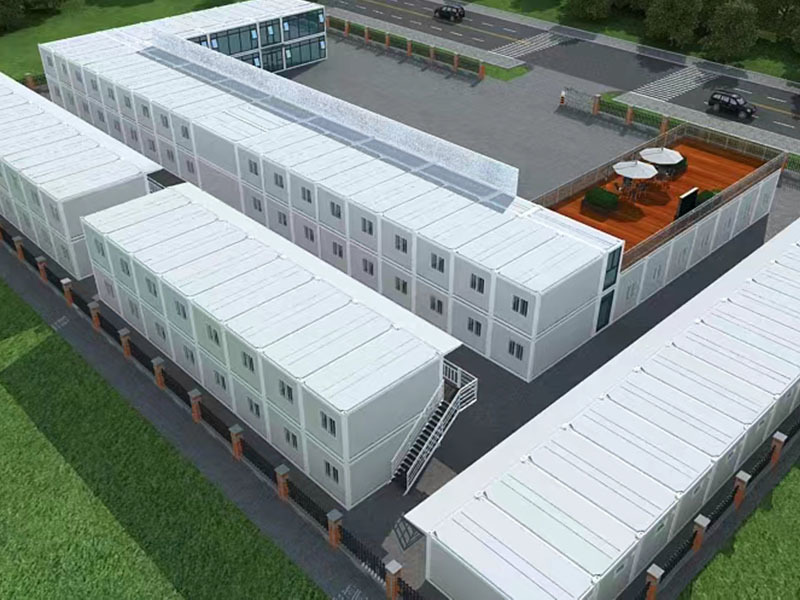
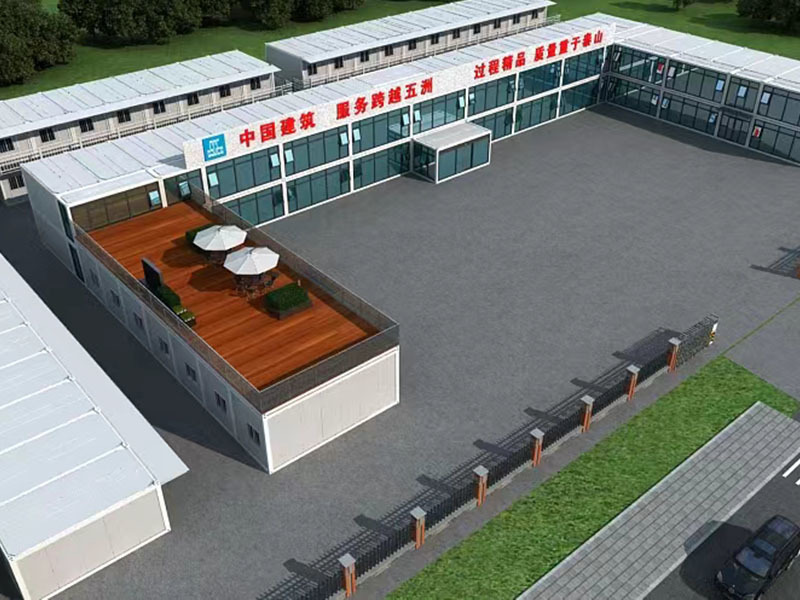
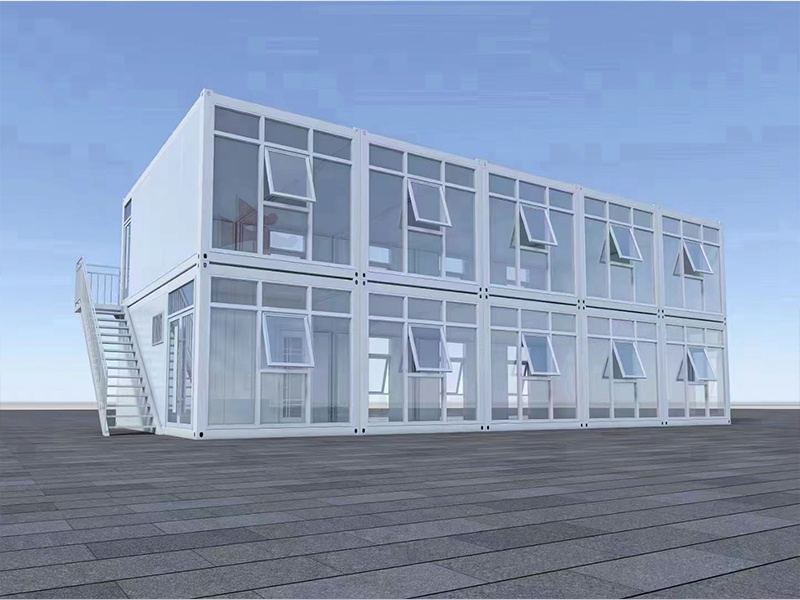
The versatility of modular building makes it suitable for various applications, from residential homes to commercial and industrial facilities. This adaptability allows architects and developers to explore innovative designs that may not be feasible with traditional construction methods. Whether it’s creating multi-story apartments or temporary structures for events, modular construction can meet diverse needs while maintaining structural integrity and aesthetic appeal.
As the construction industry continues to embrace technological advancements, modular building is poised to play a significant role in shaping its future. Innovations such as Building Information Modeling (BIM) and advanced robotics are making modular construction more accessible and efficient. These technologies enable better planning, coordination, and execution, further reducing the time and costs associated with building projects.
In conclusion, modular building represents a shift towards more efficient, sustainable, and versatile construction practices. For industry professionals, understanding this trend is crucial for staying competitive and meeting the evolving demands of clients and the market. By leveraging the benefits of modular construction, stakeholders can enhance project outcomes and contribute to a more sustainable built environment. As interest in this method continues to grow, embracing modular building could be key to unlocking new opportunities in the construction and decorative materials industry.
Key words:
What Else Might You Learn?



Can't find the service you're looking for? Contact us!
To inquire about our products, please leave your email to us and we will contact you within 24 hours.
Add
Wen 'an County, Langfang City, Hebei Province, China