Welcome to Hebei Luban Metal Structure Co., LTD.



Discover the Advantages of Container Office Buildings for Modern Workspaces
Release Time:
Jan 05,2026
Container office buildings have emerged as a practical and innovative solution for modern workspaces, particularly in an era where flexibility and sustainability are paramount. This approach leverages decommissioned shipping containers, transforming them into functional office spaces that meet the evolving needs of businesses and entrepreneurs. One of the primary advantages of container office bui
Container office buildings have emerged as a practical and innovative solution for modern workspaces, particularly in an era where flexibility and sustainability are paramount. This approach leverages decommissioned shipping containers, transforming them into functional office spaces that meet the evolving needs of businesses and entrepreneurs.
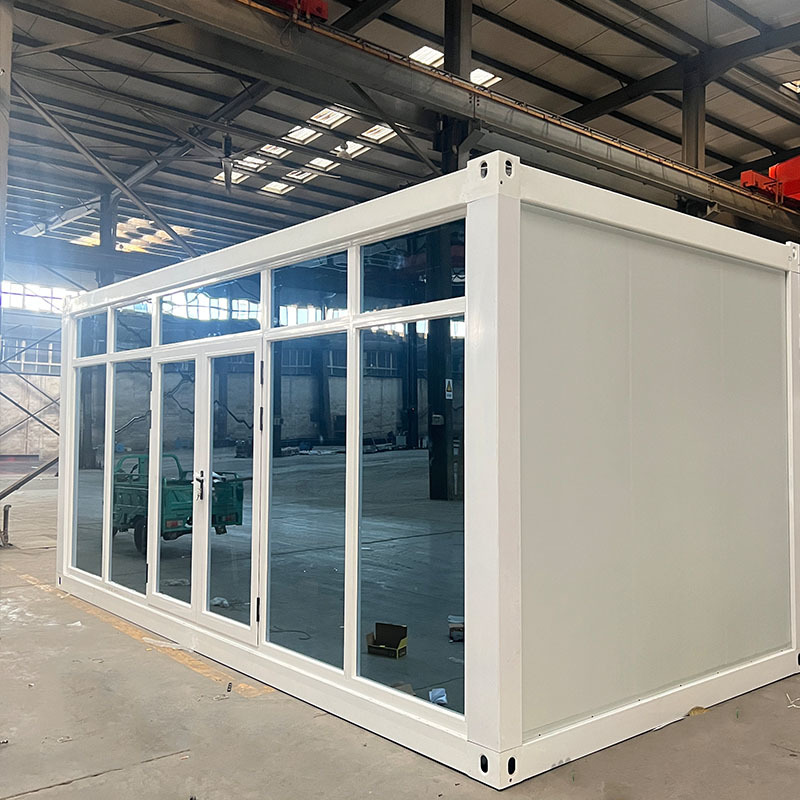
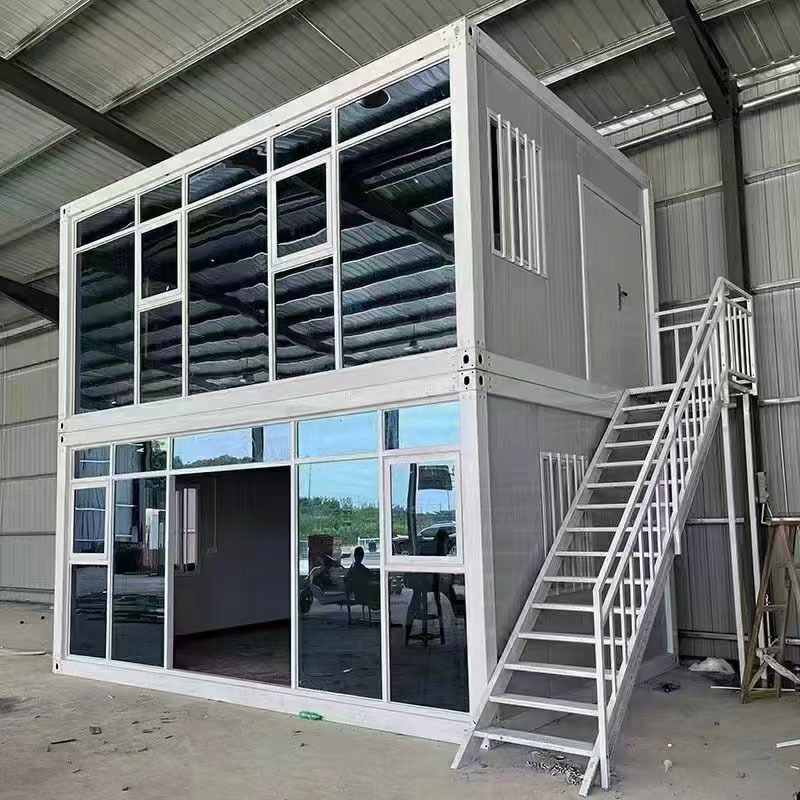
One of the primary advantages of container office buildings is their adaptability. These structures can be easily customized to fit specific design requirements, accommodating an array of layouts and functions. Whether you need open-plan spaces, individual offices, or collaborative areas, container offices can be configured to suit your workflow. Additionally, their modular nature allows for easy expansion or reconfiguration, making them ideal for businesses that anticipate growth.
Sustainability is another compelling reason to consider container office buildings. By repurposing existing materials, companies can significantly reduce their carbon footprint compared to traditional construction methods. This environmentally friendly approach minimizes waste and lowers the demand for new materials, aligning with the growing emphasis on sustainable practices across various industries. Furthermore, shipping containers are constructed from durable steel, providing robust structures that require less maintenance over time.
Cost-effectiveness is often a critical factor for startups and small businesses, and container office buildings offer an economical alternative to conventional office spaces. Their modular design can lead to reduced construction costs and shorter build times. This efficiency means that businesses can occupy their new office spaces more quickly, decreasing the time to market for new products or services.
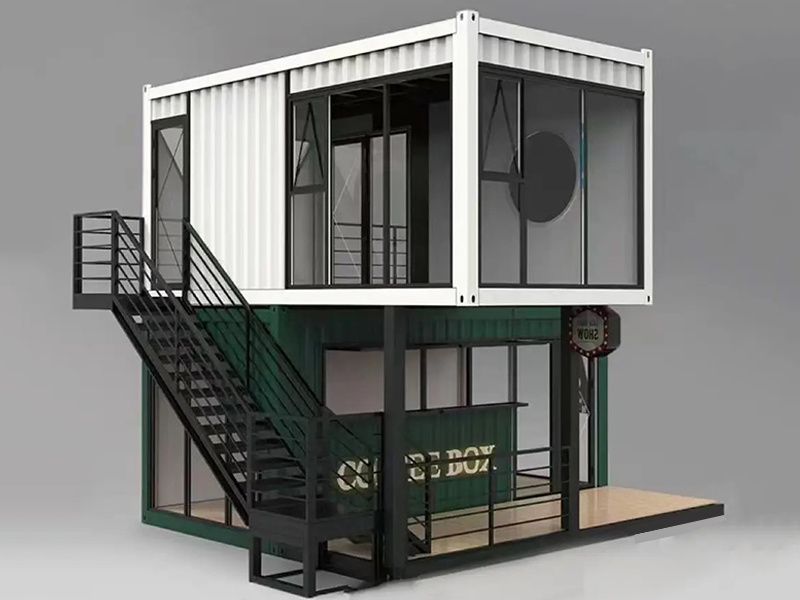
In addition to being functional, container office buildings can also be aesthetically appealing. With the right design choices, these buildings can reflect a modern and creative corporate identity. Architects and designers can incorporate large windows, green roofs, and innovative interiors to create inviting workspaces that inspire productivity.
Moreover, container office buildings are not restricted to a single location. They can be placed in urban environments, rural areas, or even temporary sites, allowing businesses to establish a presence wherever needed. This mobility can be a significant asset for companies in industries like construction, events, or research, where temporary setups are often necessary.
In summary, container office buildings represent a versatile, sustainable, and cost-effective choice for modern workspaces. Their adaptability, eco-friendliness, and aesthetic potential make them an attractive option for businesses looking to innovate their working environments. As the demand for flexible office solutions continues to grow, container office buildings will likely become an integral part of the architectural landscape, providing functionality and sustainability in one package.
Key words:
What Else Might You Learn?



Can't find the service you're looking for? Contact us!
To inquire about our products, please leave your email to us and we will contact you within 24 hours.
Add
Wen 'an County, Langfang City, Hebei Province, China