Welcome to Hebei Luban Metal Structure Co., LTD.



Exploring the Benefits of Inside Container Houses for Modern Living
Release Time:
Dec 11,2025
Exploring the Benefits of Inside Container Houses for Modern Living Table of Contents 1. Introduction to Container Houses 2. What is an Inside Container House? 3. Advantages of Inside Container Houses 3.1 Cost-Effectiveness 3.2 Sustainability and Eco-Friendliness 3.3 Flexibility in Design and Use 3.4 Speed of Construction 3.5 Durability and Safety 4. Key Features of Inside Cont
Exploring the Benefits of Inside Container Houses for Modern Living
Table of Contents
1. Introduction to Container Houses
2. What is an Inside Container House?
3. Advantages of Inside Container Houses
3.1 Cost-Effectiveness
3.2 Sustainability and Eco-Friendliness
3.3 Flexibility in Design and Use
3.4 Speed of Construction
3.5 Durability and Safety
4. Key Features of Inside Container Homes
5. Transforming Spaces: The Interior Design of Container Houses
6. Challenges and Considerations for Container Home Owners
7. Real-Life Examples of Inside Container Houses
8. Conclusion
9. FAQs about Inside Container Houses
1. Introduction to Container Houses
The evolution of housing has led to innovative solutions that cater to modern living needs. Among these, inside container houses have emerged as a captivating option. As urbanization increases and traditional housing becomes less affordable, many individuals and families are exploring alternative living arrangements. Container houses not only provide a unique aesthetic but also align with sustainable practices, making them an attractive choice for forward-thinking homeowners.
2. What is an Inside Container House?
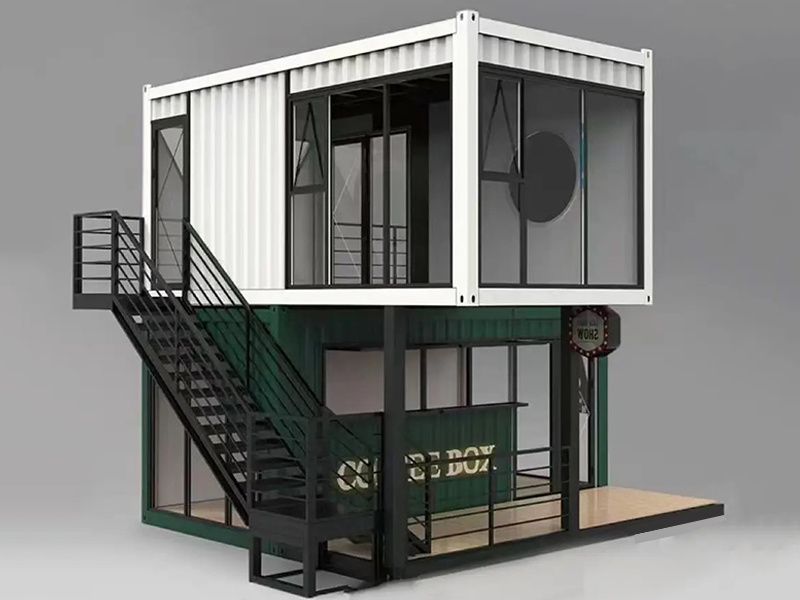
Inside container houses are constructed using repurposed shipping containers. These robust steel structures, once used for transporting goods across the globe, are reimagined into homes that are both functional and stylish. Inside container houses can be designed for various purposes, including single-family residences, vacation homes, or even small commercial spaces. With thoughtful design and creativity, these containers can transform into comfortable living environments that reflect the owner's personality and lifestyle.
3. Advantages of Inside Container Houses
Inside container houses offer a myriad of advantages that make them appealing to homeowners today. Below are some of the most significant benefits:
3.1 Cost-Effectiveness
One of the primary advantages of inside container houses is their cost-effectiveness. Building a traditional home can be prohibitively expensive, especially in urban areas. In contrast, container houses leverage the affordability of repurposed materials, resulting in lower initial construction costs. Additionally, the speed of construction can lead to reduced labor costs, making it a financially viable option for many.
3.2 Sustainability and Eco-Friendliness
As the world grapples with environmental concerns, sustainability has become a critical factor in housing choices. Inside container houses significantly reduce waste by utilizing materials that would otherwise end up in landfills. Furthermore, they can be designed with energy-efficient features such as solar panels, rainwater harvesting systems, and high-quality insulation, minimizing their ecological footprint.
3.3 Flexibility in Design and Use
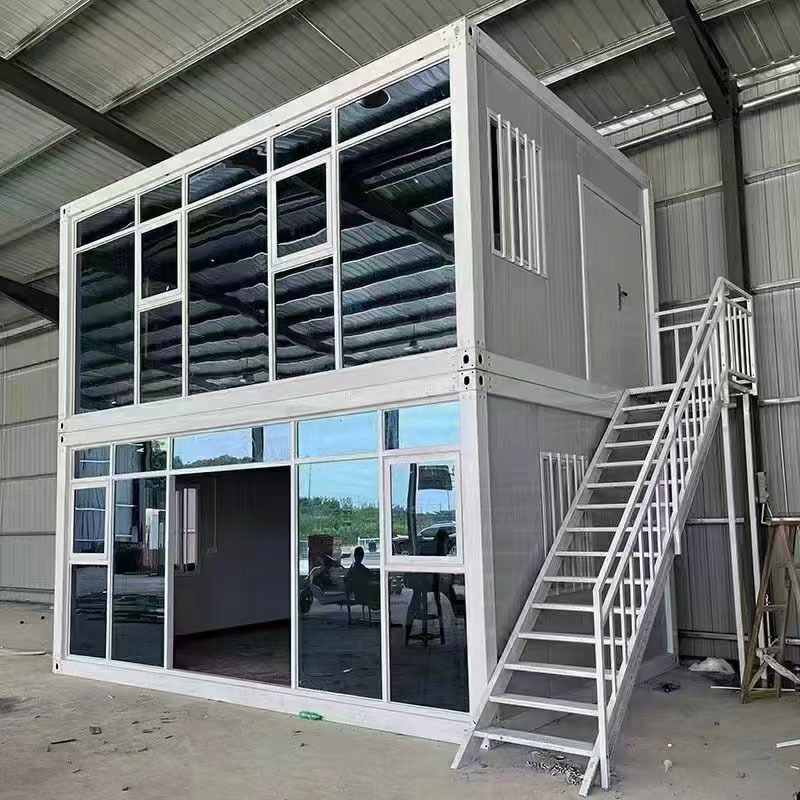
Inside container houses offer unparalleled flexibility in design. Architects and homeowners can customize these structures to suit their specific needs. Whether expanding the living space by combining multiple containers or creating a unique layout that maximizes natural light, the possibilities are endless. This adaptability makes container houses suitable for various uses, from compact urban dwellings to spacious family homes.
3.4 Speed of Construction
Time is often a crucial factor in home construction. Inside container houses can be built in a fraction of the time required for traditional homes. With the basic structure already in place, builders can focus on the interior finishes and utilities. This efficiency not only saves time but also allows homeowners to move into their new spaces sooner.
3.5 Durability and Safety
Container houses are constructed from steel, making them incredibly durable and resistant to environmental stressors. They can withstand harsh weather conditions, including heavy winds, snow, and rain. Moreover, their structural integrity provides enhanced safety, making them a secure choice for families.
4. Key Features of Inside Container Homes
Inside container homes showcase distinct features that enhance their appeal. These include:
- Customizable Layouts: Homeowners can choose from various configurations, from open-concept living spaces to private bedrooms.
- Energy Efficiency: High-quality insulation and energy-efficient appliances contribute to lower energy bills and a reduced ecological impact.
- Modern Amenities: Many inside container houses are equipped with modern conveniences, including high-speed internet, plumbing, and heating/cooling systems.
- Unique Aesthetic: The industrial look of steel combines with creative interior design to provide a unique living experience, often appealing to minimalists and design enthusiasts.
5. Transforming Spaces: The Interior Design of Container Houses
The interior design of inside container houses plays a vital role in transforming these simple steel structures into inviting homes. Homeowners can embrace various design styles, from contemporary and minimalist to rustic and eclectic. Effective use of space is crucial, and several design strategies can enhance the livability of container homes:
- Open Floor Plans: Eliminating unnecessary walls can create a sense of spaciousness.
- Vertical Storage Solutions: Utilizing vertical space helps maximize storage without cluttering the area.
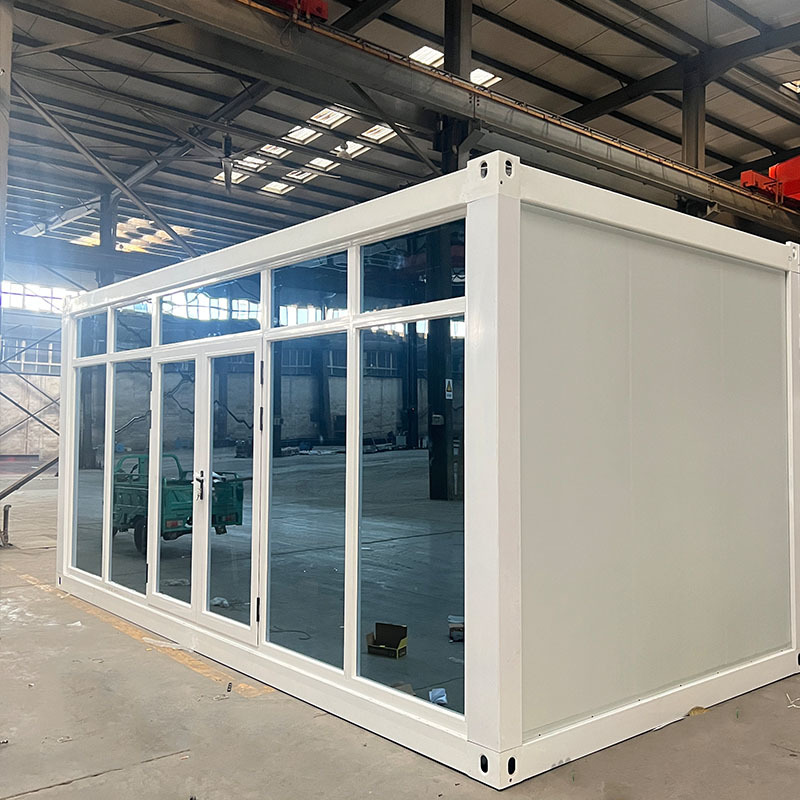
- Natural Light: Large windows and skylights can bring in natural light, making the space feel larger and more welcoming.
- Eco-Friendly Materials: Incorporating sustainable materials, such as reclaimed wood or bamboo, not only enhances the aesthetic but also aligns with eco-friendly living.
6. Challenges and Considerations for Container Home Owners
While inside container houses offer numerous benefits, potential owners should also be aware of the challenges associated with this housing option:
- Zoning and Building Regulations: Local regulations can affect the feasibility of constructing a container home. It's crucial to research and comply with zoning laws in your area.
- Insulation Needs: While containers are durable, they may require additional insulation to maintain comfortable temperatures in extreme weather conditions.
- Financing: Securing financing for container homes can be challenging, as traditional lenders may not be familiar with this housing type. Prospective buyers should explore specialized lenders or personal loans.
- Limited Space: While container homes can be spacious, they may not offer as much square footage as traditional homes, necessitating thoughtful design and organization.
7. Real-Life Examples of Inside Container Houses
Numerous innovative projects around the world showcase the potential of inside container houses. Here are a few noteworthy examples:
- The Container House in New York: This stunning home combines multiple shipping containers to create a striking contemporary residence, featuring a rooftop garden and eco-friendly technologies.
- The Tiny Container Home in Texas: A minimalist design that demonstrates how efficient use of space can lead to a cozy and functional living environment, this tiny home offers all the essentials without excess.
- Container Village in Amsterdam: This unique project comprises a community of container homes, promoting affordable living while fostering a sense of community among residents.
8. Conclusion
Inside container houses represent a forward-thinking approach to modern living. Their cost-effectiveness, sustainability, and design flexibility make them an attractive option for those seeking a unique and practical housing solution. By leveraging repurposed materials and innovative design strategies, homeowners can create comfortable living spaces that meet their needs while minimizing environmental impact. As the housing landscape continues to evolve, inside container houses will undoubtedly play a significant role in shaping the future of sustainable living.
9. FAQs about Inside Container Houses
What is the average cost of building an inside container house?
The cost of building an inside container house can vary widely based on location, design, and finishing choices. Generally, prices can range from $10,000 for a basic structure to over $100,000 for a fully customized home.
Are container houses safe in extreme weather?
Yes, container houses are built from steel, which provides excellent durability and resistance to harsh weather conditions, including strong winds and heavy rain.
How long do container homes last?
With proper maintenance and care, container homes can last for several decades, comparable to traditional homes.
Can I move a container house once it’s built?
Yes, one of the advantages of container houses is their mobility. However, relocating a container home may require significant planning and logistics, including permits.
Do container houses require special insurance?
Container homes may need specialized insurance coverage, as they are considered non-traditional homes. It’s advisable to consult with an insurance agent familiar with container homes.
By understanding the benefits and challenges of inside container houses, homeowners can make informed decisions about their living spaces. Embracing innovation, sustainability, and unique design can lead to a fulfilling modern lifestyle in an inside container home.
Key words:
What Else Might You Learn?



Can't find the service you're looking for? Contact us!
To inquire about our products, please leave your email to us and we will contact you within 24 hours.
Add
Wen 'an County, Langfang City, Hebei Province, China