Welcome to Hebei Luban Metal Structure Co., LTD.



Understanding the Transformative Benefits of Container House Construction
Release Time:
Apr 25,2025
Understanding the Transformative Benefits of Container House Construction Table of Contents 1. What is Container House Construction? 2. The Financial Advantages of Container Homes 3. Sustainability: Eco-Friendly Living 4. Speed of Construction: Efficiency at Its Best 5. Flexibility and Customization Options 6. Durability and Safety of Container Houses 7. Container Home
Understanding the Transformative Benefits of Container House Construction
Table of Contents
- 1. What is Container House Construction?
- 2. The Financial Advantages of Container Homes
- 3. Sustainability: Eco-Friendly Living
- 4. Speed of Construction: Efficiency at Its Best
- 5. Flexibility and Customization Options
- 6. Durability and Safety of Container Houses
- 7. Container Homes in Various Climates
- 8. Common Myths and Misconceptions About Container Construction
- 9. Frequently Asked Questions (FAQs)
- 10. Conclusion
1. What is Container House Construction?
Container house construction utilizes repurposed shipping containers as the primary building material. These containers are designed for transporting goods across oceans, but innovative architects and builders have recognized their potential for creating affordable, durable, and stylish homes. By transforming these robust metal boxes into living spaces, container homes offer an alternative to traditional construction methods, allowing for a unique blend of functionality and design.
2. The Financial Advantages of Container Homes
One of the most compelling reasons to consider container house construction is the **financial benefits**. Building a home from shipping containers can significantly reduce costs when compared to conventional building methods. Here are several ways in which container homes are more cost-effective:
Initial Cost Savings
Container homes generally require a lower initial investment. The average cost of a standard container is significantly less than traditional building materials. Depending on size and condition, one can acquire containers for anywhere between $1,500 and $5,000, making them an attractive option for budget-conscious homeowners.
Reduced Labor Costs
The simplicity of working with containers can also lead to **lower labor costs**. Many builders find that the modular nature of containers simplifies the construction process, allowing for quicker assembly and less time on-site. This efficiency translates to reduced labor expenses.
Lower Utility Expenses
Container homes can be designed to maximize energy efficiency. By incorporating **energy-efficient appliances**, solar panels, and proper insulation, owners can minimize utility bills, leading to long-term savings. Many container homes utilize sustainable technologies, making them not only cost-effective but environmentally friendly as well.
3. Sustainability: Eco-Friendly Living
In today’s world, sustainability is a crucial factor in home construction. Container homes present a unique opportunity to promote eco-friendly living. Here’s how:
Recycling and Repurposing
The use of shipping containers as building materials is inherently sustainable. By repurposing containers that would otherwise contribute to waste, homeowners can reduce their carbon footprint significantly. This process aligns with the principles of **recycling**, making container homes an eco-conscious choice.
Energy Efficiency
Container homes can be designed to optimize energy usage. The **insulation** materials used can dramatically reduce the need for heating and cooling, further lowering energy consumption. Many container homes also take advantage of natural light through large windows, reducing reliance on artificial lighting.
Smaller Footprint
Container homes often have a smaller physical footprint than traditional houses. This compact design not only minimizes land use but also creates less environmental disruption during the building process.
4. Speed of Construction: Efficiency at Its Best
The speed of construction is another major advantage of container house construction. Here’s why:
Quick Assembly
The modular nature of shipping containers allows for rapid assembly. Since the containers are already pre-fabricated, the time required for on-site construction is considerably reduced. Homeowners can often move into their new homes much faster than with traditional builds, which can take months or even years to complete.
Reduced Weather Delays
Because much of the work is done off-site, container construction is less affected by adverse weather conditions, allowing for a more consistent building schedule. This reliability can be a significant advantage for builders facing uncertain weather patterns.
5. Flexibility and Customization Options
Container homes offer remarkable flexibility and customization opportunities. Here’s how:
Modular Design
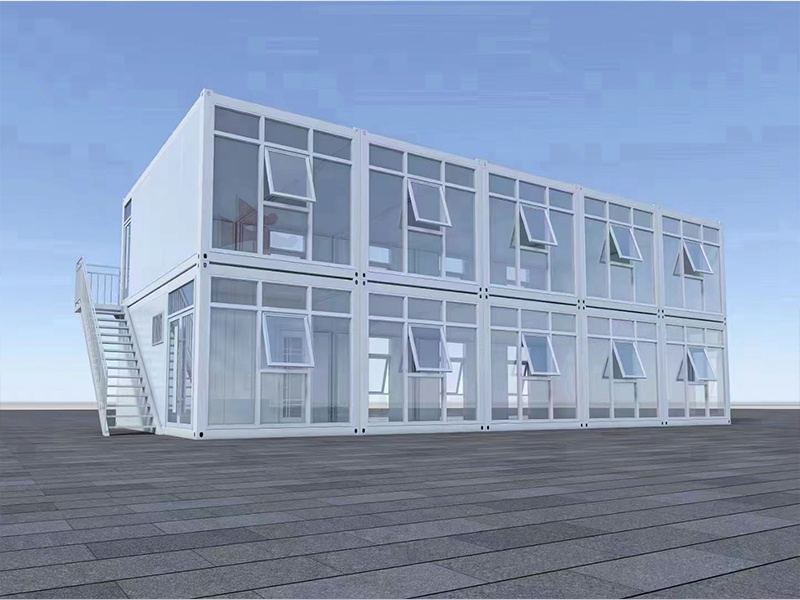
Container houses can be easily expanded or modified. Homeowners can combine multiple containers to create larger living spaces or customize the layout to fit their needs. This flexibility allows for a unique design that can reflect personal tastes and preferences.
Creative Architectural Solutions
The possibilities for creativity in container home design are virtually limitless. Architects can experiment with stacks, orientations, and finishes to create aesthetically stunning homes that stand out in any neighborhood.
6. Durability and Safety of Container Houses
Durability is a key characteristic that makes container homes a desirable option. Here’s what sets them apart:
Weather Resistance
Shipping containers are designed to withstand harsh marine environments, making them inherently durable. They are resistant to extreme weather conditions, including high winds, heavy rain, and even earthquakes, providing homeowners with peace of mind.
Fire Resistance
The metal construction of shipping containers offers a significant advantage in terms of fire resistance compared to traditional wood-frame homes. This safety feature is particularly appealing for those living in areas prone to wildfires.
7. Container Homes in Various Climates
Container homes can adapt to various climates, making them a versatile choice for homeowners in different regions. Here’s how:
Heat Regulation
With proper insulation and design, container homes can remain cool in hot climates and warm in cold climates. Builders can incorporate materials and techniques that enhance the container's ability to regulate temperature, ensuring comfort year-round.
Adaptability to Local Conditions
Container homes can be customized to meet local weather challenges, such as heavy snowfall or high humidity. This adaptability makes them an excellent choice for diverse geographic locations.
8. Common Myths and Misconceptions About Container Construction
Despite the growing popularity of container homes, there are still several myths that circulate regarding their construction and livability.
Myth 1: Container Homes are Uncomfortable
While some may assume that living in a metal box is uncomfortable, modern container homes are designed with amenities that ensure comfort and style. With proper insulation and ventilation, they can be just as comfortable as traditional homes.
Myth 2: They Are Difficult to Finance
Financing for container homes has become easier as their popularity rises. Many lenders are now willing to finance these unique properties, dispelling the myth that they are difficult to fund.
Myth 3: Limited Space Equals Limited Options
Container homes can be designed with creative layouts to maximize space. Innovative storage solutions and multi-functional furniture can transform small spaces into highly functional homes.
9. Frequently Asked Questions (FAQs)
What is the average cost of building a container home?
The average cost varies based on size, design, and location but typically ranges from $10,000 to $200,000, including land.
Are container homes safe in extreme weather?
Yes, container homes are built to withstand severe weather conditions, making them safe in various environments.
How long do container homes last?
With proper maintenance, container homes can last for 25 years or more.
Can I get a mortgage for a container home?
Yes, many lenders now offer financing options for container homes, making it easier to secure a mortgage.
Are container homes energy-efficient?
Yes, container homes can be designed with energy-efficient features, such as solar panels and proper insulation, leading to significant savings on utility bills.
10. Conclusion
Container house construction represents a revolutionary approach to homebuilding. With financial advantages, sustainability, speed of construction, and unparalleled flexibility, these innovative homes are changing how we think about living spaces. As we move towards a future where efficiency and eco-friendliness are paramount, container homes stand out as a practical and stylish solution. By understanding the multifaceted benefits of container house construction, homeowners and builders alike can make informed decisions that align with their values and lifestyles. Embrace the future of living with container homes that embody creativity, durability, and sustainability.
Key words:
What Else Might You Learn?



Can't find the service you're looking for? Contact us!
To inquire about our products, please leave your email to us and we will contact you within 24 hours.
Add
Wen 'an County, Langfang City, Hebei Province, China