Welcome to Hebei Luban Metal Structure Co., LTD.



Exploring the Benefits and Applications of Modular Office Buildings
Release Time:
Mar 21,2025
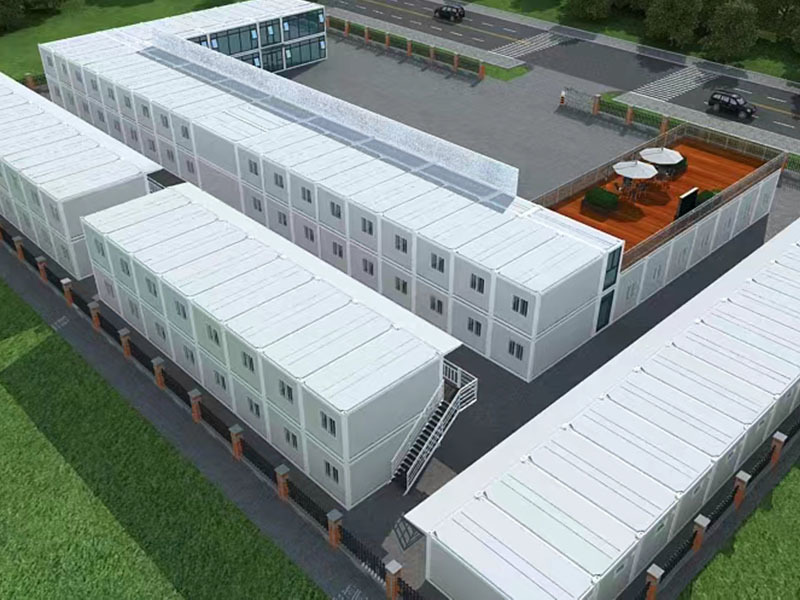
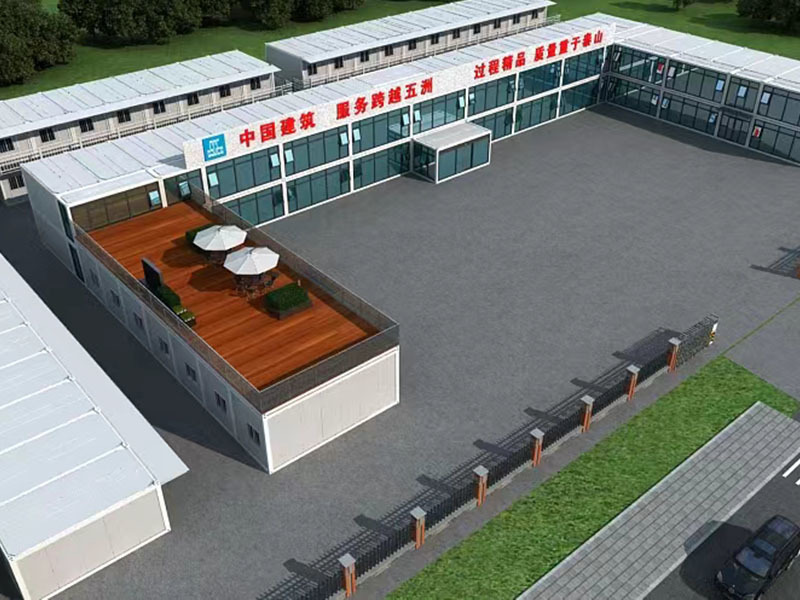
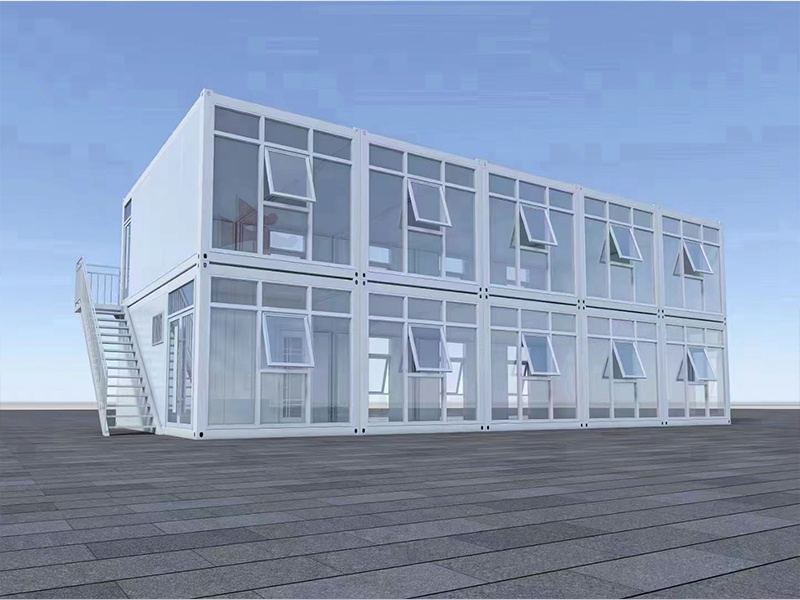
Modular office buildings are innovative structures that are pre-fabricated off-site and assembled on location, offering a flexible and efficient solution for modern workspaces. This approach to construction is gaining traction in the commercial sector due to its numerous advantages, which include shorter construction times, cost efficiency, and reduced environmental impact. One of the primary bene
Modular office buildings are innovative structures that are pre-fabricated off-site and assembled on location, offering a flexible and efficient solution for modern workspaces. This approach to construction is gaining traction in the commercial sector due to its numerous advantages, which include shorter construction times, cost efficiency, and reduced environmental impact.
One of the primary benefits of modular office buildings is their speed of construction. Traditional building methods can be time-consuming, often resulting in delays due to weather, labor shortages, or supply chain issues. In contrast, modular buildings can be constructed in a fraction of the time since the modules are fabricated in a controlled environment. Once the site is ready, assembly can take place within days or weeks, allowing businesses to occupy their new office space much sooner.
Another significant advantage is cost efficiency. Modular construction reduces labor costs and material waste, as components are manufactured with precision in a factory setting. This streamlined process can lead to significant savings, making modular office buildings an attractive option for businesses looking to optimize their budgets without compromising on quality.
Sustainability is also a key consideration in the rise of modular office buildings. Many manufacturers use eco-friendly materials and practices in their construction processes, minimizing the carbon footprint associated with traditional building methods. The ability to design adaptable spaces that can be reconfigured or relocated further contributes to sustainability efforts, as businesses can grow and change without the need for extensive renovation or new construction.
The versatility of modular office buildings allows them to be tailored to various industries and needs. Whether it's a temporary solution for project teams, a permanent corporate headquarters, or a satellite office for remote workers, modular design can accommodate a range of layouts and styles. This adaptability supports the evolving nature of work environments, where open spaces, collaborative areas, and private offices can be created within the same structure.
Moreover, the use of modular buildings is not limited to urban settings; they can also be effectively utilized in remote locations or areas that lack traditional construction resources. This flexibility makes modular office buildings an ideal solution for disaster relief efforts, educational facilities, and healthcare settings, where the need for quick and reliable infrastructure is paramount.
In summary, modular office buildings represent a forward-thinking approach to workspace design, offering numerous benefits such as quick assembly, cost savings, and sustainability. As businesses seek innovative solutions that align with modern work trends, modular construction is set to play a pivotal role in redefining the future of office environments. Embracing this approach can lead to enhanced productivity, employee satisfaction, and a positive impact on the environment.
Key words:
What Else Might You Learn?



Can't find the service you're looking for? Contact us!
To inquire about our products, please leave your email to us and we will contact you within 24 hours.
Add
Wen 'an County, Langfang City, Hebei Province, China