Welcome to Hebei Luban Metal Structure Co., LTD.



Understanding Modular Offices: A Flexible Solution for Modern Workspaces
Release Time:
May 15,2026
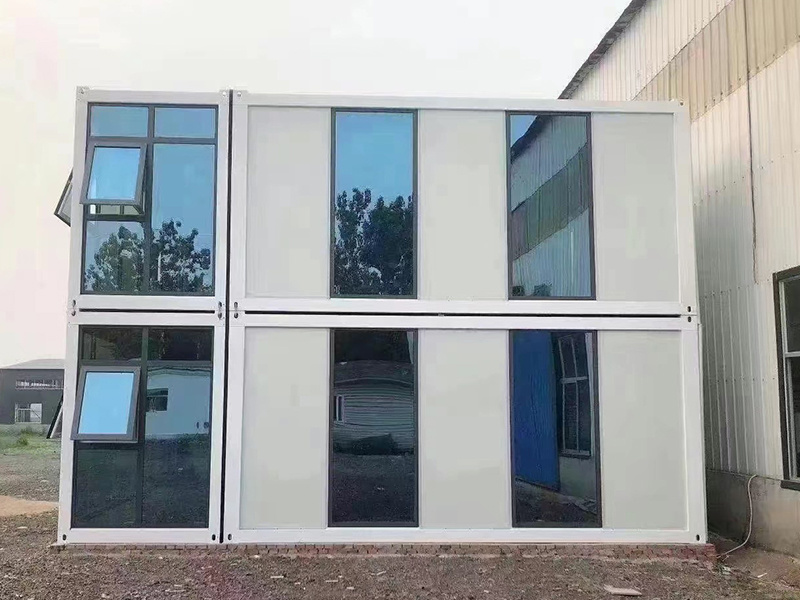
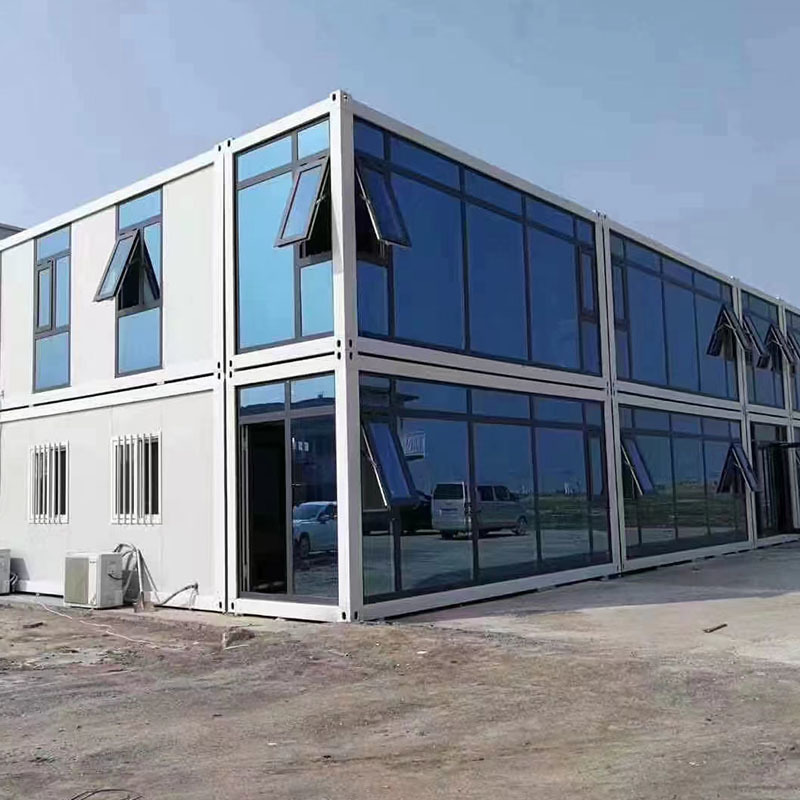
In recent years, the concept of modular offices has gained significant traction in the architectural and construction industry, particularly in the realm of building materials. Modular offices are designed to offer a flexible and efficient workspace that can be easily reconfigured to meet the changing needs of businesses. This innovative solution provides several advantages, making it an appealing
One of the primary benefits of modular offices is their adaptability. Unlike traditional office spaces, which often require extensive structural changes for modifications, modular offices can be quickly and easily reconfigured. Whether it’s for an expanding team or a shift in business strategy, companies can reorganize their space without the hassle of significant construction work. This adaptability is especially valuable in today’s fast-paced business environment, where agility can lead to a competitive edge.
Sustainability is another key feature of modular offices. The construction process for modular office components typically produces less waste compared to conventional building methods. Many modular office designs emphasize eco-friendly materials and efficient energy use, aligning with the growing demand for sustainable building practices. As the construction industry moves towards greener solutions, modular offices represent an effective choice for businesses aiming to reduce their environmental footprint.
Furthermore, modular offices can be more cost-effective than traditional office spaces. The streamlined production process and reduced construction time often translate into lower overall costs. With many companies seeking to optimize their operational budgets, modular offices present a financially viable option without compromising on quality or functionality.
Additionally, the aesthetic appeal of modular offices should not be overlooked. Advances in design technology have enabled architects and builders to create visually stunning modular spaces that can enhance any work environment. From modern, minimalist styles to vibrant and collaborative layouts, modular offices can reflect a company’s brand identity while fostering a motivating atmosphere for employees.
In conclusion, modular offices have emerged as a groundbreaking solution in the field of construction and design. Their flexibility, sustainability, cost-effectiveness, and aesthetic versatility make them an attractive option for businesses looking to enhance their workspaces. As more companies recognize the benefits of this innovative approach, modular offices are likely to play a significant role in the future of workplace design. Embracing this trend can lead to a more dynamic and efficient work environment, positioning businesses for success in an ever-evolving market.
Key words:
What Else Might You Learn?




Can't find the service you're looking for? Contact us!
To inquire about our products, please leave your email to us and we will contact you within 24 hours.
Add
Wen 'an County, Langfang City, Hebei Province, China