Welcome to Hebei Luban Metal Structure Co., LTD.



Maximizing Productivity: The Benefits of Container Office Space
Release Time:
Jan 10,2026
Maximizing Productivity: The Benefits of Container Office Space In today’s fast-evolving business landscape, companies are continually seeking innovative solutions to enhance productivity and optimize their working environments. One such solution is the use of container office spaces. These versatile structures offer numerous advantages, from cost savings to sustainable practices, making them an a
Maximizing Productivity: The Benefits of Container Office Space
In today’s fast-evolving business landscape, companies are continually seeking innovative solutions to enhance productivity and optimize their working environments. One such solution is the use of container office spaces. These versatile structures offer numerous advantages, from cost savings to sustainable practices, making them an appealing choice for businesses of all sizes. In this article, we will delve deep into the many benefits of container office spaces and explore how they can maximize productivity in the modern workplace.
Table of Contents
- Introduction to Container Offices
- Advantages of Container Offices
- Flexibility and Customization Options
- Sustainability and Environmental Impact
- Cost-Effectiveness of Container Offices
- Case Studies of Successful Container Offices
- Container Offices vs. Traditional Offices
- The Future of Container Offices
- Conclusion
- FAQs About Container Office Spaces
Introduction to Container Offices
Container offices are a revolutionary concept in the architectural and commercial sectors. Originally designed for transporting goods, shipping containers have been repurposed into functional office spaces that cater to diverse business needs. This transformation is not merely a trend; it reflects a significant shift towards innovative, efficient, and flexible working environments. By utilizing repurposed materials, container offices embody a forward-thinking approach to modern workspaces.
Advantages of Container Offices
Container office spaces present an array of advantages that contribute to increased productivity. Here are some key benefits:
1. Space Efficiency
Container offices can be designed to fit a variety of layouts, making them ideal for maximizing space. Their modular nature allows businesses to create personalized environments, whether they need open workspaces, private offices, or collaborative areas.
2. Quick Setup and Mobility
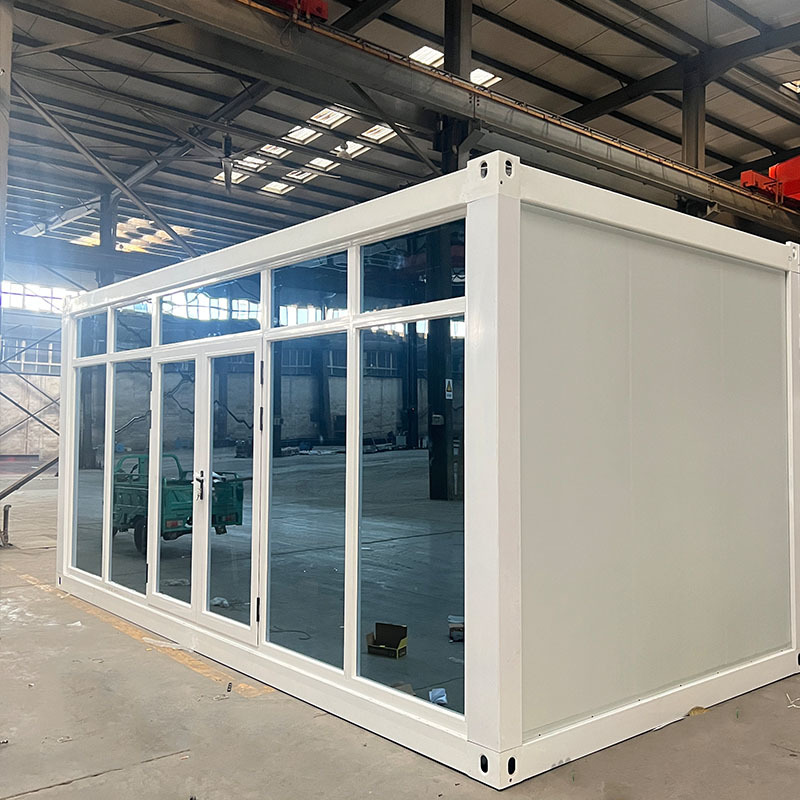
With container office spaces, businesses can set up operations rapidly. Containers are pre-fabricated, allowing for quick assembly and relocation. This mobility is particularly advantageous for companies that require flexibility or operate in dynamic industries.
3. Enhanced Collaboration
Container offices can foster a collaborative environment. They typically feature open spaces that encourage teamwork and communication among employees, crucial elements for maximizing productivity.
Flexibility and Customization Options
One of the standout features of container office spaces is their flexibility. Businesses can customize their container offices according to specific needs.
1. Modular Designs
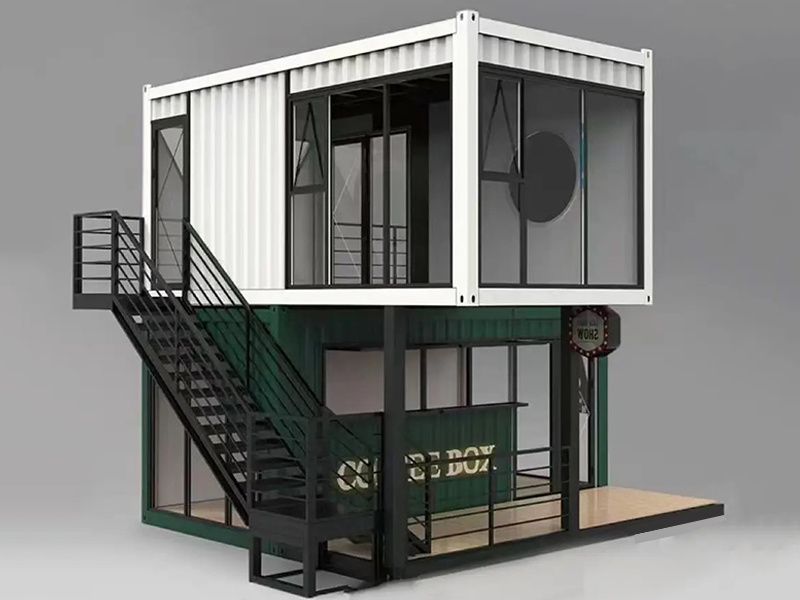
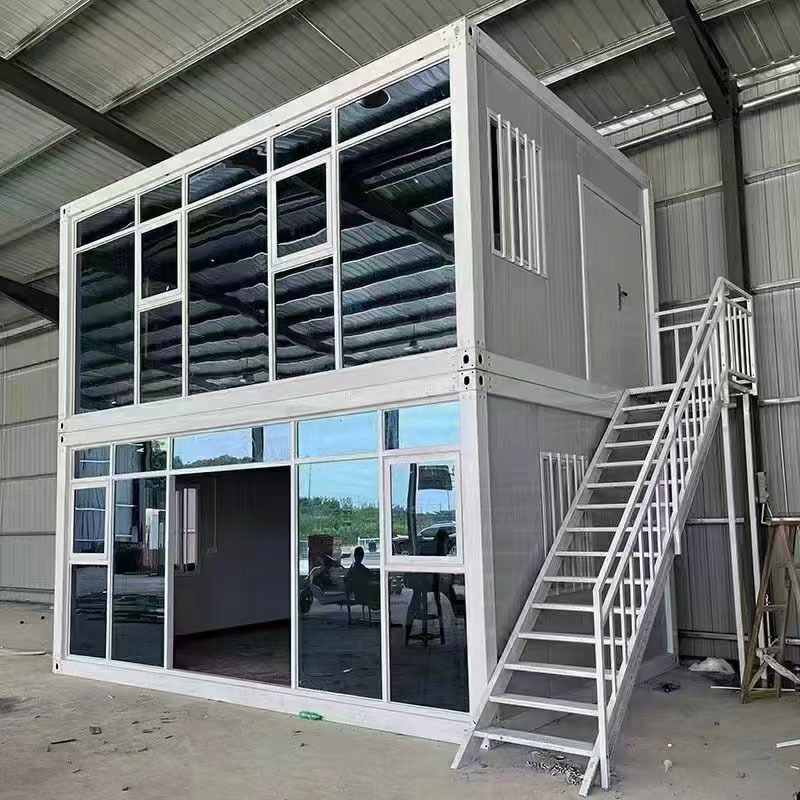
Containers can be stacked or arranged in various configurations, allowing for limitless design possibilities. This modular approach can accommodate growing teams by adding more units as needed.
2. Tailored Interiors
From furniture choices to technology integration, container offices can be tailored to reflect a company's culture and brand. This personalization can enhance employee satisfaction and productivity.
Sustainability and Environmental Impact
Container offices are not only functional but also environmentally friendly. Their sustainable design offers several environmental benefits.
1. Repurposed Materials
By utilizing shipping containers, businesses are repurposing materials that would otherwise contribute to waste. This practice aligns with the growing emphasis on sustainability in construction.
2. Energy Efficiency
Container offices can be designed with energy-efficient features such as insulation, solar panels, and energy-efficient lighting, further reducing their environmental footprint. This emphasis on sustainability can also contribute to lower operating costs.
Cost-Effectiveness of Container Offices
Cost considerations are paramount for any business. Container offices offer a financially viable solution for companies looking to minimize expenses while maximizing functionality.
1. Lower Construction Costs
Building a traditional office can be expensive. Container offices, on the other hand, require less material and labor, significantly reducing construction costs.
2. Long-Term Savings
Aside from initial costs, container offices can lead to long-term savings in maintenance and operational expenses. Their durability ensures less frequent repairs and replacements.
Case Studies of Successful Container Offices
Numerous companies have successfully integrated container office spaces into their operations. Here are a few noteworthy examples:
1. Startup Incubator Spaces
Many tech startups have adopted container offices for their incubator spaces, capitalizing on the flexibility and collaborative potential these structures offer. They create vibrant work environments that stimulate innovation and creativity.
2. Retail and Showroom Spaces
Some businesses have utilized container offices as pop-up retail spaces or showrooms. The unique appearance of container structures attracts customers, making them ideal for marketing initiatives.
Container Offices vs. Traditional Offices
When comparing container offices to traditional office spaces, several distinctions emerge:
1. Adaptability
Container offices are far more adaptable than traditional spaces, accommodating changes in workforce size and layout with ease.
2. Construction Time
Unlike traditional offices that can take months or even years to construct, container offices can be operational in a matter of weeks.
3. Aesthetic Appeal
The modern, industrial aesthetic of container offices is appealing to many businesses, particularly those in creative industries.
The Future of Container Offices
As businesses continue to evolve, so too will the demand for innovative office solutions. Container offices are poised to play a significant role in shaping the future of workspaces. With increasing emphasis on sustainability, flexibility, and cost-effectiveness, container offices will likely become a mainstream option for many organizations.
Conclusion
Container office spaces represent a transformative approach to modern work environments. Their unique advantages—ranging from cost-effectiveness to sustainability and flexibility—underscore their potential to maximize productivity. As businesses seek innovative ways to create effective workplaces, container offices will remain at the forefront of architectural solutions. Embracing this trend can empower organizations to thrive in an ever-changing business landscape.
FAQs About Container Office Spaces
1. What are container office spaces?
Container office spaces are repurposed shipping containers converted into functional workspaces. They offer flexibility, sustainability, and cost-effectiveness for various business needs.
2. How long does it take to set up a container office?
Container offices can be set up in a matter of weeks, significantly faster than traditional office construction, which can take several months.
3. Are container offices environmentally friendly?
Yes, container offices utilize repurposed materials and can be designed for energy efficiency, making them an environmentally sustainable option.
4. Can I customize my container office?
Absolutely! Container offices can be tailored to fit your specific requirements, including layout, interior design, and technology integration.
5. What are the cost benefits of container offices?
Container offices generally require lower upfront construction costs and can lead to long-term savings in maintenance and operational expenses.
Key words:
What Else Might You Learn?



Can't find the service you're looking for? Contact us!
To inquire about our products, please leave your email to us and we will contact you within 24 hours.
Add
Wen 'an County, Langfang City, Hebei Province, China