Welcome to Hebei Luban Metal Structure Co., LTD.



Exploring the Benefits and Features of Container Homes: A Modular Approach to Modern Living
Release Time:
Jul 29,2024
Container homes, particularly those built using a modular approach, have emerged as an exciting option in the realm of sustainable architecture. These homes, constructed from repurposed shipping containers, offer a unique solution to modern housing challenges. With the global push for environmentally friendly living, container homes are gaining traction for their functional design, cost-effectiven
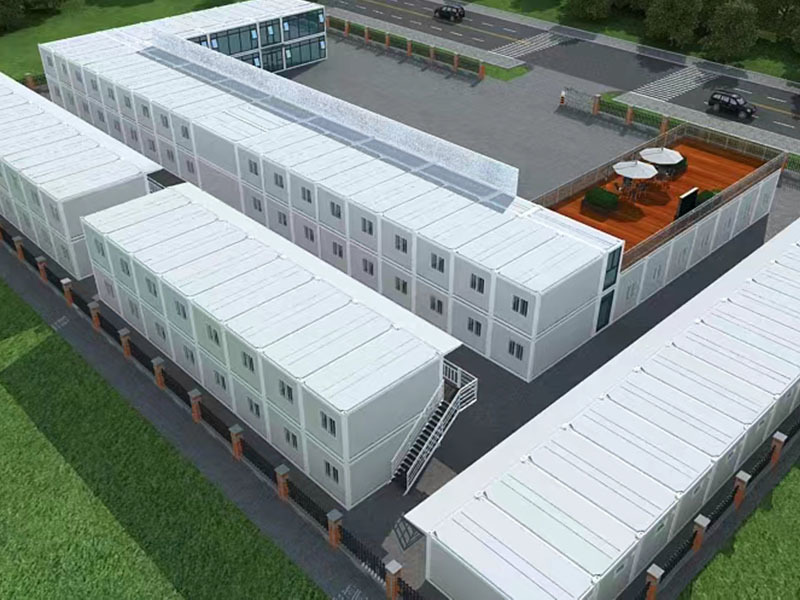
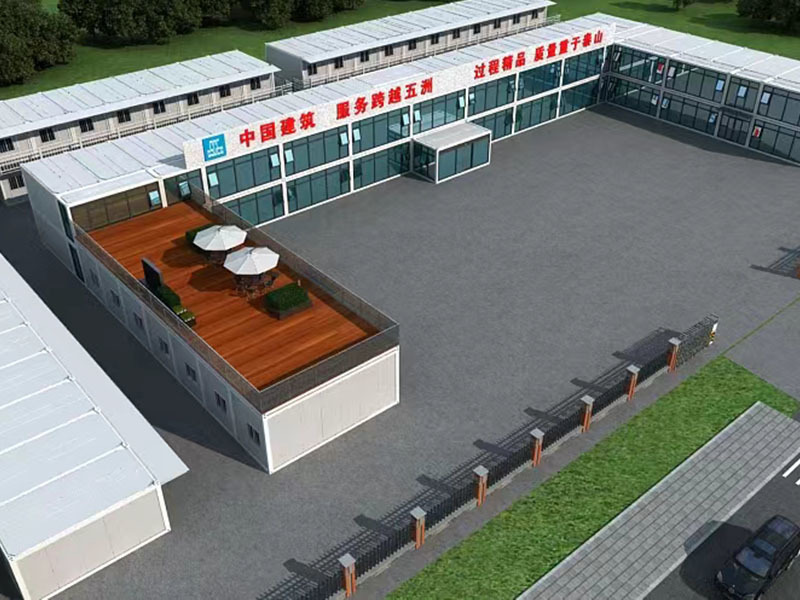
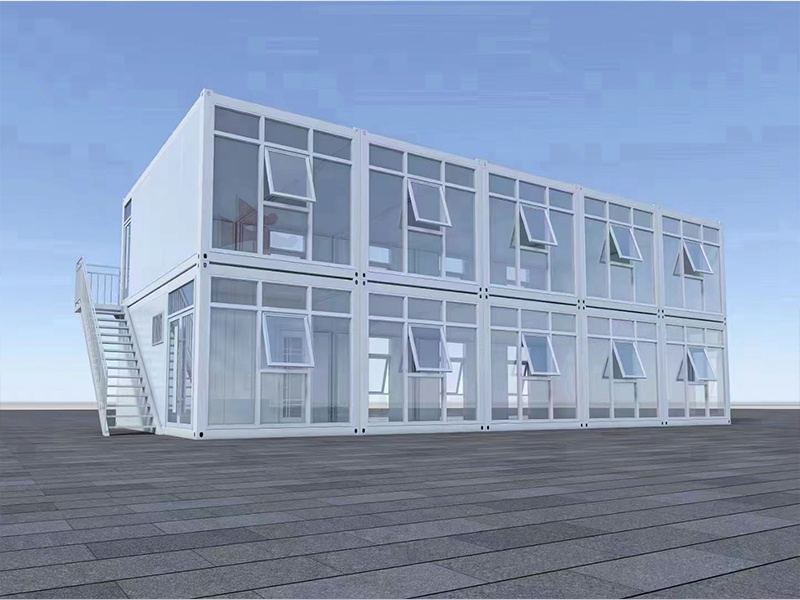
One of the primary benefits of container homes is their modular design. Modular construction allows for quick assembly and customization, making it easier for homeowners to adjust the space according to their needs. Each shipping container can serve as a standalone unit or be combined with others to create larger living spaces, such as multi-family dwellings or community housing projects. This adaptability makes container homes a practical choice for various applications, from single-family residences to temporary housing solutions for disaster relief.
Moreover, container homes exhibit remarkable durability. Designed to withstand the harsh conditions of the high seas, these structures are built to last. The steel frame of shipping containers provides excellent resistance against extreme weather conditions, pests, and fire, ensuring a long lifespan with minimal maintenance requirements. Additionally, their robust nature contributes to the overall safety and security of the occupants.
Sustainability is another significant aspect of container homes. By repurposing used shipping containers, builders can significantly reduce waste and the demand for new materials. This recycling process not only lessens the carbon footprint associated with traditional building methods but also promotes a more sustainable approach to living. Furthermore, container homes can be enhanced with energy-efficient features such as solar panels, green roofs, and rainwater harvesting systems, further minimizing their environmental impact.
Container homes also offer financial advantages. They typically require less time and labor to construct compared to conventional homes, resulting in lower overall costs. Additionally, their compact size may lead to reductions in utility expenses, making them an attractive option for budget-conscious buyers. The potential for reduced property taxes and maintenance costs also adds to their appeal.
In conclusion, container homes built using a modular approach present a forward-thinking solution for modern housing. Their unique design offers flexibility, durability, and sustainability, making them an appealing choice for those looking to embrace innovative living solutions. As interest in eco-friendly and efficient building practices continues to grow, container homes are poised to play a significant role in the future of architecture. Whether you are a potential homeowner or a builder, exploring the possibilities of container homes could lead to exciting opportunities in today's evolving housing market.
Key words:
What Else Might You Learn?



Can't find the service you're looking for? Contact us!
To inquire about our products, please leave your email to us and we will contact you within 24 hours.
Add
Wen 'an County, Langfang City, Hebei Province, China