Welcome to Hebei Luban Metal Structure Co., LTD.



Innovative Shipping Container Cottages: A Sustainable Solution for Modern Living
Release Time:
Aug 03,2024
Shipping container cottages are emerging as a compelling alternative in the realm of architecture and construction, particularly within the context of sustainable living. As the demand for eco-friendly housing increases, shipping containers — initially designed for transport — are being repurposed into charming and functional dwellings. This trend not only addresses housing shortages but also alig
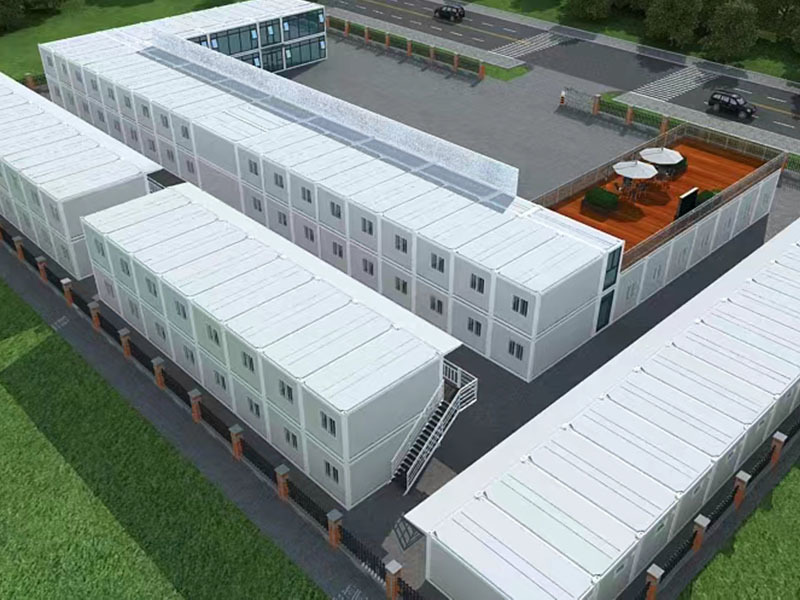
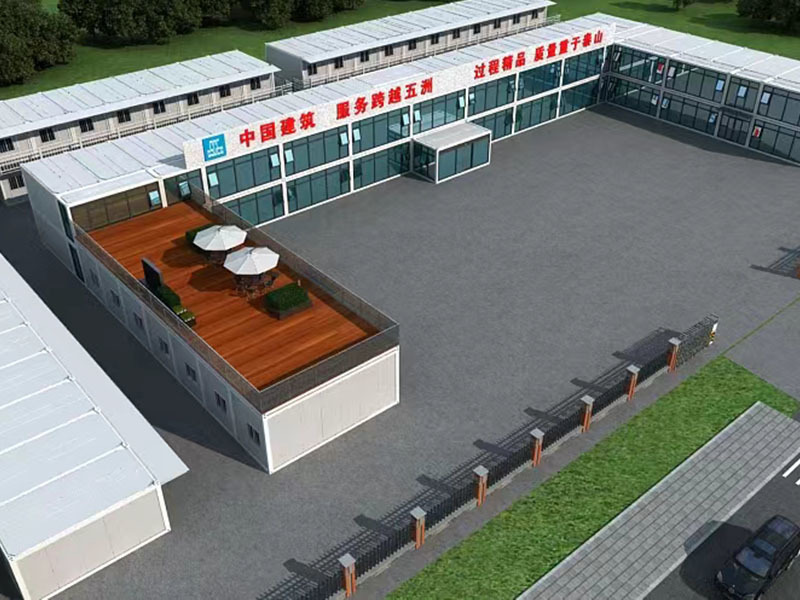
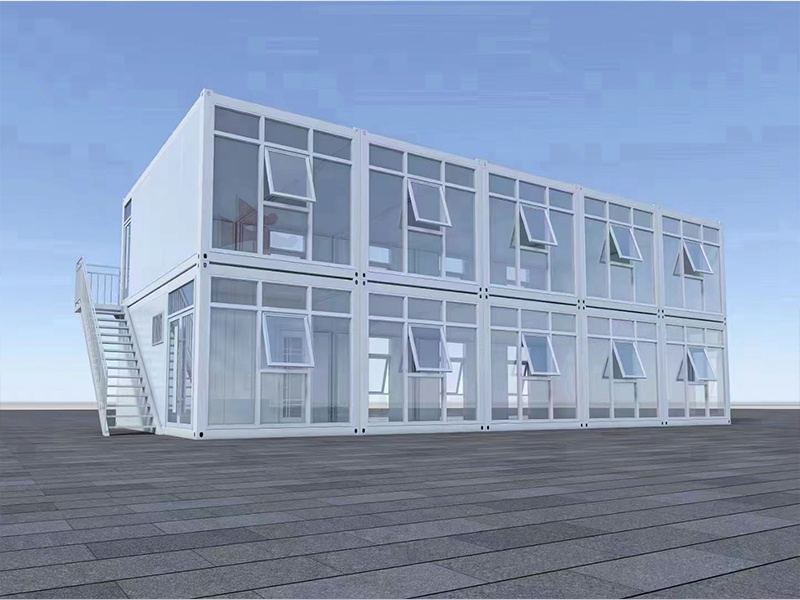
One of the most significant advantages of shipping container cottages is their sustainability. Constructed from steel, these containers are durable and resistant to extreme weather conditions. They provide an excellent foundation for energy-efficient homes that can be outfitted with solar panels, rainwater harvesting systems, and efficient insulation methods. By utilizing materials that might otherwise go to waste, this approach minimizes landfill contributions and leverages existing resources.
In terms of design flexibility, shipping container cottages can be easily modified and customized. Architects and builders can combine multiple containers to create larger spaces or stack them to add vertical living areas. This adaptability enables homeowners to tailor their residences to suit their specific needs, whether they seek a compact studio or a larger family dwelling. Furthermore, the aesthetic possibilities are vast; with the right finishes and landscaping, these structures can blend seamlessly into a variety of environments, from urban settings to remote locations.
Another vital aspect of shipping container cottages is their cost-effectiveness. While the initial outlay may vary depending on the site and design complexity, the overall construction costs are often lower than traditional building methods. The rapid assembly process can significantly reduce labor costs, and the durability of containers leads to lower maintenance expenses over time. This economic advantage makes container cottages an appealing option for first-time homeowners or those looking to downsize.
Moreover, the mobility of shipping container cottages allows for unique living experiences. Homeowners can choose to relocate their cottage if required, offering a sense of freedom that traditional homes do not provide. This mobility is particularly attractive for individuals seeking to live sustainably while maintaining a nomadic lifestyle.
In summary, shipping container cottages represent a significant innovation in the architectural landscape. Their environmental benefits, design versatility, cost efficiency, and mobility make them a standout choice for modern living. As this trend continues to grow, professionals in the construction and architecture fields should consider how to incorporate these unique structures into their projects, thus contributing to a more sustainable future.
Key words:
What Else Might You Learn?



Can't find the service you're looking for? Contact us!
To inquire about our products, please leave your email to us and we will contact you within 24 hours.
Add
Wen 'an County, Langfang City, Hebei Province, China