Welcome to Hebei Luban Metal Structure Co., LTD.



The Future of Living: Exploring Container Homes and Modular Construction
Release Time:
Aug 09,2024
Container homes and modular construction have garnered significant attention in recent years, transforming the way we think about living spaces. These structures, often built from recycled shipping containers or prefabricated modules, offer a unique blend of sustainability, affordability, and versatility. This article delves into the various aspects of container homes and modular construction, pro
One of the most appealing features of container homes is their eco-friendliness. Utilizing shipping containers, which would otherwise contribute to waste, helps reduce the carbon footprint associated with traditional building materials. The modular approach also allows for energy-efficient designs that can incorporate renewable energy sources, such as solar panels, further minimizing environmental impact.
Additionally, container homes and modular units are known for their cost-effectiveness. Building with containers can significantly lower material costs, while modular construction often leads to reduced labor expenses and shorter build times. This efficiency is attractive to both developers and individuals seeking affordable housing options. As urban populations continue to grow, the need for quick-to-construct, budget-friendly homes becomes increasingly critical.
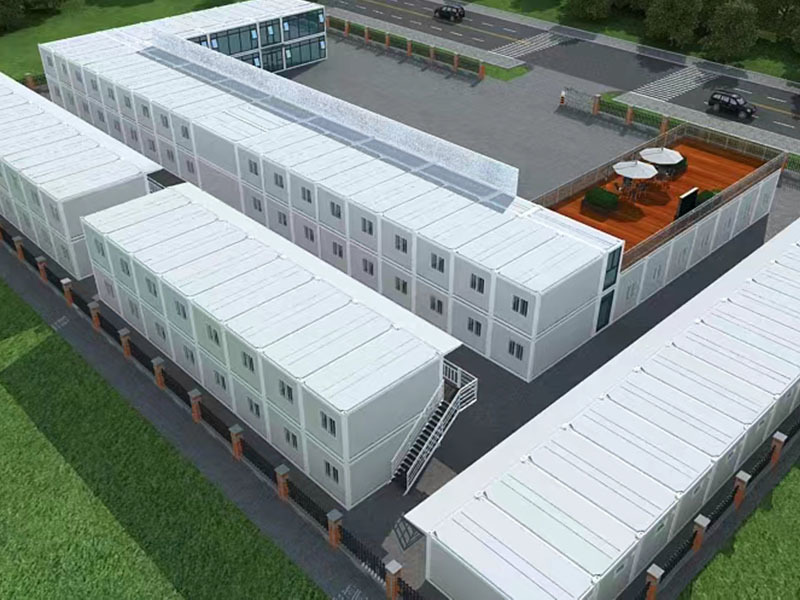
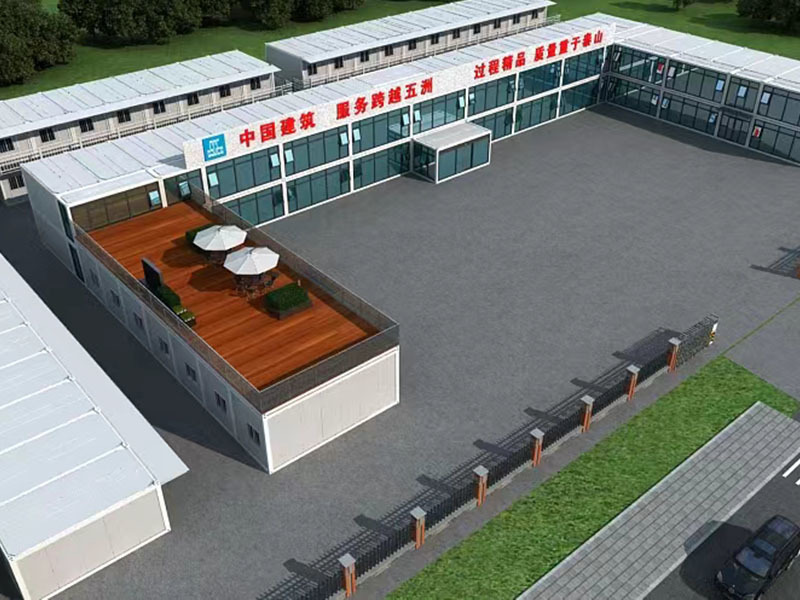
Versatility is another key advantage of container homes and modular construction. These structures can be customized to fit a wide range of needs, from single-family residences to multi-unit complexes. Their compact nature makes them suitable for various locations, including urban areas with limited space. Furthermore, the modular building process allows for the easy addition of units, creating expandable living solutions that can evolve with the needs of their occupants.
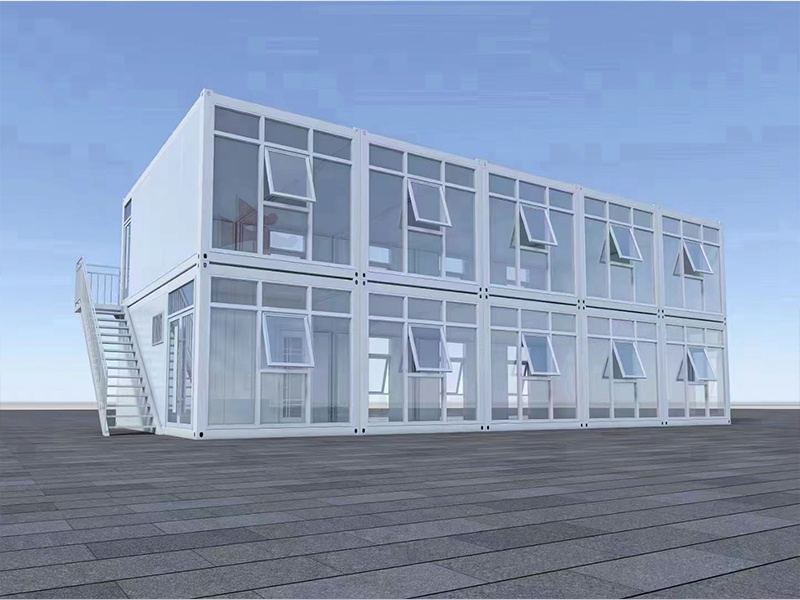
In terms of design, container homes can be highly aesthetic. Architects and designers have embraced the challenge of transforming these utilitarian structures into stylish and comfortable living spaces. From modern minimalist designs to more eclectic styles, the possibilities for customization are endless, appealing to a wide array of tastes and preferences.
In conclusion, container homes and modular construction represent a promising direction for the future of housing. Their sustainability, affordability, and design flexibility position them as practical solutions in a rapidly changing world. As the industry continues to evolve, these innovative building methods may redefine our understanding of home and community, making them worthy of consideration for both individuals and professionals in the building and construction sector.
Key words:
What Else Might You Learn?



Can't find the service you're looking for? Contact us!
To inquire about our products, please leave your email to us and we will contact you within 24 hours.
Add
Wen 'an County, Langfang City, Hebei Province, China