Welcome to Hebei Luban Metal Structure Co., LTD.



Transforming Spaces: Innovative Design Ideas for Utilizing Shipping Containers as Accommodation Solutions
Release Time:
Aug 12,2024
Transforming Spaces: Innovative Design Ideas for Utilizing Shipping Containers as Accommodation Solutions Table of Contents 1. Introduction: The Rise of Shipping Container Accommodation 2. Benefits of Using Shipping Containers for Accommodation 3. Creative and Innovative Design Ideas 3.1. Single Container Units 3.2. Multi-Container Configurations
Transforming Spaces: Innovative Design Ideas for Utilizing Shipping Containers as Accommodation Solutions
Table of Contents
- 1. Introduction: The Rise of Shipping Container Accommodation
- 2. Benefits of Using Shipping Containers for Accommodation
- 3. Creative and Innovative Design Ideas
- 3.1. Single Container Units
- 3.2. Multi-Container Configurations
- 3.3. Shipping Container Villas
- 3.4. Eco-Friendly Container Homes
- 3.5. Luxury Shipping Container Accommodations
- 4. Challenges and Considerations in Shipping Container Design
- 5. Construction and Safety Regulations for Container Homes
- 6. Interior Design Tips for Container Living
- 7. Real-World Examples of Shipping Container Accommodations
- 8. Frequently Asked Questions
- 9. Conclusion: The Future of Container Accommodation
1. Introduction: The Rise of Shipping Container Accommodation
In recent years, the use of shipping containers as accommodation solutions has gained immense popularity. As urbanization continues to surge, and the need for affordable housing rises, these versatile structures have emerged as innovative alternatives. Shipping containers are not only cost-effective but also eco-friendly, providing a sustainable option for those looking to build unique living spaces. This article explores innovative design ideas for utilizing shipping containers as accommodation solutions, showcasing both creative possibilities and practical applications.
2. Benefits of Using Shipping Containers for Accommodation
Shipping containers offer numerous advantages that make them an attractive choice for accommodation solutions. Here are some of the key benefits:
2.1. Affordability
One of the most significant benefits of using shipping containers is their cost-effectiveness. Compared to traditional building materials, containers are relatively inexpensive, making them an attractive option for budget-conscious individuals and developers.
2.2. Sustainability
Shipping containers are inherently sustainable due to their recycled nature. By repurposing these containers, we reduce waste and decrease the environmental impact associated with conventional construction methods.
2.3. Quick Construction
Building with shipping containers allows for faster construction timelines. Most container structures can be completed in a matter of weeks, as they require less time for design, fabrication, and assembly compared to traditional buildings.
2.4. Versatility
Shipping containers can be modified and reshaped to suit various needs. Whether creating single-unit homes, multi-family dwellings, or unique vacation rentals, the possibilities are endless.
2.5. Mobility
For those looking for temporary accommodation solutions or mobile living options, shipping containers can be easily transported from one location to another, providing flexibility that traditional homes cannot.
3. Creative and Innovative Design Ideas
Let’s delve into some innovative design ideas that can transform shipping containers into stunning accommodation solutions.
3.1. Single Container Units
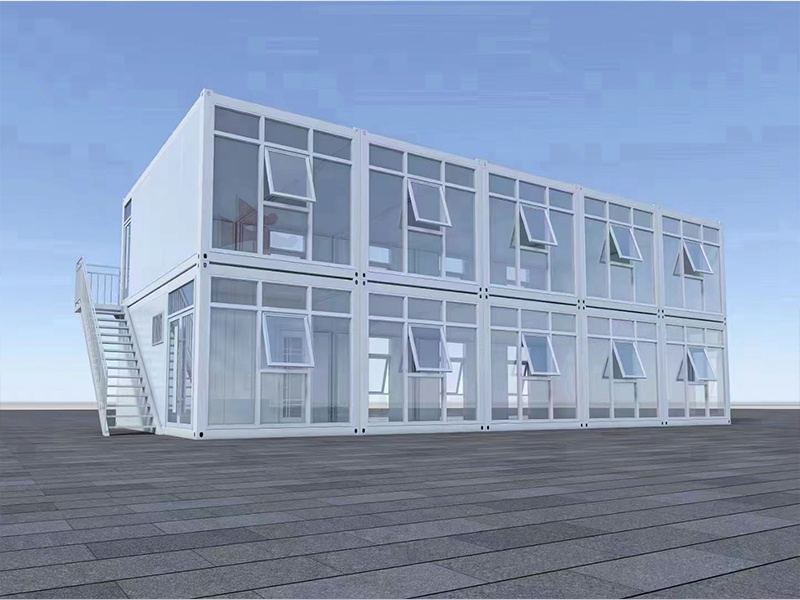
Single container units are perfect for individuals or couples seeking a minimalistic lifestyle. These compact living spaces can be designed with an open floor plan, incorporating essential amenities like a kitchen, bathroom, and sleeping area. Large windows can enhance natural light, making the space feel more inviting.
3.2. Multi-Container Configurations
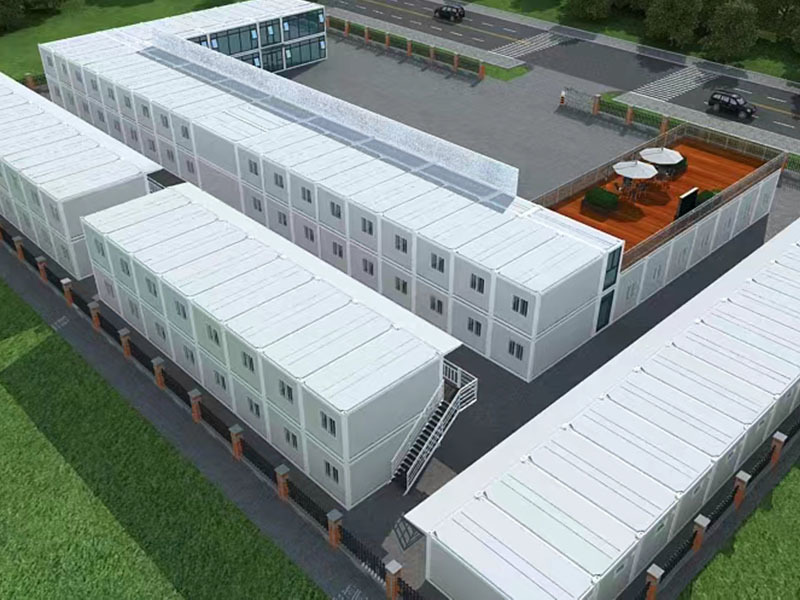
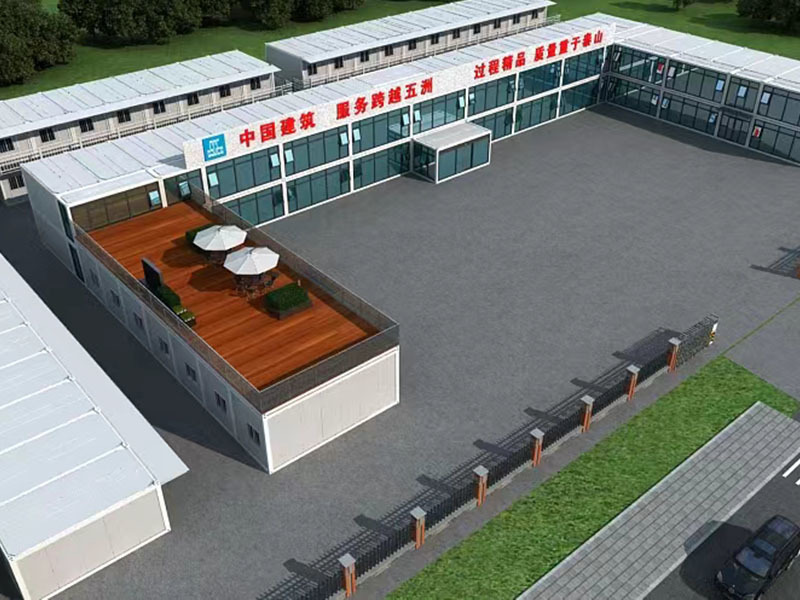
For larger families or groups, multi-container configurations can be an ideal choice. By combining multiple containers, we can create spacious, multi-level living environments that cater to various needs. This design approach allows for more rooms, larger communal areas, and the possibility of unique layouts that encourage social interaction.
3.3. Shipping Container Villas
Shipping container villas take luxury accommodation to a new level. These designs incorporate high-end finishes, spacious interiors, and outdoor living areas. By strategically placing containers, we can create stunning villas that blend seamlessly with their natural surroundings. Features such as infinity pools, rooftop gardens, and expansive decks can elevate the living experience.
3.4. Eco-Friendly Container Homes
Eco-friendly container homes focus on sustainability and energy efficiency. Utilizing solar panels, rainwater harvesting systems, and sustainable materials, these homes minimize their ecological footprint. Incorporating green roofs and vertical gardens can further enhance the home's appeal while promoting biodiversity.
3.5. Luxury Shipping Container Accommodations
Luxury shipping container accommodations cater to travelers seeking unique experiences. These high-end rentals can be designed with indulgent features such as hot tubs, gourmet kitchens, and designer furnishings. Locations near beaches, mountains, or urban centers can attract guests looking for both adventure and comfort.
4. Challenges and Considerations in Shipping Container Design
While shipping containers offer numerous benefits, there are challenges to consider when embarking on a container accommodation project.
4.1. Insulation and Temperature Control
Shipping containers are made of metal, which can lead to extreme temperatures inside. Proper insulation is crucial to ensure a comfortable living environment. Homeowners should consider options such as spray foam insulation or insulated panels to maintain comfortable indoor temperatures.
4.2. Structural Modifications
Modifying shipping containers can be complicated. Cutting windows, doors, or openings can compromise the container's structural integrity. It’s vital to consult with professionals who understand container engineering to ensure safe modifications.
4.3. Zoning and Building Codes
Local zoning laws and building codes can affect container accommodations. Before starting a project, it’s essential to research regulations to ensure compliance, as different areas have varying rules regarding container homes.
4.4. Accessibility and Utilities
Ensuring easy access to utilities such as water, electricity, and sewage can pose challenges. Proper planning is essential to integrate these utilities effectively into shipping container designs.
5. Construction and Safety Regulations for Container Homes
Building shipping container accommodations requires awareness of safety regulations and construction standards.
5.1. Building Permits
Before construction can begin, securing the necessary permits is vital. This step ensures that the project adheres to local regulations and safety standards.
5.2. Safety Standards
Safety is paramount in container construction. Implementing fire safety measures, structural reinforcements, and proper ventilation systems can help mitigate risks.
6. Interior Design Tips for Container Living
Creating a functional and aesthetically pleasing interior in a shipping container requires thoughtful design choices.
6.1. Open Floor Plans
Maximizing space is essential in container living. Open floor plans can create a sense of spaciousness, and strategically placed furniture can enhance flow and functionality.
6.2. Multi-Functional Furniture
Incorporating multi-functional furniture can optimize limited space. Consider using foldable tables, sofa beds, and built-in storage solutions to make the most of every square inch.
6.3. Natural Light and Ventilation
Ample natural light and ventilation are crucial for comfort. Installing large windows or skylights can facilitate airflow and brighten the interior, creating an inviting atmosphere.
7. Real-World Examples of Shipping Container Accommodations
Numerous successful projects showcase the versatility of shipping containers as accommodation solutions.
7.1. Container Hotels
Several hotels around the world utilize shipping containers to create unique lodging experiences. For example, the "Container Hotel" in Amsterdam features beautifully designed container rooms that attract travelers seeking something different.
7.2. Eco-Resorts
Eco-resorts in locations like Costa Rica use shipping containers to create sustainable lodging options. These resorts often incorporate solar energy, rainwater collection, and natural building materials.
8. Frequently Asked Questions
8.1. How much does it cost to build a shipping container home?
The cost of building a shipping container home varies widely, depending on factors such as location, size, and design choices. On average, building a basic container home can range from $10,000 to $50,000 or more.
8.2. Are shipping container homes safe?
Yes, shipping container homes can be safe when built according to local codes and regulations. Proper modifications and reinforcements can ensure structural integrity and safety.
8.3. Can I finance a shipping container home?
Financing options for shipping container homes may be available through various lenders. However, it’s essential to check with financial institutions about their policies regarding unconventional homes.
8.4. How long do shipping container homes last?
With proper maintenance, shipping container homes can last for decades. Regular upkeep, including rust prevention and insulation maintenance, is vital for longevity.
8.5. Do I need building permits for a shipping container home?
Yes, building permits are typically required for shipping container homes. It’s crucial to investigate local regulations and secure necessary permits before starting your project.
9. Conclusion: The Future of Container Accommodation
The innovative use of shipping containers as accommodation solutions presents an exciting opportunity for sustainable living. As we explore creative designs and navigate the challenges associated with container construction, it’s clear that this trend will continue to grow. Whether for personal use or commercial ventures, shipping containers offer numerous possibilities for transforming spaces into functional, eco-friendly homes. By embracing this unique approach, we can pave the way for a more sustainable and innovative future in the world of accommodation.
Key words:
What Else Might You Learn?



Can't find the service you're looking for? Contact us!
To inquire about our products, please leave your email to us and we will contact you within 24 hours.
Add
Wen 'an County, Langfang City, Hebei Province, China