Welcome to Hebei Luban Metal Structure Co., LTD.



The Versatility of Prefabricated Container Offices: A Modern Solution for Dynamic Workspaces
Release Time:
Aug 14,2024
The Versatility of Prefabricated Container Offices Introduction to Prefabricated Container Offices In the age of rapid change and innovation, businesses are constantly seeking flexible and efficient solutions for their workspace needs. **Prefabricated container offices** have emerged as a versatile alternative to traditional office settings. These structures, made from repurposed shipping contai
The Versatility of Prefabricated Container Offices
Introduction to Prefabricated Container Offices
In the age of rapid change and innovation, businesses are constantly seeking flexible and efficient solutions for their workspace needs. Prefabricated container offices have emerged as a versatile alternative to traditional office settings. These structures, made from repurposed shipping containers, offer a unique blend of functionality, sustainability, and aesthetic appeal. In this article, we will delve into the many advantages of prefabricated container offices, their diverse applications, and why they are becoming increasingly popular in various sectors.
Understanding Prefabricated Container Offices
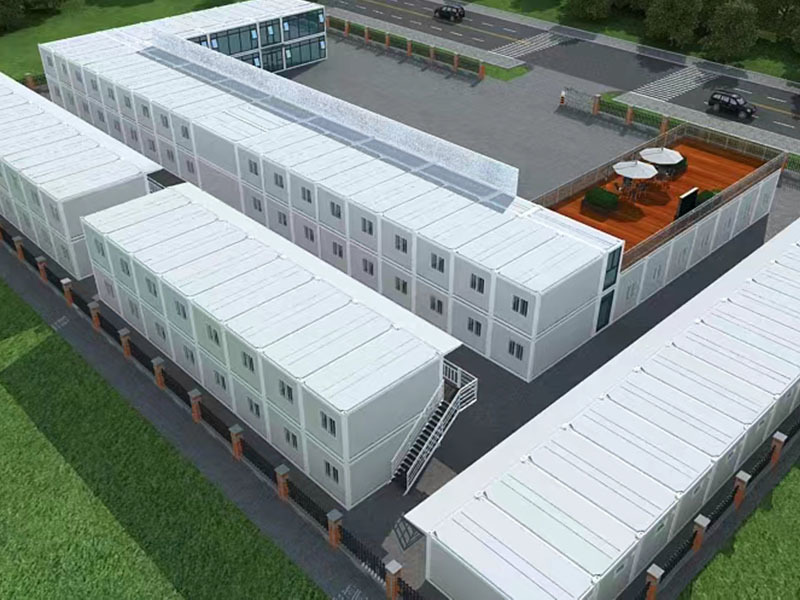
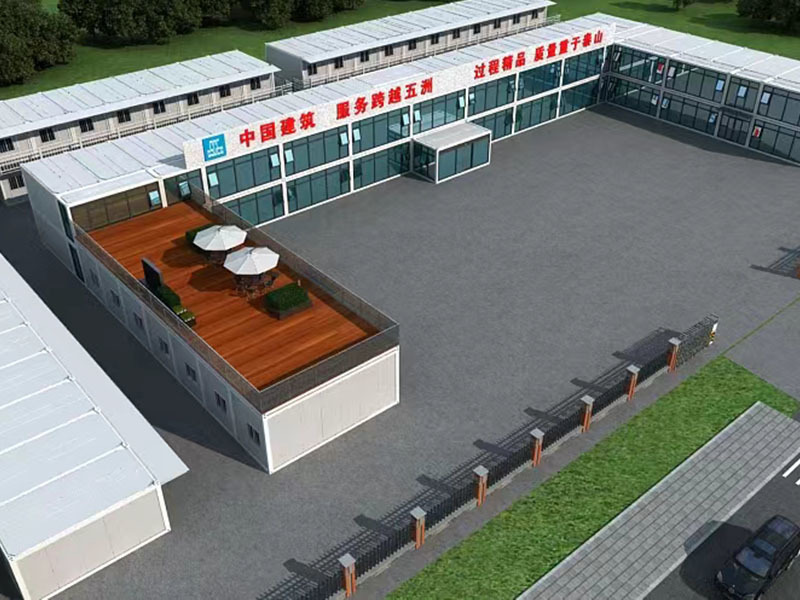
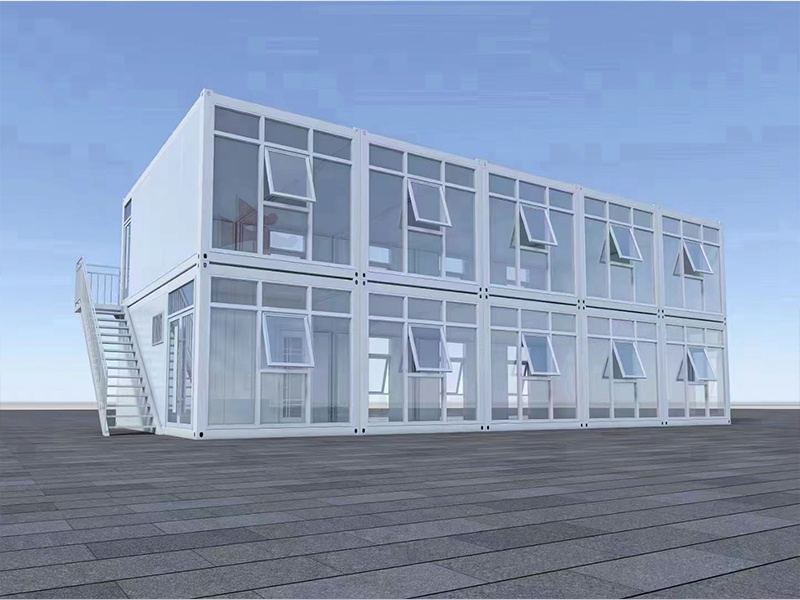
Prefabricated container offices are portable structures constructed using shipping containers that have been modified to meet specific business requirements. Often utilized as temporary or permanent workspaces, these offices can be easily transported and set up in various locations. The primary materials used in their construction—steel containers—are robust and durable, making them suitable for a wide range of environmental conditions.
Benefits of Prefabricated Container Offices
The appeal of prefabricated container offices lies in their numerous benefits. Here are some key advantages that make them an attractive choice for businesses:
1. Cost-Effectiveness
One of the most significant advantages of container offices is their cost-effectiveness. Traditional office construction can be prohibitively expensive, requiring substantial investment in materials, labor, and time. In contrast, container offices can be built and deployed at a fraction of the cost, making them an appealing option for startups and established businesses alike.
2. Quick Assembly and Mobility
Container offices can be assembled rapidly, typically requiring only a few days to set up. Additionally, their modular design allows for easy relocation as business needs change. This flexibility is especially valuable for companies involved in project-based work or those that operate in multiple locations.
3. Sustainability and Eco-Friendliness
As environmental concerns grow, so does the interest in sustainable building practices. Repurposing shipping containers helps reduce waste by giving these materials a new lease on life. Furthermore, container offices can be equipped with energy-efficient systems, making them an eco-friendly alternative to conventional buildings.
4. Customizability
Prefabricated container offices are highly customizable, allowing businesses to tailor the space to their specific needs. From adding windows and doors to incorporating insulation and HVAC systems, the possibilities for customization are virtually limitless. This adaptability makes them suitable for a variety of sectors, from education to healthcare.
5. Enhanced Security
Container offices are inherently secure due to their sturdy construction. The steel frame offers a high level of protection against theft and vandalism, making them an ideal solution for businesses that require a secure workspace.
Applications of Prefabricated Container Offices
The versatility of prefabricated container offices means they can be employed in various industries and settings. Here are some notable applications:
1. Construction Sites
Construction companies often utilize container offices as on-site project management hubs. These portable offices provide a controlled environment for meetings, planning, and coordination, all while remaining close to the action.
2. Educational Institutions
Schools and universities are increasingly turning to container offices to address space shortages. These structures can serve as temporary classrooms, administrative offices, or even recreational areas, allowing institutions to adapt to growing student populations without significant investment.
3. Healthcare Facilities
Healthcare providers have found innovative uses for container offices, particularly in remote areas. These structures can house medical clinics, vaccination centers, or emergency response units. Their mobility and ease of setup make them ideal for addressing urgent healthcare needs.
4. Startups and Small Businesses
Startups often face budget constraints, making container offices an attractive option for establishing a functional workspace without breaking the bank. These offices can be tailored to meet the specific needs of emerging businesses, fostering creativity and collaboration.
5. Disaster Relief Operations
In the aftermath of disasters, container offices can be rapidly deployed to provide temporary housing, medical facilities, or administrative offices for relief organizations. Their resilience and mobility make them a practical choice in emergency situations.
Design Considerations for Prefabricated Container Offices
When planning the construction of a prefabricated container office, several design considerations come into play. Addressing these factors can ensure a functional and comfortable workspace.
1. Layout and Space Optimization
Maximizing the available space is crucial in container offices. Thoughtful layout planning can enhance workflow and productivity. Open layouts may promote collaboration, while designated areas for private meetings can help balance the need for teamwork and confidentiality.
2. Insulation and Climate Control
Proper insulation is essential for maintaining a comfortable temperature inside the container office. Depending on the climate, integrating heating and cooling systems can improve employee comfort and productivity.
3. Aesthetic Appeal
While functionality is paramount, the aesthetics of a container office should not be overlooked. Stylish design elements, such as modern finishes, vibrant colors, and natural light, can create an inviting environment that boosts morale.
4. Accessibility and Compliance
Ensuring that the office is accessible to all employees is essential. Incorporating ramps, wide doorways, and compliant restroom facilities can make the space usable for everyone, in accordance with the Americans with Disabilities Act (ADA) standards.
Challenges of Prefabricated Container Offices
While prefabricated container offices offer numerous advantages, they are not without challenges. Understanding these potential drawbacks can help businesses make informed decisions.
1. Zoning and Permitting Issues
Before setting up a container office, businesses must navigate local zoning laws and obtain the necessary permits. Regulations regarding the placement and use of container structures can vary significantly by location, potentially complicating the installation process.
2. Limited Space
Although container offices can be customized, their inherent size limitations can pose challenges for larger teams or complex operations. Businesses with significant space needs may need to consider multiple units or hybrid solutions to accommodate their requirements.
3. Infrastructure Considerations
Container offices require access to utilities such as water, electricity, and sewage systems. Ensuring that these services are available at the chosen location can present logistical challenges, particularly in remote areas.
Future Trends in Prefabricated Container Offices
The future of prefabricated container offices looks promising, with trends indicating further growth and innovation in this sector.
1. Integration of Smart Technology
As technology advances, incorporating smart features into container offices will become increasingly common. From automated lighting and temperature control to high-speed internet and security systems, these enhancements can significantly improve the functionality of container spaces.
2. Sustainable Practices
With rising awareness of environmental issues, the demand for sustainable building practices will continue to grow. Prefabricated container offices can incorporate renewable energy systems, such as solar panels, and utilize eco-friendly materials and design practices.
3. Custom Modular Solutions
The trend toward customization will likely expand, with manufacturers offering more modular options tailored to specific industries. These solutions will cater to diverse business needs, enhancing the appeal of container offices across various sectors.
Frequently Asked Questions (FAQs)
1. What is a prefabricated container office?
A prefabricated container office is a workspace constructed from repurposed shipping containers, designed for flexibility, mobility, and cost-effectiveness.
2. How long does it take to set up a prefabricated container office?
Typically, container offices can be assembled and ready for use within a matter of days, depending on the complexity of the modifications.
3. Are container offices suitable for all climates?
Yes, with proper insulation and climate control systems, container offices can be adapted to function effectively in various climatic conditions.
4. Can I customize my prefabricated container office?
Absolutely! Container offices can be tailored to meet specific business needs, including layout, size, and design features.
5. What are the zoning requirements for container offices?
Zoning requirements vary by location. It is essential to check local regulations and obtain the necessary permits before setting up a container office.
Conclusion
In summary, prefabricated container offices offer an innovative and flexible solution to modern workspace challenges. Their numerous benefits—including cost-effectiveness, quick assembly, and sustainability—make them an increasingly popular choice across various sectors. As businesses continue to evolve, the adoption of container offices is likely to grow, driven by the need for adaptable and functional workspaces. By embracing this versatile building solution, companies can position themselves for success in today’s dynamic environment.
What Else Might You Learn?



Can't find the service you're looking for? Contact us!
To inquire about our products, please leave your email to us and we will contact you within 24 hours.
Add
Wen 'an County, Langfang City, Hebei Province, China