Welcome to Hebei Luban Metal Structure Co., LTD.



Transforming Shipping Containers into Modular Homes: A Sustainable Solution
Release Time:
Aug 17,2024
In recent years, modular homes constructed from shipping containers have garnered significant attention as an eco-friendly and innovative housing option. These homes, often referred to as container homes, utilize repurposed shipping containers as a primary building material, thereby promoting sustainability and cost efficiency. The trend reflects a growing interest in alternative housing methods t
One of the most notable advantages of modular homes from shipping containers is their sustainability. By recycling containers that would otherwise contribute to landfill waste, these homes represent a practical solution for reducing the carbon footprint associated with traditional home construction. Shipping containers are designed to withstand harsh conditions at sea, making them incredibly durable and suitable for various climates. This resilience translates into long-lasting homes that require minimal maintenance.
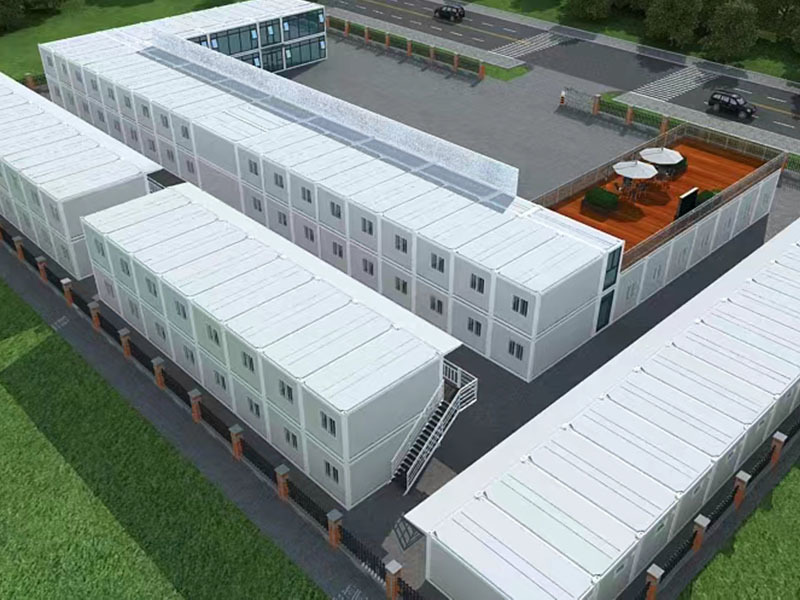
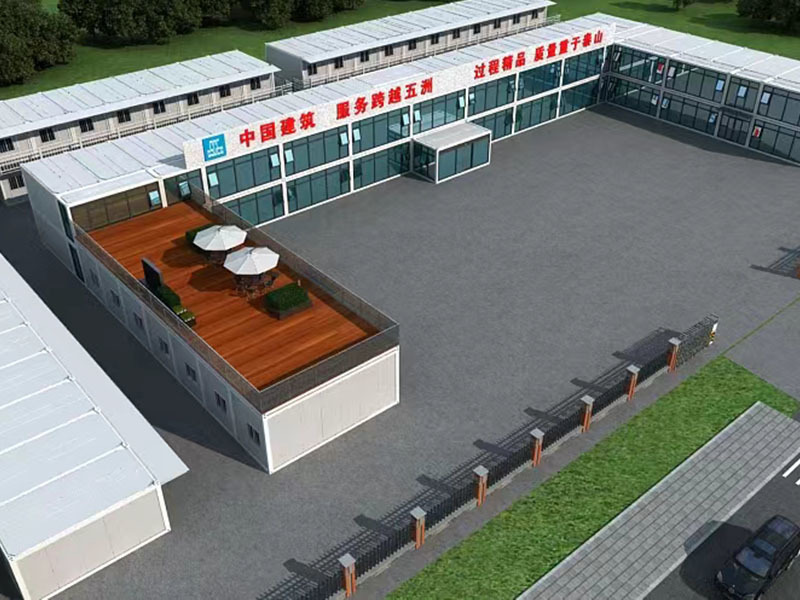
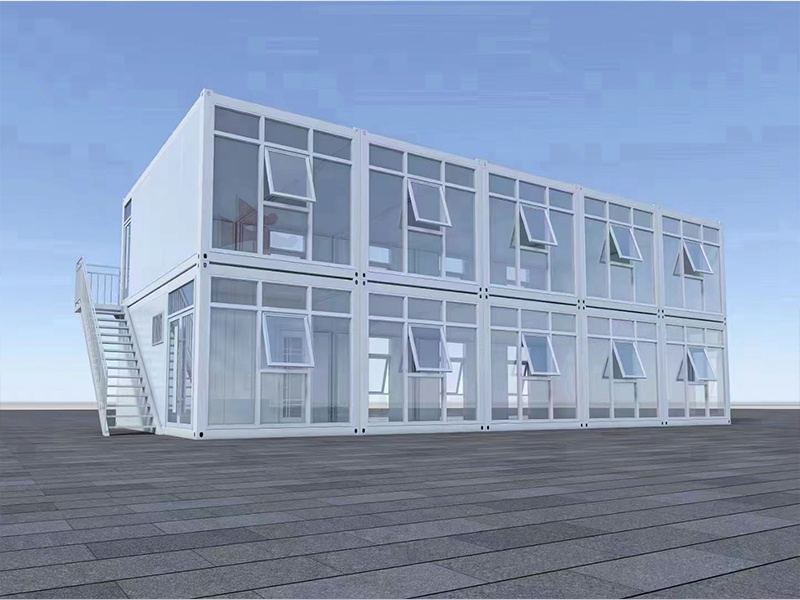
Design flexibility is another key feature of modular homes from shipping containers. These structures can be combined in various configurations, allowing for creative and unique designs tailored to individual preferences and needs. Whether stacked to create multi-story living spaces or arranged side by side for expansive layouts, the modular nature of container homes provides homeowners with the freedom to envision their ideal living environment. Additionally, many architects and designers have embraced this trend, incorporating modern aesthetics and functionality into container home designs.
Cost-effectiveness is also an appealing aspect of modular homes from shipping containers. Building with repurposed materials can significantly reduce overall construction costs compared to traditional building methods. Furthermore, the speed of construction is another advantage; container homes can often be completed in a fraction of the time required for conventional homes. This efficiency not only saves money but also enables faster occupancy, addressing urgent housing needs in various communities.
Moreover, the financial benefits extend beyond initial construction. Container homes typically require less energy for heating and cooling due to their compact nature and the potential for energy-efficient designs. Homeowners can also implement additional sustainable practices, such as solar panels and rainwater harvesting systems, to further reduce utility costs and promote self-sufficiency.
In summary, modular homes from shipping containers present an innovative and sustainable approach to modern housing. Their myriad benefits, including environmental responsibility, design versatility, and cost efficiency, make them an increasingly popular choice for those looking to build a unique and eco-friendly home. Whether you are an architect, builder, or prospective homeowner, exploring the possibilities of container homes could lead to exciting new opportunities in the realm of construction and design.
Key words:
What Else Might You Learn?



Can't find the service you're looking for? Contact us!
To inquire about our products, please leave your email to us and we will contact you within 24 hours.
Add
Wen 'an County, Langfang City, Hebei Province, China