Welcome to Hebei Luban Metal Structure Co., LTD.



Exploring the Allure of Shipping Container Cottages: A Sustainable Housing Trend
Release Time:
Aug 23,2024
Shipping container cottages represent a burgeoning trend in the construction industry, combining sustainability with modern design aesthetics. These structures are not only environmentally friendly but also offer a unique living experience that appeals to a diverse range of individuals. The use of shipping containers as a building material capitalizes on their inherent strength and durability, mak
One of the primary advantages of shipping container cottages is their sustainability. By repurposing used shipping containers, builders can significantly reduce waste, contributing to a more eco-friendly approach to construction. The modular nature of these containers allows for flexibility in design, enabling architects and builders to create customized living spaces that suit individual preferences and needs. This adaptability makes shipping container cottages an attractive option for both residential and vacation homes.
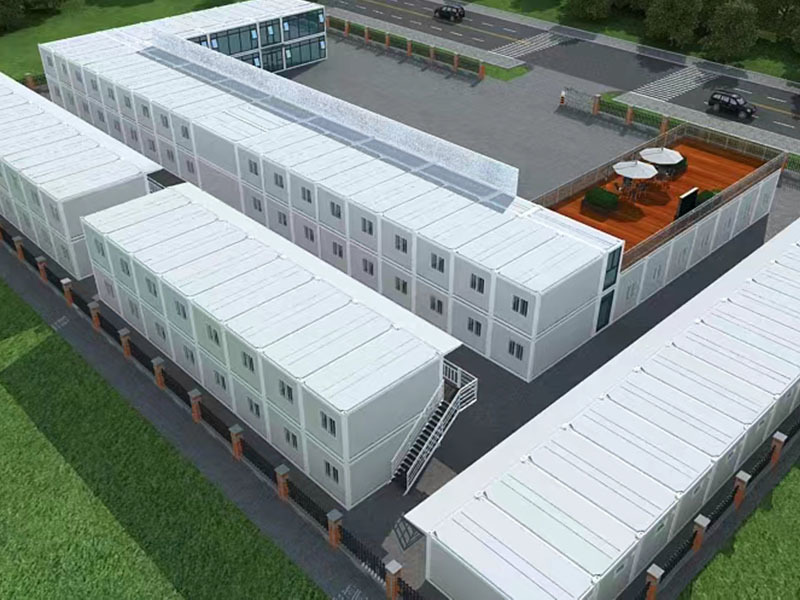
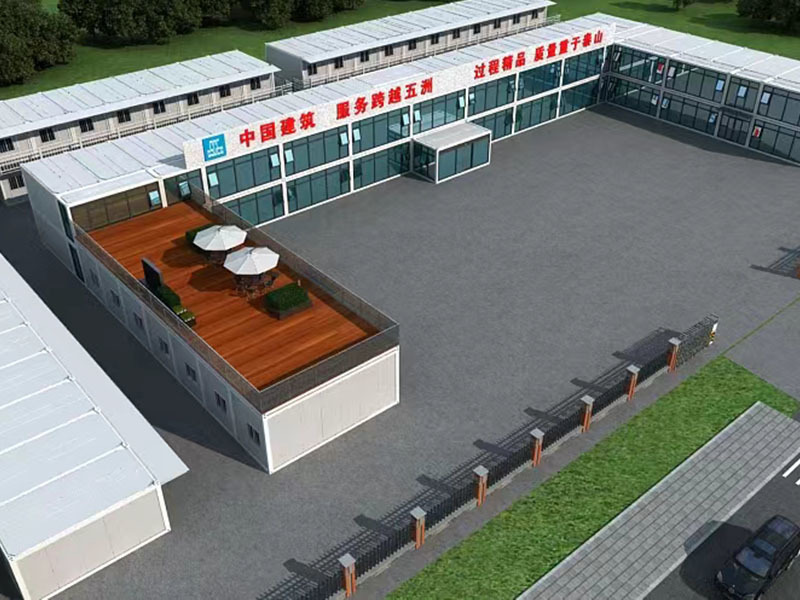
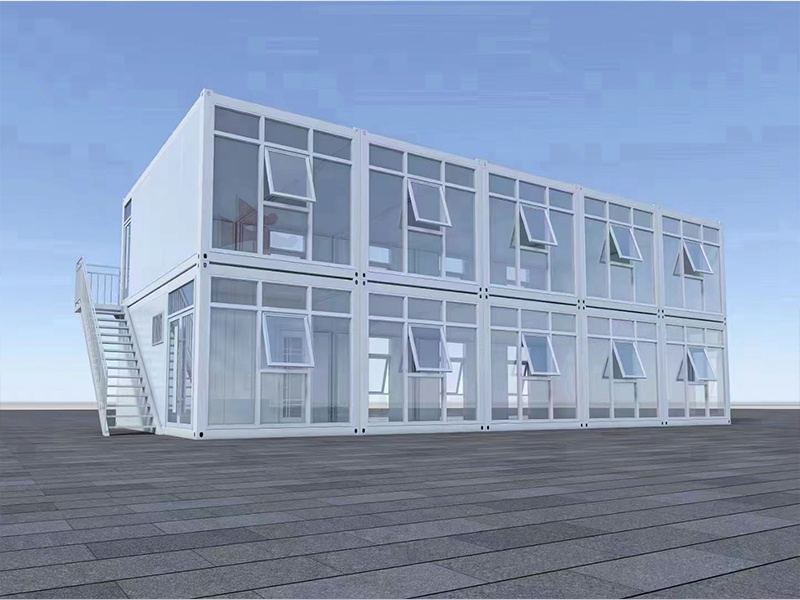
In terms of design, shipping container cottages can be remarkably versatile. They can be arranged in myriad configurations to create multi-level homes or connected into larger complexes. The exterior can be treated with various finishes, and large windows can be added to maximize natural light and enhance the aesthetic appeal. Furthermore, interior layouts can be optimized for comfort and functionality, with open floor plans that promote a sense of spaciousness.
Another significant aspect of shipping container cottages is their cost-effectiveness. While prices can vary based on location, design complexity, and additional custom features, the use of repurposed materials often leads to lower overall construction costs compared to traditional building methods. This affordability makes shipping container homes an appealing option for first-time homeowners and those seeking to downsize or simplify their living situation.
However, there are considerations to keep in mind when pursuing a shipping container cottage. Proper insulation and ventilation are crucial to ensure comfort and energy efficiency, as metal containers can be prone to temperature fluctuations. Additionally, local building codes and zoning regulations must be carefully reviewed to ensure compliance, as some areas may have restrictions on non-traditional housing structures.
Overall, shipping container cottages offer a fascinating glimpse into the future of sustainable living. With their blend of durability, design flexibility, and eco-friendliness, they provide a viable alternative to conventional housing options. For industry professionals exploring innovative building materials and methods, shipping container cottages present an exciting opportunity to engage with a growing market and contribute to a more sustainable future. By understanding the benefits and challenges associated with this trend, builders and architects can better serve their clients and advance the conversation around sustainable housing solutions.
Key words:
What Else Might You Learn?



Can't find the service you're looking for? Contact us!
To inquire about our products, please leave your email to us and we will contact you within 24 hours.
Add
Wen 'an County, Langfang City, Hebei Province, China