Welcome to Hebei Luban Metal Structure Co., LTD.



Transforming Spaces: The Rise of Modular Container Homes
Release Time:
Aug 29,2024
In recent years, modular container homes have emerged as a revolutionary approach to housing and construction. These homes, constructed from shipping containers, offer a variety of benefits that appeal to both homeowners and builders alike. One of the most significant advantages is the sustainability factor. By repurposing old shipping containers, builders can reduce waste and minimize the environ
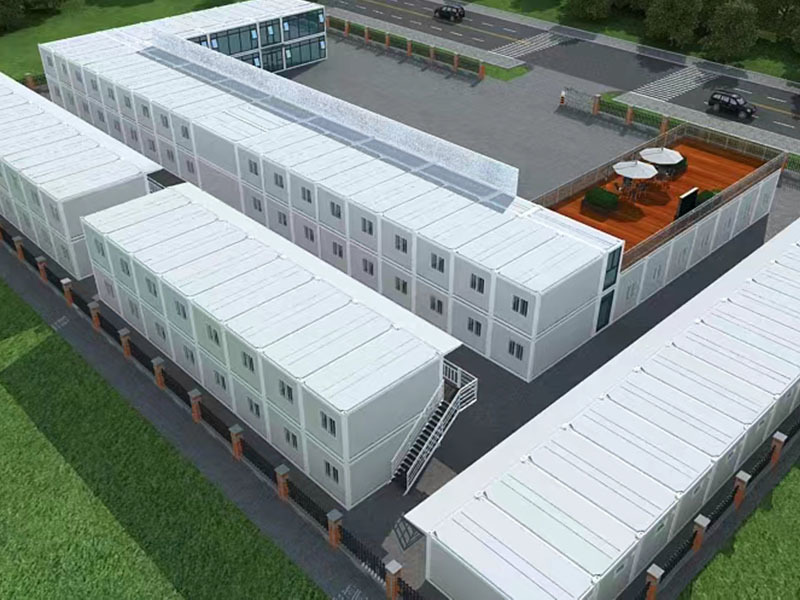
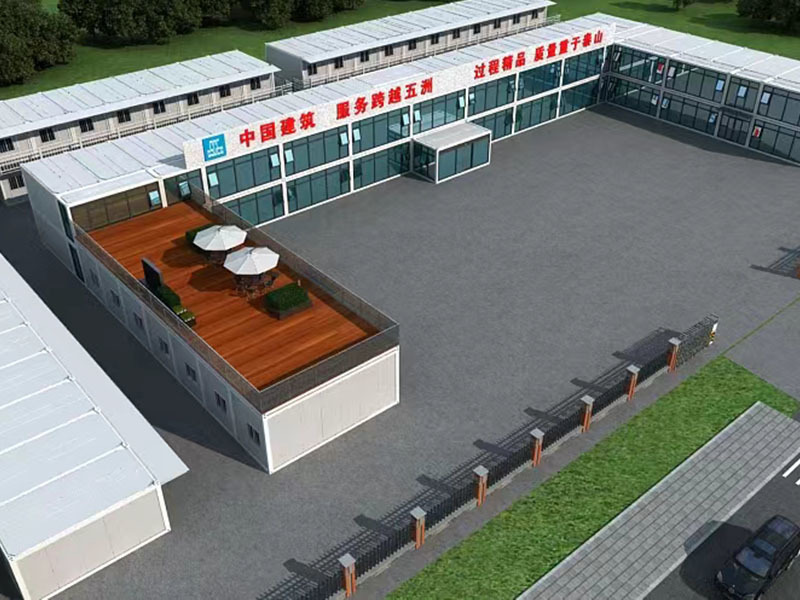
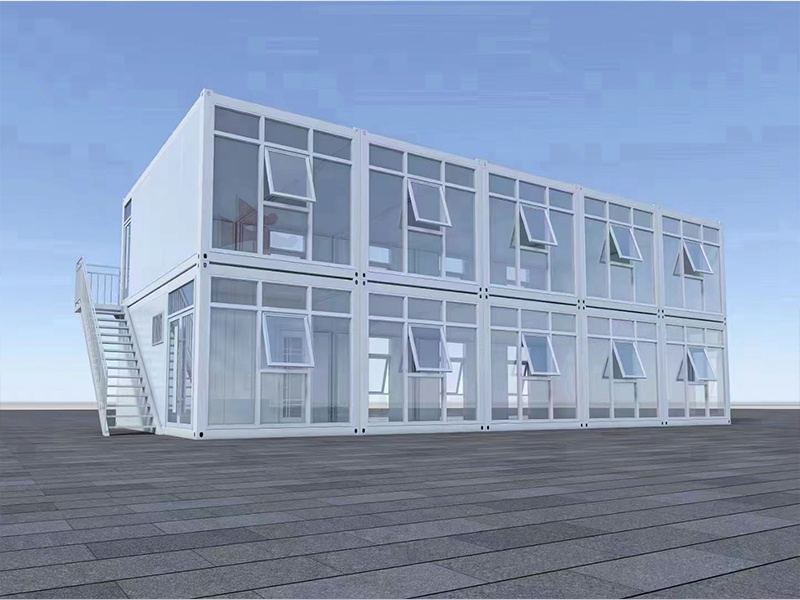
Modular container homes also provide exceptional versatility in design and layout. The standard dimensions of shipping containers allow for easy stacking and modular configuration, enabling creative architectural solutions that maximize space and functionality. Homeowners can customize their container homes to meet their specific needs, whether they seek a compact living space or a multi-story dwelling. Additionally, these structures can be easily expanded or modified, providing long-term flexibility for occupants.
Another noteworthy aspect of modular container homes is their cost-effectiveness. Compared to traditional construction methods, building with containers can often result in significant savings on materials and labor. This affordability makes container homes an attractive option for first-time buyers, young families, or those seeking to downsize without sacrificing quality or aesthetics.
Furthermore, the quick assembly time associated with these types of homes is a game changer in the building industry. Modular container homes can be constructed in a fraction of the time it takes to build a conventional house, allowing owners to move in sooner. This speed is particularly beneficial in areas facing housing shortages or emergency housing needs, where rapid deployment is essential.
In terms of durability, shipping containers are engineered to withstand harsh conditions at sea, making them incredibly robust and resilient structures. They are resistant to pests, mold, and extreme weather, ensuring a long-lasting investment for homeowners. Additionally, container homes can be insulated and retrofitted with modern amenities, providing comfort and convenience akin to traditional homes.
As urban areas continue to grow and housing demands increase, modular container homes present a viable solution to modern living challenges. Their eco-friendliness, design flexibility, cost efficiency, and durability position them as a forward-thinking choice in the real estate market.
In conclusion, modular container homes represent a paradigm shift in construction and architecture, offering practical benefits while addressing pressing environmental concerns. As this trend gains traction, more individuals and families are discovering the potential of container living to create stylish, sustainable homes tailored to their lifestyles.
Key words:
What Else Might You Learn?



Can't find the service you're looking for? Contact us!
To inquire about our products, please leave your email to us and we will contact you within 24 hours.
Add
Wen 'an County, Langfang City, Hebei Province, China