Welcome to Hebei Luban Metal Structure Co., LTD.



From Shipping Containers to Dream Homes: The Evolution of Modified Container Living
Release Time:
Aug 30,2024
From Shipping Containers to Dream Homes: The Evolution of Modified Container Living Table of Contents Introduction to Modified Container Living The Historical Context of Shipping Containers Design Possibilities: Transcending Traditional Architecture Benefits of Living in Modified Shipping Containers Challenges in Container Home Construction Sustainability in Container Living Inspiri
From Shipping Containers to Dream Homes: The Evolution of Modified Container Living
Table of Contents
- Introduction to Modified Container Living
- The Historical Context of Shipping Containers
- Design Possibilities: Transcending Traditional Architecture
- Benefits of Living in Modified Shipping Containers
- Challenges in Container Home Construction
- Sustainability in Container Living
- Inspiring Case Studies of Container Homes
- The Future of Modified Container Living
- FAQs About Container Living
- Conclusion
Introduction to Modified Container Living
The evolution of **modified container living** represents a significant shift in how we perceive housing and architecture. Once seen as mere shipping containers, these robust structures have now become the foundation for innovative and environmentally friendly homes. As we delve into the world of container living, we will explore its history, design possibilities, benefits, challenges, and the future of this groundbreaking trend.
The Historical Context of Shipping Containers
Shipping containers were first introduced in the 1950s as a solution to streamline global trade. The concept of using a standardized cargo unit revolutionized the shipping industry, making it more efficient and cost-effective. However, it wasn't until the early 2000s that architects and designers began recognizing the potential for repurposing these containers into livable spaces. This marked the beginning of a new trend that combined sustainability with modern aesthetics.
The Rise of Container Homes
The rise of **container homes** can be attributed to several factors, including the increasing demand for affordable housing, the desire for sustainable living solutions, and the growing interest in minimalism. As urban populations swell and housing prices soar, more individuals and families are turning to modified shipping containers as a viable alternative.
Design Possibilities: Transcending Traditional Architecture
One of the most exciting aspects of modified container living is the limitless design possibilities. Architects and designers have pushed the boundaries of conventional architecture to create stunning and functional living spaces using shipping containers.
Innovative Architectural Designs
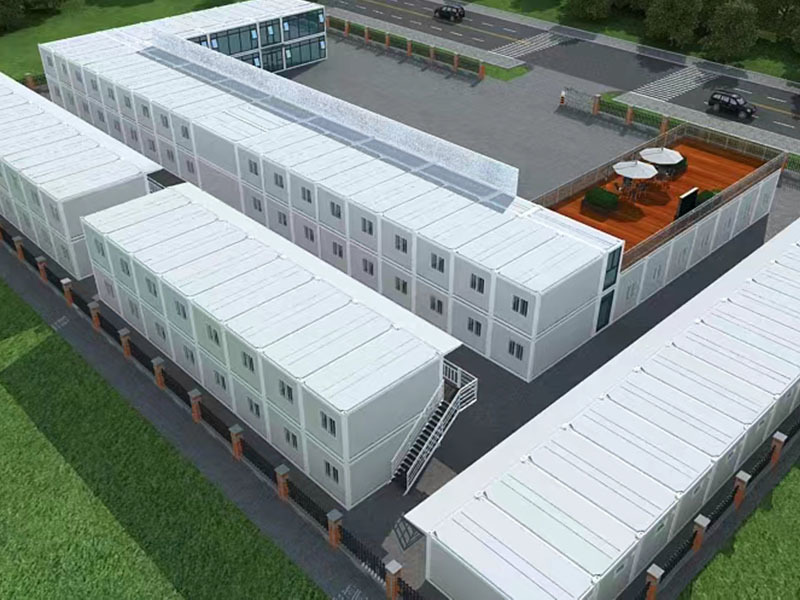
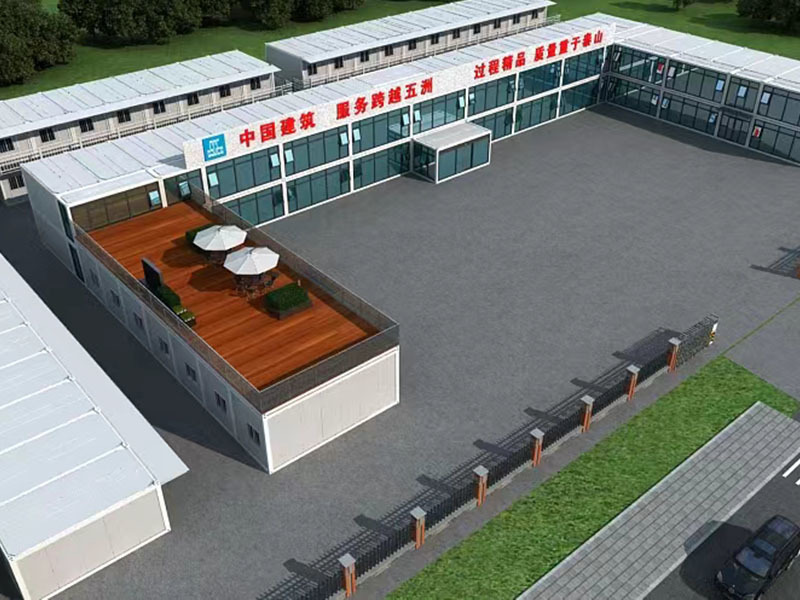
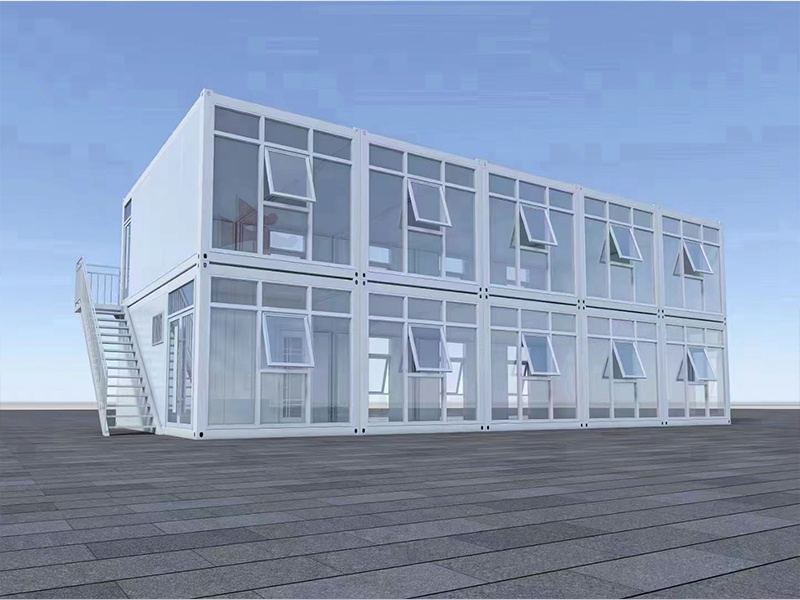
From single-unit homes to multi-container complexes, the versatility of shipping containers allows for a range of architectural styles. Designers can easily modify the exterior and interior, incorporating features such as large windows, green roofs, and open floor plans. The use of multiple containers can create unique layouts, fostering a sense of spaciousness in otherwise compact environments.
Customization and Personalization
**Customization** is a hallmark of modified container living. Homeowners can personalize their spaces according to their tastes and needs. Whether it's adding a deck, installing solar panels, or creating a garden, the possibilities are virtually endless. This level of personalization is a significant draw for many individuals seeking a unique living experience.
Benefits of Living in Modified Shipping Containers
Choosing to live in a modified shipping container comes with numerous benefits that appeal to a wide range of people.
Cost-Effectiveness
One of the most compelling advantages of container living is its **cost-effectiveness**. Building a home from shipping containers often requires considerably less investment than traditional construction methods. Additionally, reduced construction time translates to savings, making it an attractive option for budget-conscious buyers.
Durability and Strength
Shipping containers are engineered to withstand harsh environmental conditions, making them incredibly durable. Their robust steel structure ensures that they can endure extreme weather, pests, and other potential hazards. This inherent strength means container homes can provide long-term security and resilience.
Mobility and Flexibility
Container homes offer unparalleled **mobility and flexibility**. Homeowners can relocate their homes with relative ease, making them ideal for those who desire a nomadic lifestyle or want to move to different locations without the hassle of traditional real estate transactions.
Challenges in Container Home Construction
While the benefits of modified container living are substantial, there are also challenges that prospective homeowners must consider.
Regulatory Hurdles
Navigating local building codes and regulations can be a complex process when constructing a container home. Some areas may have zoning laws that restrict the use of shipping containers for residential purposes. Therefore, it's essential to research local regulations before embarking on a container home project.
Insulation and Ventilation
**Insulation and ventilation** are critical factors in creating a comfortable living environment within a shipping container. Because containers are made of steel, they can become hot in the summer and cold in the winter. Homeowners must invest in proper insulation and ventilation systems to ensure year-round comfort.
Limited Space
While innovative designs can maximize space, living in a modified container often means adapting to a smaller living area. This limited space may require homeowners to downsize and prioritize their belongings, which can be a challenge for some.
Sustainability in Container Living
One of the most appealing aspects of modified container living is its potential for sustainability. By repurposing used shipping containers, homeowners can minimize their environmental footprint and contribute to more sustainable living practices.
Recycling and Upcycling
Using shipping containers as homes is a form of **recycling** that helps reduce waste. Instead of allowing these robust structures to sit idle or end up in landfills, they can be transformed into functional living spaces. This upcycling process not only conserves resources but also promotes a more circular economy.
Energy Efficiency
Many modified container homes are designed with energy efficiency in mind. Homeowners can incorporate solar panels, energy-efficient appliances, and rainwater harvesting systems to further enhance the sustainability of their living spaces. This focus on energy efficiency not only reduces utility costs but also lessens the impact on the environment.
Inspiring Case Studies of Container Homes
To illustrate the incredible potential of modified container living, let's explore some inspiring case studies.
The Container House, Mexico
In Mexico, a visionary architect designed a stunning home using multiple shipping containers arranged in a staggered formation. The design maximizes natural light and offers breathtaking views of the surrounding landscape. This project exemplifies how container homes can blend seamlessly with their environment while providing modern amenities.
Container City, England
Container City in London is a remarkable example of a community built entirely from shipping containers. This innovative project offers affordable housing and workspace for artists and entrepreneurs, demonstrating how container living can foster creativity and collaboration.
The Future of Modified Container Living
As the demand for affordable and sustainable housing solutions continues to grow, the future of modified container living looks promising. Architects and designers are likely to explore even more innovative designs and construction techniques, making container homes increasingly accessible to a broader audience.
Integration with Smart Technology
The integration of **smart technology** into container homes can enhance their functionality and appeal. Home automation systems, smart appliances, and energy management solutions can help homeowners optimize their living spaces and improve their overall quality of life.
Community Development
As container homes gain popularity, there is potential for the development of entire communities centered around these structures. These communities could offer unique social interactions and shared resources while promoting sustainable living practices.
FAQs About Container Living
1. What are the average costs of building a container home?
Building a container home can range from $10,000 to over $100,000, depending on size, design, and location. Customization and additional features can significantly affect the total cost.
2. Are container homes safe and durable?
Yes, shipping containers are designed to withstand the rigors of transport and are built from robust steel. With proper modifications and maintenance, they can provide a safe and durable living environment.
3. How do I insure a container home?
Insuring a container home can be similar to insuring a traditional home. It's essential to consult with insurance providers familiar with container structures to ensure adequate coverage.
4. Can I finance a container home?
Yes, financing options for container homes are available through various lenders. However, it's advisable to check with them about the specific requirements and conditions for financing alternative housing structures.
5. How do I maintain a container home?
Regular maintenance of a container home includes inspecting for rust, ensuring proper insulation, and checking the integrity of plumbing and electrical systems. With proper care, container homes can last for decades.
Conclusion
The transformation of shipping containers into dream homes is more than just a trend; it represents a fundamental shift in how we approach housing and sustainability. With their unique design possibilities, cost-effectiveness, and environmental benefits, modified container homes offer an innovative solution to modern housing challenges. As we look to the future, the potential for container living continues to expand, inviting homeowners to embrace a new way of living that is both functional and inspiring.
Key words:
What Else Might You Learn?



Can't find the service you're looking for? Contact us!
To inquire about our products, please leave your email to us and we will contact you within 24 hours.
Add
Wen 'an County, Langfang City, Hebei Province, China