Welcome to Hebei Luban Metal Structure Co., LTD.



Exploring the Benefits and Applications of Prefabricated Modular Container Houses
Release Time:
Aug 31,2024
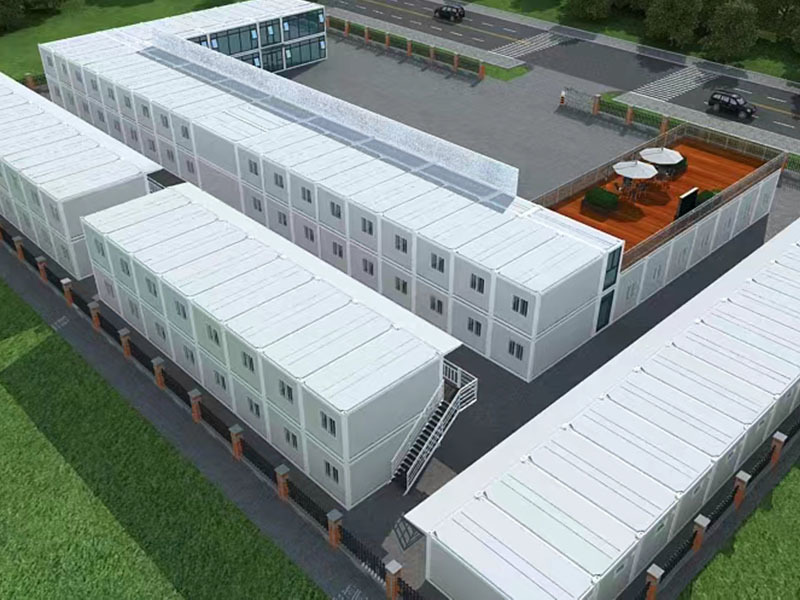
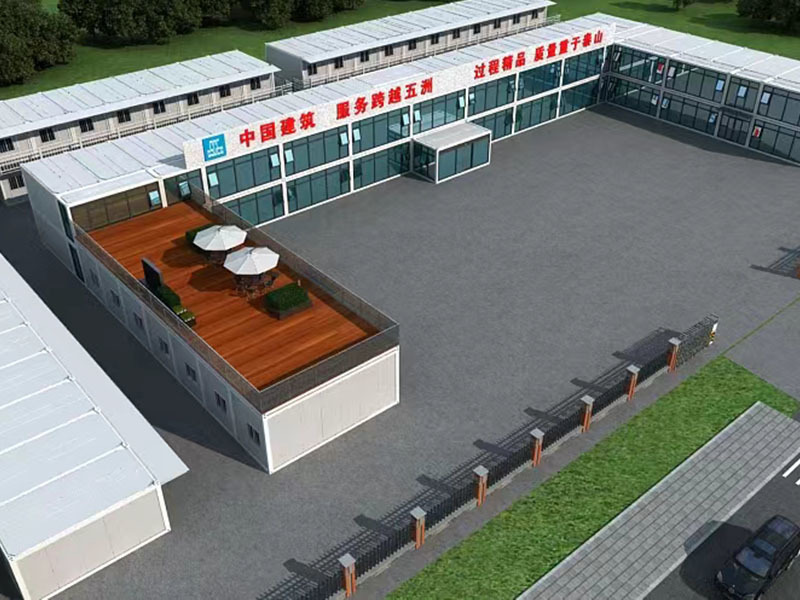
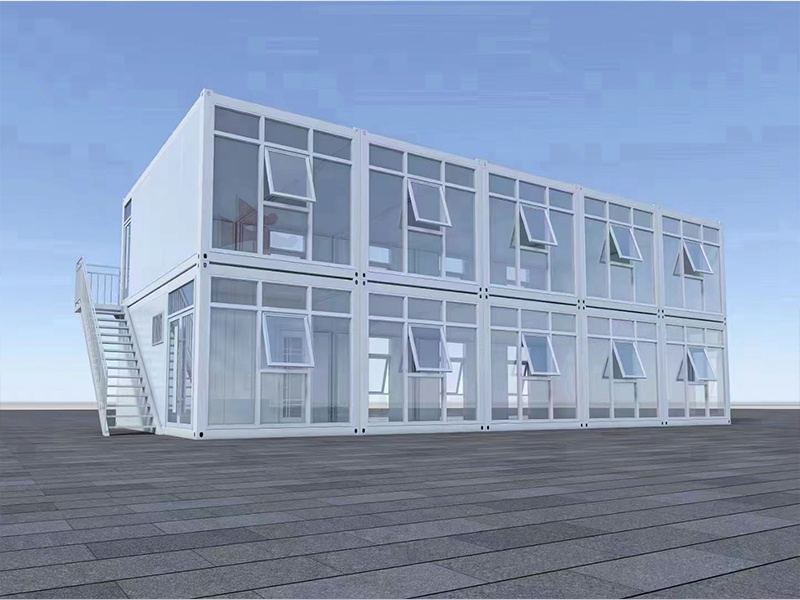
Prefabricated modular container houses are transforming the construction landscape by offering a flexible, sustainable, and cost-effective approach to building design. These structures are created using repurposed shipping containers, which are modified and adapted to serve as livable or functional spaces. Their growing appeal is attributed to several factors that cater to a variety of needs withi
One of the primary advantages of prefabricated modular container houses is their rapid construction time. Traditional building methods can be time-consuming, often resulting in extended project timelines. In contrast, container homes can be assembled quickly, as most components are pre-manufactured off-site. This not only accelerates the building process but also minimizes disruptions on-site, leading to a more efficient construction workflow.
Moreover, these modular homes are incredibly versatile in their applications. They can serve as permanent residences, temporary housing solutions for disaster relief, or even as commercial spaces like offices and retail shops. Their ability to be stacked and combined allows architects and builders to create customized layouts that meet specific project requirements. Furthermore, the design flexibility permits easy alterations and expansions, making them an excellent choice for evolving needs.
Sustainability is another critical factor driving the popularity of prefabricated modular container houses. By repurposing old shipping containers, this construction method helps reduce waste and the environmental impact associated with traditional building materials. The use of eco-friendly insulation, energy-efficient windows, and renewable energy sources can further enhance the sustainability of these homes. For professionals in the building and decoration materials industry, embracing sustainable practices is not just a trend but a necessity for future-proofing their projects.
Cost efficiency also plays a significant role in the appeal of modular container housing. The reduced construction time translates to lower labor costs, while the reuse of existing materials minimizes the need for new resources. For builders and clients alike, this combination of savings without compromising quality makes for an attractive proposition.
In conclusion, prefabricated modular container houses present a revolutionary solution in the building and decoration materials sector. Their rapid assembly, versatility, sustainability, and cost-effectiveness provide numerous advantages for both construction professionals and clients. As the industry continues to evolve, embracing innovative building methods like these will be essential for meeting the demands of modern society and fostering a sustainable future.
Key words:
What Else Might You Learn?



Can't find the service you're looking for? Contact us!
To inquire about our products, please leave your email to us and we will contact you within 24 hours.
Add
Wen 'an County, Langfang City, Hebei Province, China